
Before Memmo my notes were scattered across PDFs. Now a workspace pulls everything into one place — I see exactly what's still left to study.
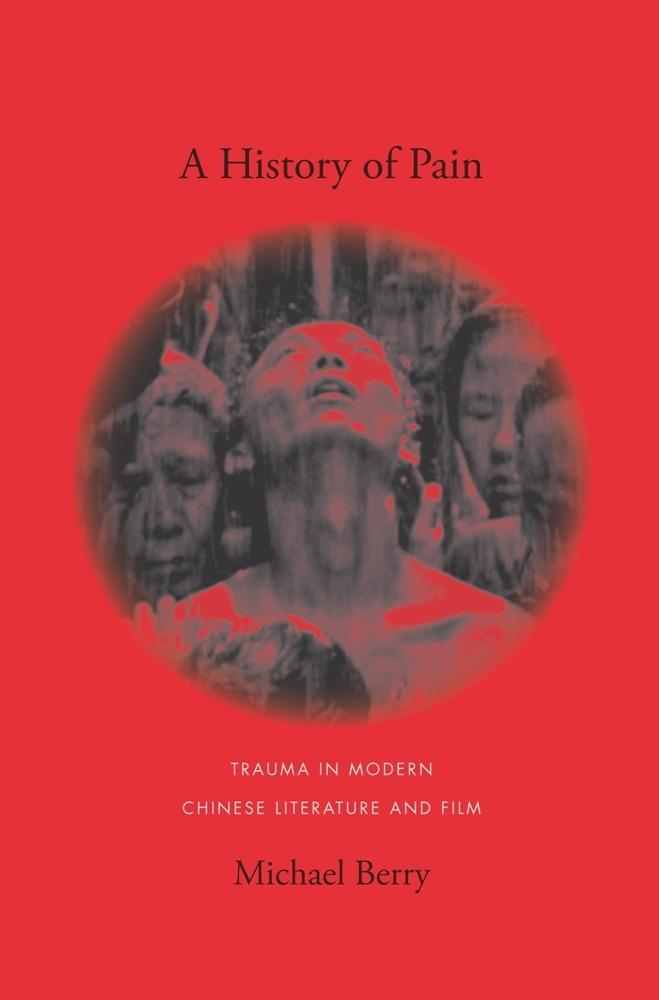
The portrayal of historical atrocity in fiction, film, and popular culture can reveal much about the function of individual memory and the shifting status of national identity. In the context of Chinese culture, films such as Hou Hsiao-hsien's City of Sadness and Lou Ye's Summer Palace and novels such as Ye Zhaoyan's Nanjing 1937: A Love Story and Wang Xiaobo's The Golden Age collectively reimagine past horrors and give rise to new historical narratives.
Michael Berry takes an innovative look at the representation of six specific historical traumas in modern Chinese history: the Musha Incident (1930); the Rape of Nanjing (1937-38); the February 28 Incident (1947); the Cultural Revolution (1966-76); Tiananmen Square (1989); and the Handover of Hong Kong (1997). He identifies two primary modes of restaging historical violence: centripetal trauma, or violence inflicted from the outside that inspires a reexamination of the Chinese nation, and centrifugal trauma, which, originating from within, inspires traumatic narratives that are projected out onto a transnational vision of global dreams and, sometimes, nightmares.
These modes allow Berry to connect portrayals of mass violence to ideas of modernity and the nation. He also illuminates the relationship between historical atrocity on a national scale and the pain experienced by the individual; the function of film and literature as historical testimony; the intersection between politics and art, history and memory; and the particular advantages of modern media, which have found new means of narrating the burden of historical violence.
As Chinese artists began to probe previously taboo aspects of their nation's history in the final decades of the twentieth century, they created texts that prefigured, echoed, or subverted social, political, and cultural trends. A History of Pain acknowledges the far-reaching influence of this art and addresses its profound role in shaping the public imagination and conception-as well as misconception-of modern Chinese history.
Before Memmo my notes were scattered across PDFs. Now a workspace pulls everything into one place — I see exactly what's still left to study.
Memmo's summaries are gold before exams. I don't have to re-read 800 pages two weeks before — just the important parts.
The AI chat has saved me the night before an exam more than once. I just keep asking until I get it — no waiting on a study group to reply.
The quizzes hit exactly what I need to know. Memmo tracks what I get stuck on — so I only practice what's worth it.
Flashcards with spaced repetition are magic. Memmo knows when I'm about to forget something and brings it back.
The AI podcasts are my favorite. I listen on my way to school and get a recap without sitting at a computer.

Handbok i kvalitativa metoder
281 kr

Hållbar utveckling: en introduktion för ingenjörer och andra problemlösare
334 kr

Brymans Samhällsvetenskapliga metoder
390 kr

Projektledning
491 kr

Den orättvisa hälsan: om socioekonomiska skillnader i hälsa och livslängd
326 kr

Vetenskapsteori för nybörjare
196 kr

Organizational Leadership
429 kr

På väg mot läraryrket
172 kr

Det sociala livet i skolan: Socialpsykologiska perspektiv
253 kr

Betygsättningens didaktik
151 kr

Personality
402 kr

Studying Leadership
404 kr

Managing Innovation
477 kr

Introduktion till samhällsvetenskaplig metod
347 kr

The Psychology of Sex and Gender
698 kr

Evidens och kunskap för socialt arbete
207 kr

Introduction to Leadership
605 kr