
Before Memmo my notes were scattered across PDFs. Now a workspace pulls everything into one place — I see exactly what's still left to study.
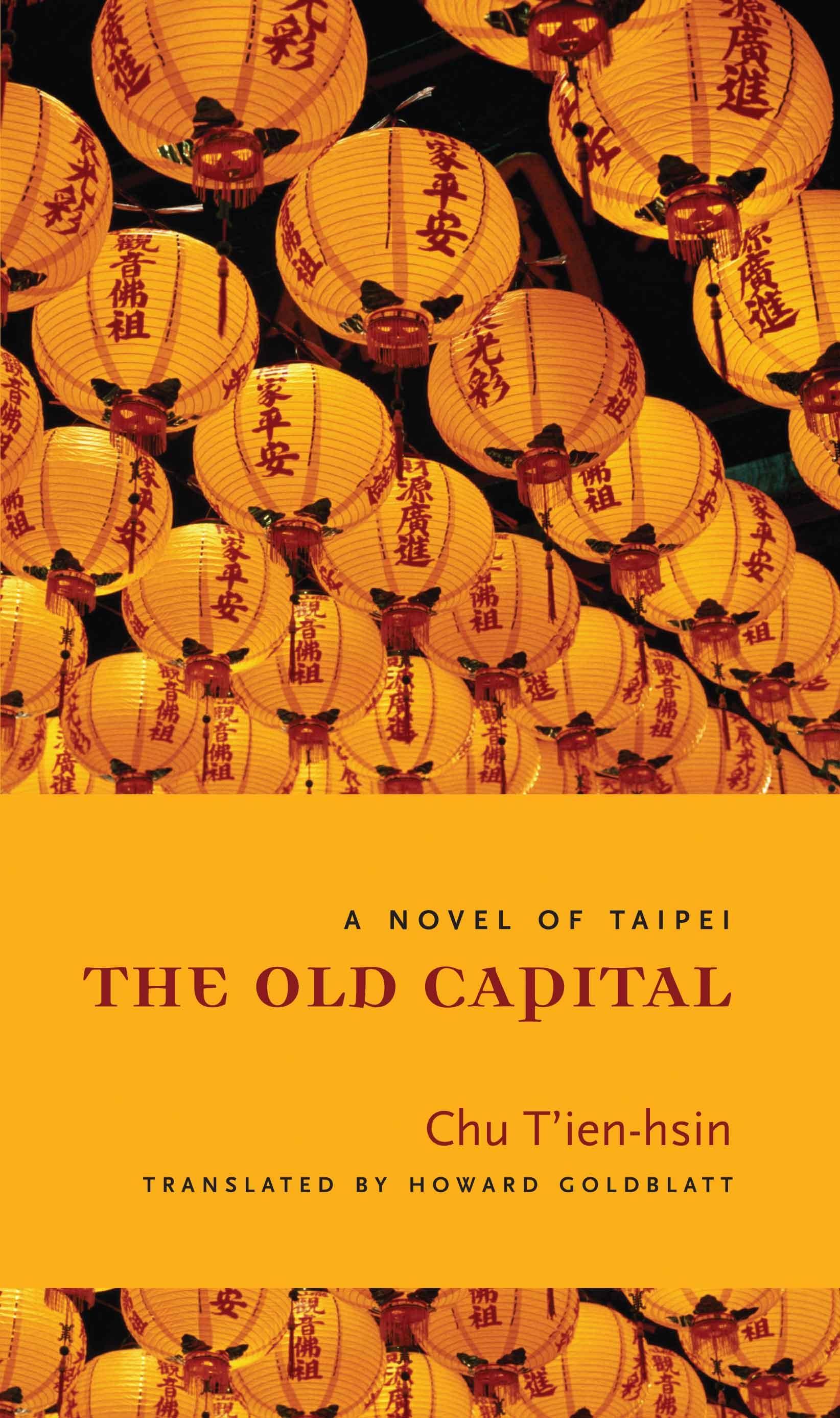
Chu T'ien-hsin's The Old Capital is a brilliant evocation of Taiwan's literature of nostalgia and remembrance. The novel is centered on the question, "Is it possible that none of your memories count?" and explores the reliability of remembrances and the thin line that separates fact from fantasy.
Comprised of four thematically linked stories and a novella, The Old Capital focuses on the cultural and psychological realities of contemporary Taiwan. The stories are narrated by individuals who share an aching nostalgia for a time long past. Strolling through modern Taipei, they return to the lost, imperfect memories called forth by the smells and sensations of their city, and try to reconcile themselves to their rapidly changing world.
The novella is built on the memories and recollections of a woman trying to make sense of herself and her homeland. After a trip to Kyoto to meet with a friend, she returns to Taipei, where, having been mistaken for a Japanese tourist, she revisits the sites of her youth using a Japanese colonial map of the city. Seeing Taipei anew, the narrator confronts the complex nature of her identity, embodied in the contrast between a serene and preserved Kyoto and a thoroughly modernized and chaotic Taipei.
The growing angst of these narrators reflects a deeper anxiety over the legacy of Japan and America in Taiwan. The titles of the stories themselves-"Death in Venice," "Man of La Mancha," "Breakfast at Tiffany's," "Hungarian Water"-reveal the strong currents of influence that run throughout the collection and shape the content and texture of the writing. In his meticulous translation, Howard Goldblatt captures the casual, intimate feel of Chu T'ien-hsin's writing while also maintaining its multiple layers of meaning. An intertextual masterpiece, The Old Capital is a moving and highly sensual meditation on the elasticity of memory and its power to shape personal identity.
Before Memmo my notes were scattered across PDFs. Now a workspace pulls everything into one place — I see exactly what's still left to study.
Memmo's summaries are gold before exams. I don't have to re-read 800 pages two weeks before — just the important parts.
The AI chat has saved me the night before an exam more than once. I just keep asking until I get it — no waiting on a study group to reply.
The quizzes hit exactly what I need to know. Memmo tracks what I get stuck on — so I only practice what's worth it.
Flashcards with spaced repetition are magic. Memmo knows when I'm about to forget something and brings it back.
The AI podcasts are my favorite. I listen on my way to school and get a recap without sitting at a computer.

Handbok i kvalitativa metoder
281 kr

Hållbar utveckling: en introduktion för ingenjörer och andra problemlösare
334 kr

Brymans Samhällsvetenskapliga metoder
390 kr

Projektledning
491 kr

Den orättvisa hälsan: om socioekonomiska skillnader i hälsa och livslängd
326 kr

Organizational Leadership
429 kr

Vetenskapsteori för nybörjare
196 kr

På väg mot läraryrket
172 kr

Det sociala livet i skolan: Socialpsykologiska perspektiv
253 kr

Betygsättningens didaktik
151 kr

Personality
402 kr

Studying Leadership
404 kr

Managing Innovation
477 kr

Introduktion till samhällsvetenskaplig metod
347 kr

The Psychology of Sex and Gender
698 kr

Evidens och kunskap för socialt arbete
207 kr

Introduction to Leadership
605 kr