
Before Memmo my notes were scattered across PDFs. Now a workspace pulls everything into one place — I see exactly what's still left to study.
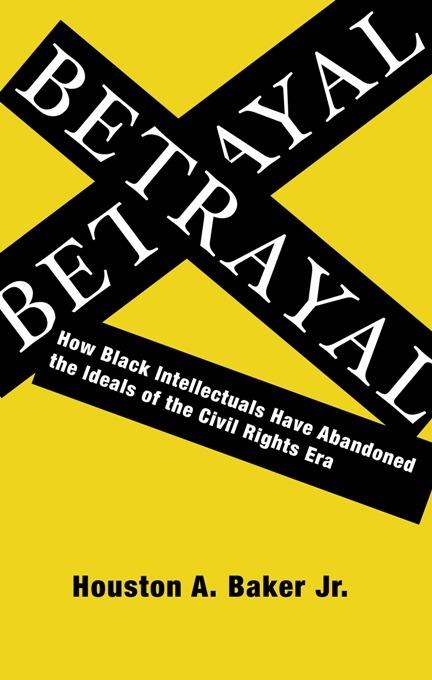
Houston A. Baker Jr. condemns those black intellectuals who, he believes, have turned their backs on the tradition of racial activism in America. These individuals choose personal gain over the interests of the black majority, whether they are espousing neoconservative positions that distort the contours of contemporary social and political dynamics or abandoning race as an important issue in the study of American literature and culture. Most important, they do a disservice to the legacy of W. E. B. Du Bois, Martin Luther King Jr., and others who have fought for black rights.
In the literature, speeches, and academic and public behavior of some black intellectuals in the past quarter century, Baker identifies a "hungry generation" eager for power, respect, and money. Baker critiques his own impoverished childhood in the "Little Africa" section of Louisville, Kentucky, to understand the shaping of this new public figure. He also revisits classical sites of African American literary and historical criticism and critique. Baker devotes chapters to the writing and thought of such black academic superstars as Cornel West, Michael Eric Dyson, and Henry Louis Gates Jr.; Hoover Institution senior fellow Shelby Steele; Yale law professor Stephen Carter; and Manhattan Institute fellow John McWhorter. His provocative investigation into their disingenuous posturing exposes what Baker deems a tragic betrayal of King's legacy.
Baker concludes with a discussion of American myth and the role of the U.S. prison-industrial complex in the "disappearing" of blacks. Baker claims King would have criticized these black intellectuals for not persistently raising their voices against a private prison system that incarcerates so many men and women of color. To remedy this situation, Baker urges black intellectuals to forge both sacred and secular connections with local communities and rededicate themselves to social responsibility. As he sees it, the mission of the black intellectual today is not to do great things but to do specific, racially based work that is in the interest of the black majority.
Before Memmo my notes were scattered across PDFs. Now a workspace pulls everything into one place — I see exactly what's still left to study.
Memmo's summaries are gold before exams. I don't have to re-read 800 pages two weeks before — just the important parts.
The AI chat has saved me the night before an exam more than once. I just keep asking until I get it — no waiting on a study group to reply.
The quizzes hit exactly what I need to know. Memmo tracks what I get stuck on — so I only practice what's worth it.
Flashcards with spaced repetition are magic. Memmo knows when I'm about to forget something and brings it back.
The AI podcasts are my favorite. I listen on my way to school and get a recap without sitting at a computer.

Handbok i kvalitativa metoder
281 kr

Hållbar utveckling: en introduktion för ingenjörer och andra problemlösare
334 kr

Brymans Samhällsvetenskapliga metoder
390 kr

Projektledning
491 kr

Den orättvisa hälsan: om socioekonomiska skillnader i hälsa och livslängd
326 kr

Organizational Leadership
429 kr

Vetenskapsteori för nybörjare
196 kr

På väg mot läraryrket
172 kr

Det sociala livet i skolan: Socialpsykologiska perspektiv
253 kr

Betygsättningens didaktik
151 kr

Personality
402 kr

Studying Leadership
404 kr

Managing Innovation
477 kr

Introduktion till samhällsvetenskaplig metod
347 kr

The Psychology of Sex and Gender
698 kr

Evidens och kunskap för socialt arbete
207 kr

Introduction to Leadership
605 kr