
Before Memmo my notes were scattered across PDFs. Now a workspace pulls everything into one place — I see exactly what's still left to study.
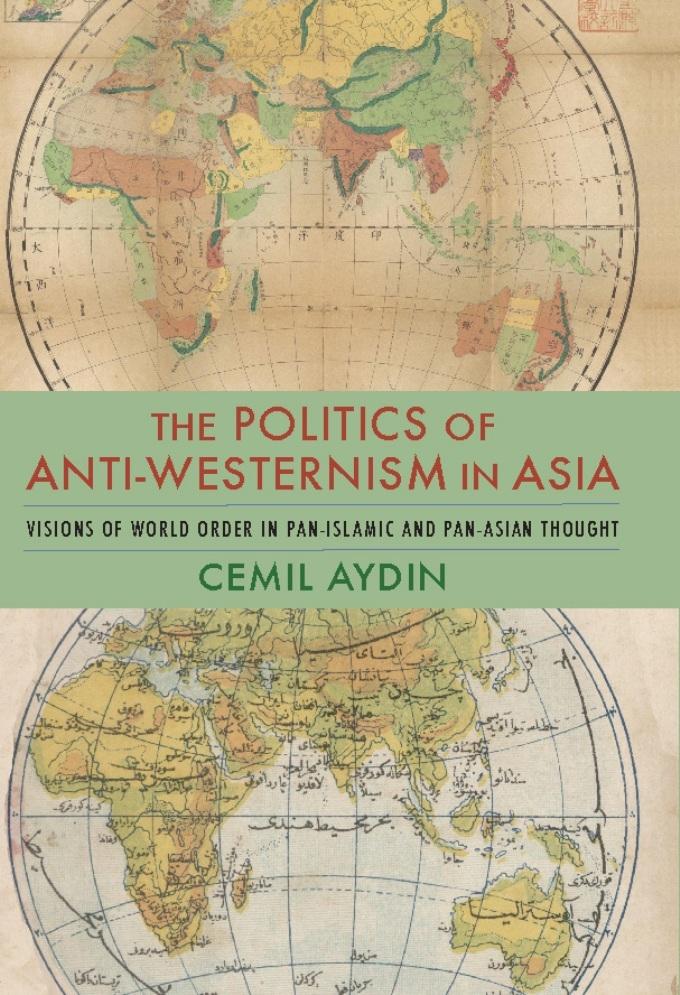
In this rich intellectual history, Cemil Aydin challenges the notion that anti-Westernism in modern Asia is a political and religious reaction to the liberal and democratic values of the West. Nor is anti-Westernism a natural response to Western imperialism. Instead, by focusing on the agency and achievements of non-Western intellectuals, Aydin demonstrates that modern anti-Western discourse grew out of the legitimacy crisis of a single, Eurocentric global polity in the age of high imperialism.
Aydin compares Ottoman pan-Islamic and Japanese pan-Asian visions of world order from the middle of the nineteenth century to the end of World War II. He looks at when the idea of a universal "West" first took root in the minds of Asian intellectuals and reformers and how it became essential in criticizing the West for violating its own "standards of civilization." Aydin also illustrates why these anti-Western visions contributed to the decolonization process and considers their influence on the international relations of both the Ottoman and Japanese Empires during WWI and WWII.
The Politics of Anti-Westernism in Asia offers a rare, global perspective on how religious tradition and the experience of European colonialism interacted with Muslim and non-Muslim discontent with globalization, the international order, and modernization. Aydin's approach reveals the epistemological limitations of Orientalist knowledge categories, especially the idea of Eastern and Western civilizations, and the way in which these limitations have shaped not only the contradictions and political complicities of anti-Western discourses but also contemporary interpretations of anti-Western trends. In moving beyond essentialist readings of this history, Aydin provides a fresh understanding of the history of contemporary anti-Americanism as well as the ongoing struggle to establish a legitimate and inclusive international society.
Before Memmo my notes were scattered across PDFs. Now a workspace pulls everything into one place — I see exactly what's still left to study.
Memmo's summaries are gold before exams. I don't have to re-read 800 pages two weeks before — just the important parts.
The AI chat has saved me the night before an exam more than once. I just keep asking until I get it — no waiting on a study group to reply.
The quizzes hit exactly what I need to know. Memmo tracks what I get stuck on — so I only practice what's worth it.
Flashcards with spaced repetition are magic. Memmo knows when I'm about to forget something and brings it back.
The AI podcasts are my favorite. I listen on my way to school and get a recap without sitting at a computer.

Handbok i kvalitativa metoder
281 kr

Hållbar utveckling: en introduktion för ingenjörer och andra problemlösare
334 kr

Brymans Samhällsvetenskapliga metoder
390 kr

Projektledning
491 kr

Den orättvisa hälsan: om socioekonomiska skillnader i hälsa och livslängd
326 kr

Vetenskapsteori för nybörjare
196 kr

Organizational Leadership
429 kr

På väg mot läraryrket
172 kr

Det sociala livet i skolan: Socialpsykologiska perspektiv
253 kr

Betygsättningens didaktik
151 kr

Personality
402 kr

Studying Leadership
404 kr

Managing Innovation
477 kr

Introduktion till samhällsvetenskaplig metod
347 kr

The Psychology of Sex and Gender
698 kr

Evidens och kunskap för socialt arbete
207 kr

Introduction to Leadership
605 kr