
Before Memmo my notes were scattered across PDFs. Now a workspace pulls everything into one place — I see exactly what's still left to study.
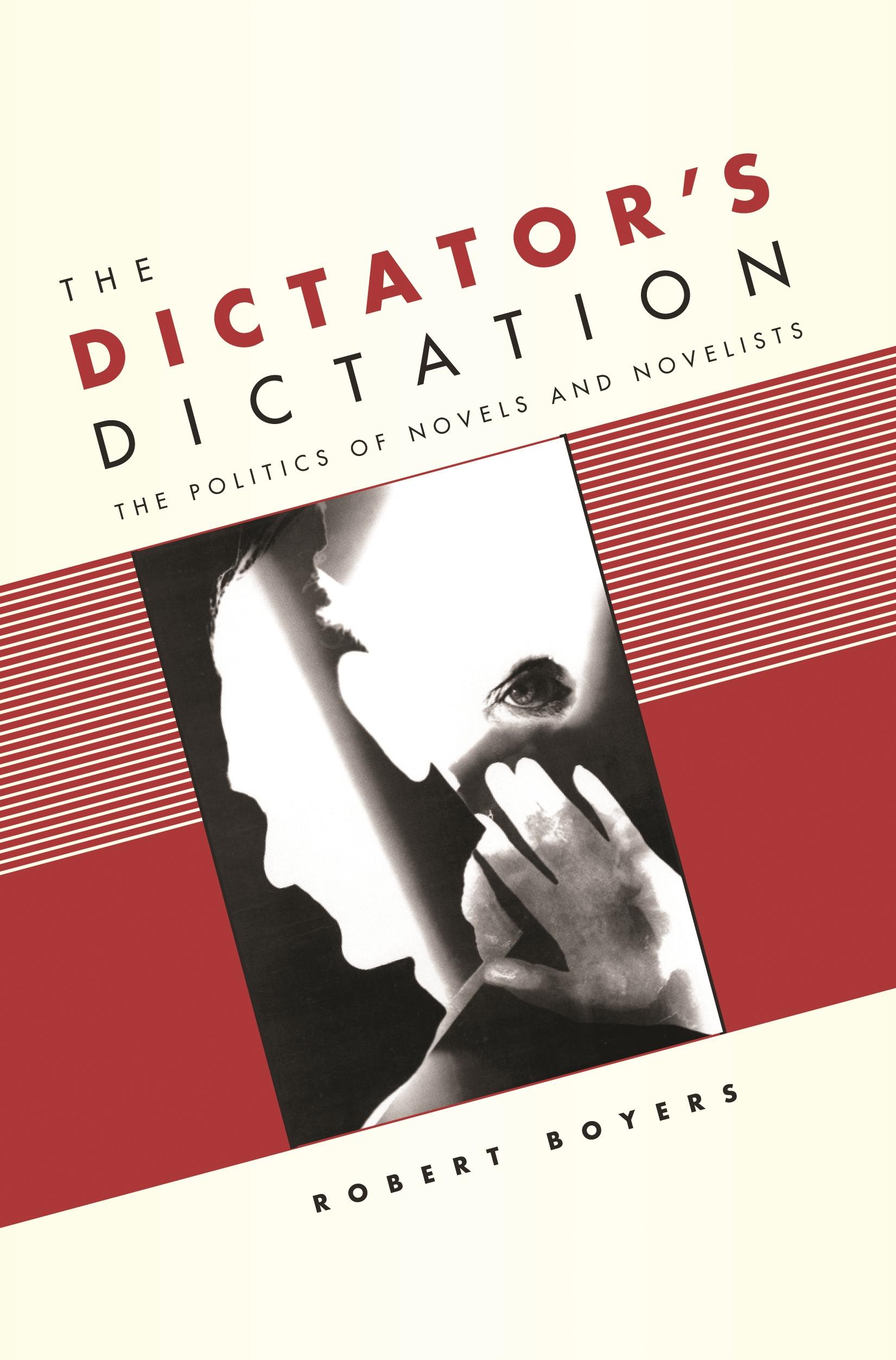
In these elegant essays, many of them originally written for The New Republic and Harper's, Robert Boyers examines the role of the political imagination in shaping the works of such important contemporary writers as W. G. Sebald and Philip Roth, Nadine Gordimer and Mario Vargas Llosa, Natalia Ginzburg and Pat Barker, J. M. Coetzee and John Updike, V. S. Naipaul and Anita Desai. Occasionally he finds that politics actually figures very little in works that only pretend to be interested in politics. Elsewhere he discovers that certain writers are not equal to the political issues they take on or that their work is fatally compromised by complacency or wishful thinking.
In the main, though, Boyers writes as a lover of great literature who wishes to understand how the best writers do justice to their own political obsessions without suggesting that everything is reducible to politics. Resisting the notion that novels can be effectively translated into ideas or positions, he resists as well the notion that art and politics must be held apart, lest works of fiction somehow be contaminated by their association with "real life" or public issues. The essays offer a combination of close reading, argument, and assessment.
What, Boyers asks, is the relationship between form and substance in a work whose formal properties are particularly striking? Is it reasonable to think of a particular writer as "reactionary" merely because he presents an unflattering portrait of revolutionary activists or because he is less than optimistic about the future of newly independent societies? What is the status of private life in works set in politically tumultuous times? Can the novelist be "responsible" if he consistently refuses to engage the conditions that affect even the intimate lives of his characters?
Such questions inform these essays, which strive to be true to the essential spirit of the works they discuss and to interrogate, as sympathetically as possible, the imagination of writers who negotiate the unstable relationships between society and the individual, art and ideas.
Before Memmo my notes were scattered across PDFs. Now a workspace pulls everything into one place — I see exactly what's still left to study.
Memmo's summaries are gold before exams. I don't have to re-read 800 pages two weeks before — just the important parts.
The AI chat has saved me the night before an exam more than once. I just keep asking until I get it — no waiting on a study group to reply.
The quizzes hit exactly what I need to know. Memmo tracks what I get stuck on — so I only practice what's worth it.
Flashcards with spaced repetition are magic. Memmo knows when I'm about to forget something and brings it back.
The AI podcasts are my favorite. I listen on my way to school and get a recap without sitting at a computer.

Handbok i kvalitativa metoder
281 kr

Hållbar utveckling: en introduktion för ingenjörer och andra problemlösare
334 kr

Brymans Samhällsvetenskapliga metoder
390 kr

Projektledning
491 kr

Den orättvisa hälsan: om socioekonomiska skillnader i hälsa och livslängd
326 kr

Organizational Leadership
429 kr

Vetenskapsteori för nybörjare
196 kr

På väg mot läraryrket
172 kr

Det sociala livet i skolan: Socialpsykologiska perspektiv
253 kr

Betygsättningens didaktik
151 kr

Personality
402 kr

Studying Leadership
404 kr

Managing Innovation
477 kr

Introduktion till samhällsvetenskaplig metod
347 kr

The Psychology of Sex and Gender
698 kr

Evidens och kunskap för socialt arbete
207 kr

Introduction to Leadership
605 kr