
Before Memmo my notes were scattered across PDFs. Now a workspace pulls everything into one place — I see exactly what's still left to study.
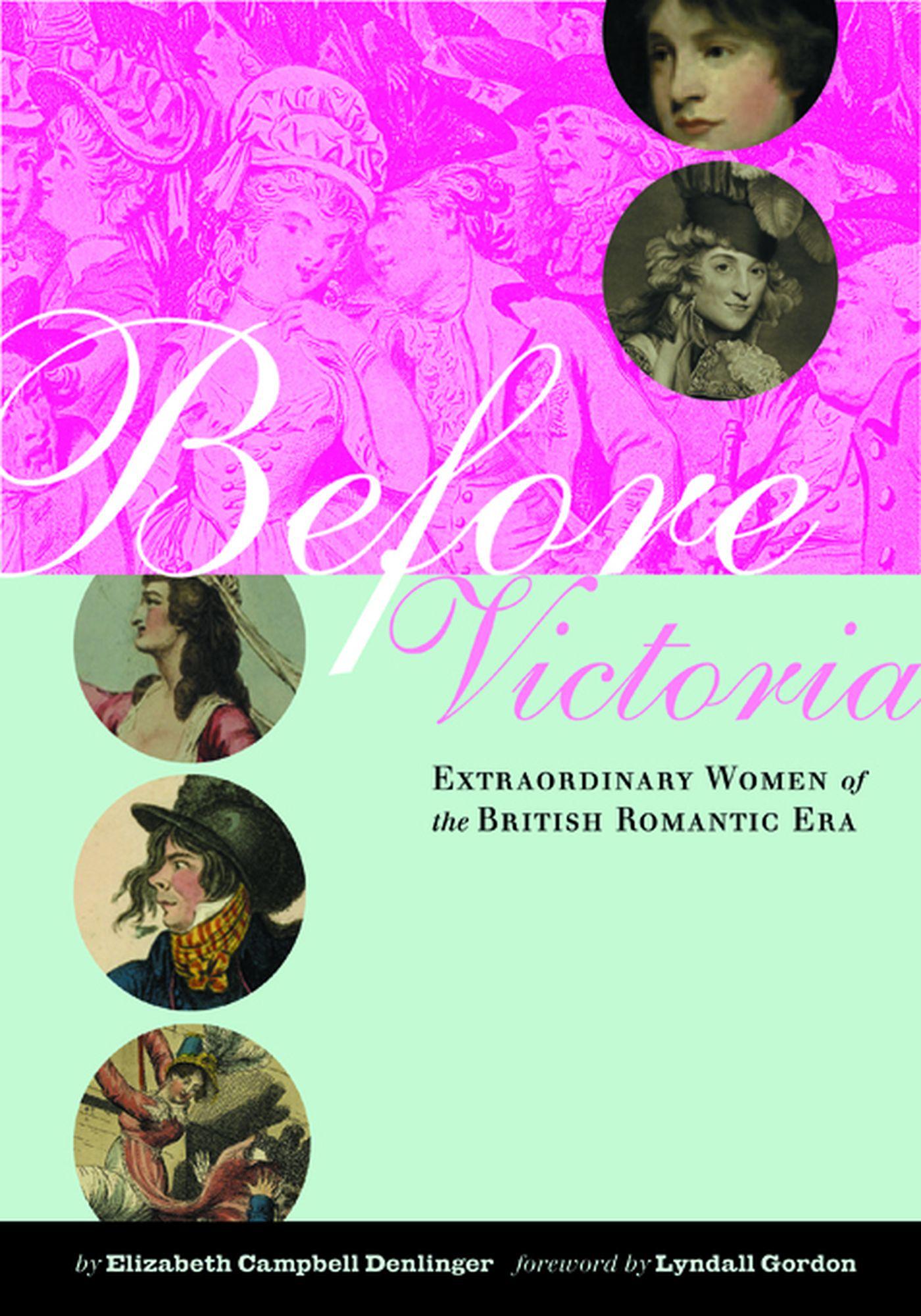
It might not have the been the revolution that Mary Wollstonecraft called for in A Vindication of the Rights of Woman (1792), but the Romantic era did witness a dramatic change in women's lives. Combining literary and cultural history, this richly illustrated volume brings back to life a remarkable, though frequently overlooked, group of women who transformed British culture and inspired new ways of understanding feminine roles and female sexuality.
What was this revolution like? Women were expected to be more moral, more constrained, and more private than in the eighteenth century, when women such as Georgiana Cavendish, Duchess of Devonshire crafted bold public personas. Genteel women no longer laughed aloud at bawdy jokes and noblewomen ran charity bazaars instead of private casinos. By 1800, motherhood had become a sacred calling and women who could afford to do so devoted themselves to the home. While this idealization of domesticity kept some women off the streets, it afforded others new opportunities. Often working from home, women wrote novels and poetry, sculpted busts, painted portraits, and conducted scientific research. They also seized the chance to do good, and crafted new public roles for themselves as philanthropists and reformers.
Now-obscure female astronomers, photographers, sculptors, and mathematicians share these pages with celebrated writers such as Mary Shelley, her mother Mary Wollstonecraft, and Mary Robinson, who in addition to being a novelist and actress was also the mistress of the Prince of Wales. This book also makes full use of The New York Public Library's extensive collections, including graphic works and caricatures from the late eighteenth and early nineteenth centuries, manuscripts, hand-colored illustrations, broadsides, drawings, oil paintings, notebooks, albums and early photographs. These vivid, beautiful, and often humorous images depict these women, their works, and their social and domestic worlds.
Before Memmo my notes were scattered across PDFs. Now a workspace pulls everything into one place — I see exactly what's still left to study.
Memmo's summaries are gold before exams. I don't have to re-read 800 pages two weeks before — just the important parts.
The AI chat has saved me the night before an exam more than once. I just keep asking until I get it — no waiting on a study group to reply.
The quizzes hit exactly what I need to know. Memmo tracks what I get stuck on — so I only practice what's worth it.
Flashcards with spaced repetition are magic. Memmo knows when I'm about to forget something and brings it back.
The AI podcasts are my favorite. I listen on my way to school and get a recap without sitting at a computer.

Handbok i kvalitativa metoder
281 kr

Hållbar utveckling: en introduktion för ingenjörer och andra problemlösare
334 kr

Brymans Samhällsvetenskapliga metoder
390 kr

Projektledning
491 kr

Den orättvisa hälsan: om socioekonomiska skillnader i hälsa och livslängd
326 kr

Vetenskapsteori för nybörjare
196 kr

Organizational Leadership
429 kr

På väg mot läraryrket
172 kr

Det sociala livet i skolan: Socialpsykologiska perspektiv
253 kr

Betygsättningens didaktik
151 kr

Personality
402 kr

Studying Leadership
404 kr

Managing Innovation
477 kr

Introduktion till samhällsvetenskaplig metod
347 kr

The Psychology of Sex and Gender
698 kr

Evidens och kunskap för socialt arbete
207 kr

Introduction to Leadership
605 kr