
Before Memmo my notes were scattered across PDFs. Now a workspace pulls everything into one place — I see exactly what's still left to study.
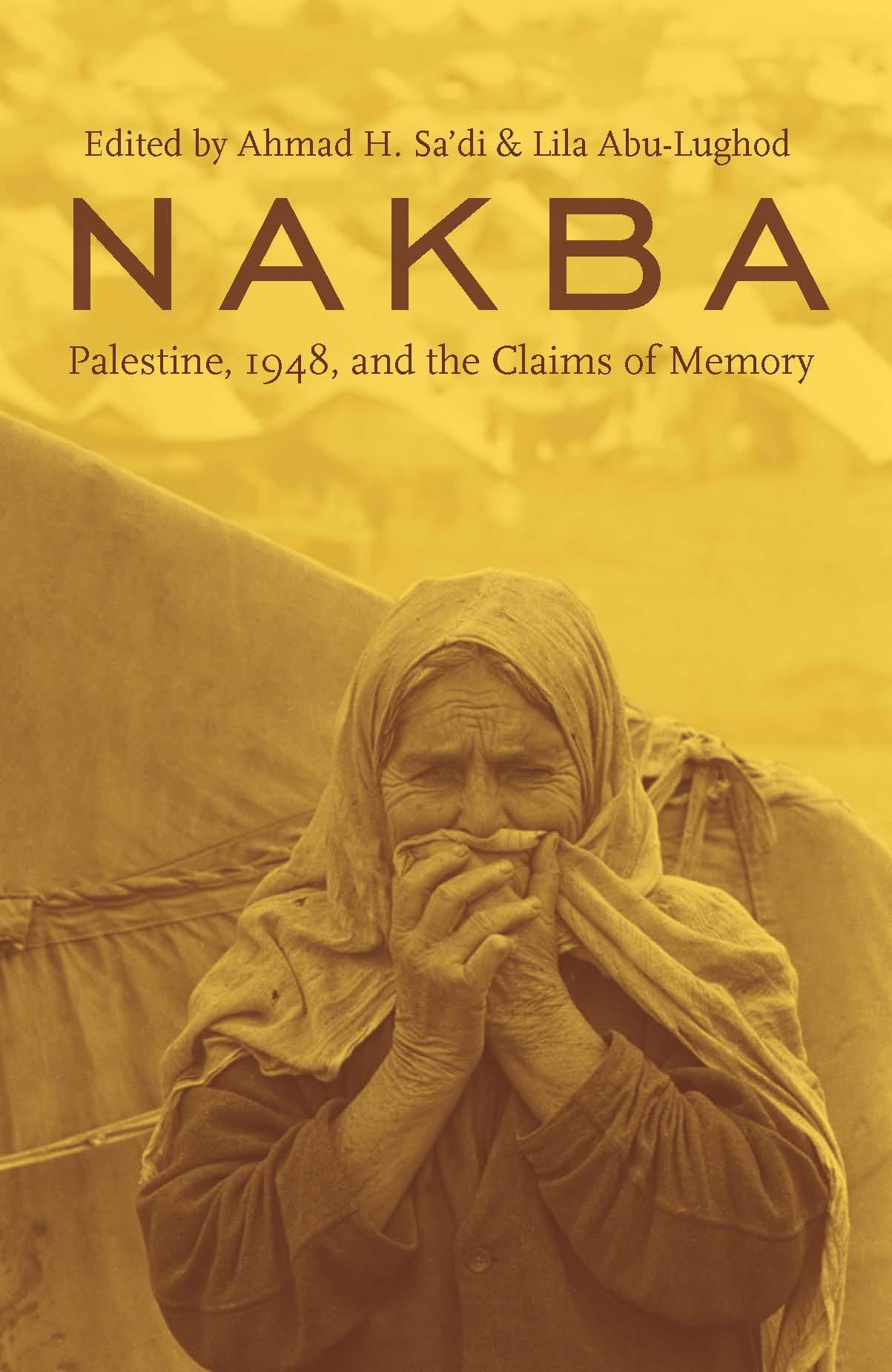
For outside observers, current events in Israel, Gaza, and the West Bank are seldom related to the collective memory of ordinary Palestinians. But for Palestinians themselves, the iniquities of the present are experienced as a continuous replay of the injustice of the past.
By focusing on memories of the Nakba or "catastrophe" of 1948, in which hundreds of thousands of Palestinians were dispossessed to create the state of Israel, the contributors to this volume illuminate the contemporary Palestinian experience and clarify the moral claims they make for justice and redress.
The book's essays consider the ways in which Palestinians have remembered and organized themselves around the Nakba, a central trauma that continues to be refracted through Palestinian personal and collective memory. Analyzing oral histories and written narratives, poetry and cinema, personal testimony and courtroom evidence, the authors show how the continuing experience of violence, displacement, and occupation have transformed the pre-Nakba past and the land of Palestine into symbols of what has been and continues to be lost.
Nakba brings to light the different ways in which Palestinians experienced and retain in memory the events of 1948. It is the first book to examine in detail how memories of Palestine's cataclysmic past are shaped by differences of class, gender, generation, and geographical location. In exploring the power of the past, the authors show the urgency of the question of memory for understanding the contested history of the present.
Contributors: Lila Abu Lughod, Columbia University; Diana Keown Allan, Harvard University; Haim Bresheeth, University of East London; Rochelle Davis, Georgetown University; Samera Esmeir, University of California, Berkeley; Isabelle Humphries, University of Surrey; Lena Jayyusi, Zayed University; Laleh Khalili, SOAS, University of London; Omar Al-Qattan, filmmaker; Ahmad H. Sa'di, Ben-Gurion University; Rosemary Sayigh, Lebanon-based anthropologist; Susan Slyomovics, University of California, Los Angeles
Before Memmo my notes were scattered across PDFs. Now a workspace pulls everything into one place — I see exactly what's still left to study.
Memmo's summaries are gold before exams. I don't have to re-read 800 pages two weeks before — just the important parts.
The AI chat has saved me the night before an exam more than once. I just keep asking until I get it — no waiting on a study group to reply.
The quizzes hit exactly what I need to know. Memmo tracks what I get stuck on — so I only practice what's worth it.
Flashcards with spaced repetition are magic. Memmo knows when I'm about to forget something and brings it back.
The AI podcasts are my favorite. I listen on my way to school and get a recap without sitting at a computer.

Handbok i kvalitativa metoder
281 kr

Hållbar utveckling: en introduktion för ingenjörer och andra problemlösare
334 kr

Brymans Samhällsvetenskapliga metoder
390 kr

Projektledning
491 kr

Den orättvisa hälsan: om socioekonomiska skillnader i hälsa och livslängd
326 kr

Organizational Leadership
429 kr

Vetenskapsteori för nybörjare
196 kr

På väg mot läraryrket
172 kr

Det sociala livet i skolan: Socialpsykologiska perspektiv
253 kr

Betygsättningens didaktik
151 kr

Personality
402 kr

Studying Leadership
404 kr

Managing Innovation
477 kr

Introduktion till samhällsvetenskaplig metod
347 kr

The Psychology of Sex and Gender
698 kr

Evidens och kunskap för socialt arbete
207 kr

Introduction to Leadership
605 kr