
Before Memmo my notes were scattered across PDFs. Now a workspace pulls everything into one place — I see exactly what's still left to study.
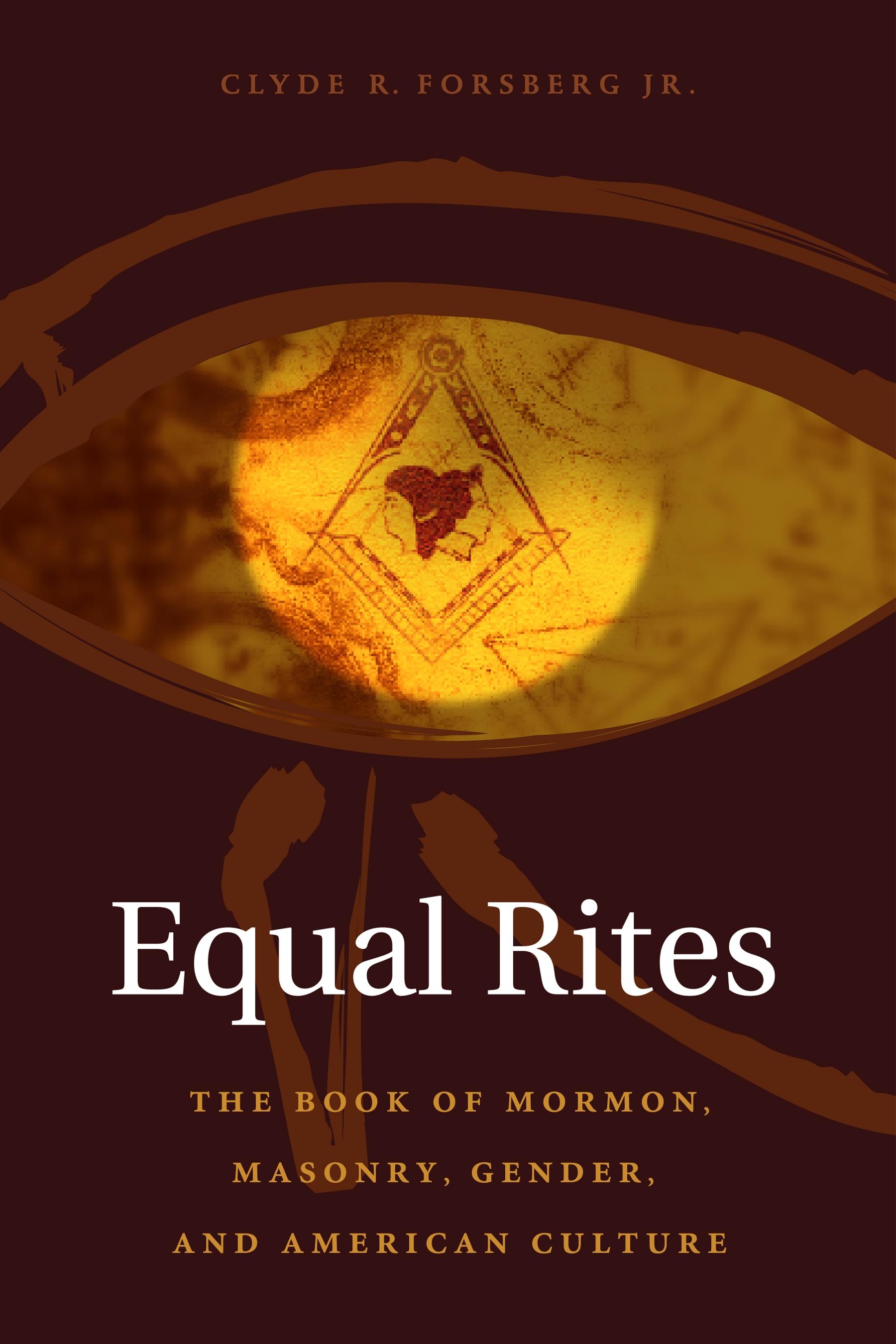
Both the Prophet Joseph Smith and his Book of Mormon have been characterized as ardently, indeed evangelically, anti-Masonic. Yet in this sweeping social, cultural, and religious history of nineteenth-century Mormonism and its milieu, Clyde Forsberg argues that masonry, like evangelical Christianity, was an essential component of Smith's vision. Smith's ability to imaginatively conjoin the two into a powerful and evocative defense of Christian, or Primitive, Freemasonry was, Forsberg shows, more than anything else responsible for the meteoric rise of Mormonism in the nineteenth century.
This was to have significant repercussions for the development of Mormonism, particularly in the articulation of specifically Mormon gender roles. Mormonism's unique contribution to the Masonic tradition was its inclusion of women as active and equal participants in Masonic rituals. Early Mormon dreams of empire in the Book of Mormon were motivated by a strong desire to end social and racial discord, lest the country fall into the grips of civil war. Forsberg demonstrates that by seeking to bring women into previously male-exclusive ceremonies, Mormonism offered an alternative to the male-dominated sphere of the Master Mason. By taking a median and mediating position between Masonry and Evangelicism, Mormonism positioned itself as a religion of the people, going on to become a world religion.
But the original intent of the Book of Mormon gave way as Mormonism moved west, and the temple and polygamy (indeed, the quest for empire) became more prevalent. The murder of Smith by Masonic vigilantes and the move to Utah coincided with a new imperialism—and a new polygamy. Forsberg argues that Masonic artifacts from Smith's life reveal important clues to the precise nature of his early Masonic thought that include no less than a vision of redemption and racial concord.
Before Memmo my notes were scattered across PDFs. Now a workspace pulls everything into one place — I see exactly what's still left to study.
Memmo's summaries are gold before exams. I don't have to re-read 800 pages two weeks before — just the important parts.
The AI chat has saved me the night before an exam more than once. I just keep asking until I get it — no waiting on a study group to reply.
The quizzes hit exactly what I need to know. Memmo tracks what I get stuck on — so I only practice what's worth it.
Flashcards with spaced repetition are magic. Memmo knows when I'm about to forget something and brings it back.
The AI podcasts are my favorite. I listen on my way to school and get a recap without sitting at a computer.

Handbok i kvalitativa metoder
281 kr

Hållbar utveckling: en introduktion för ingenjörer och andra problemlösare
334 kr

Brymans Samhällsvetenskapliga metoder
390 kr

Projektledning
491 kr

Den orättvisa hälsan: om socioekonomiska skillnader i hälsa och livslängd
326 kr

Organizational Leadership
429 kr

Vetenskapsteori för nybörjare
196 kr

På väg mot läraryrket
172 kr

Det sociala livet i skolan: Socialpsykologiska perspektiv
253 kr

Betygsättningens didaktik
151 kr

Personality
402 kr

Studying Leadership
404 kr

Managing Innovation
477 kr

Introduktion till samhällsvetenskaplig metod
347 kr

The Psychology of Sex and Gender
698 kr

Evidens och kunskap för socialt arbete
207 kr

Introduction to Leadership
605 kr