
Before Memmo my notes were scattered across PDFs. Now a workspace pulls everything into one place — I see exactly what's still left to study.
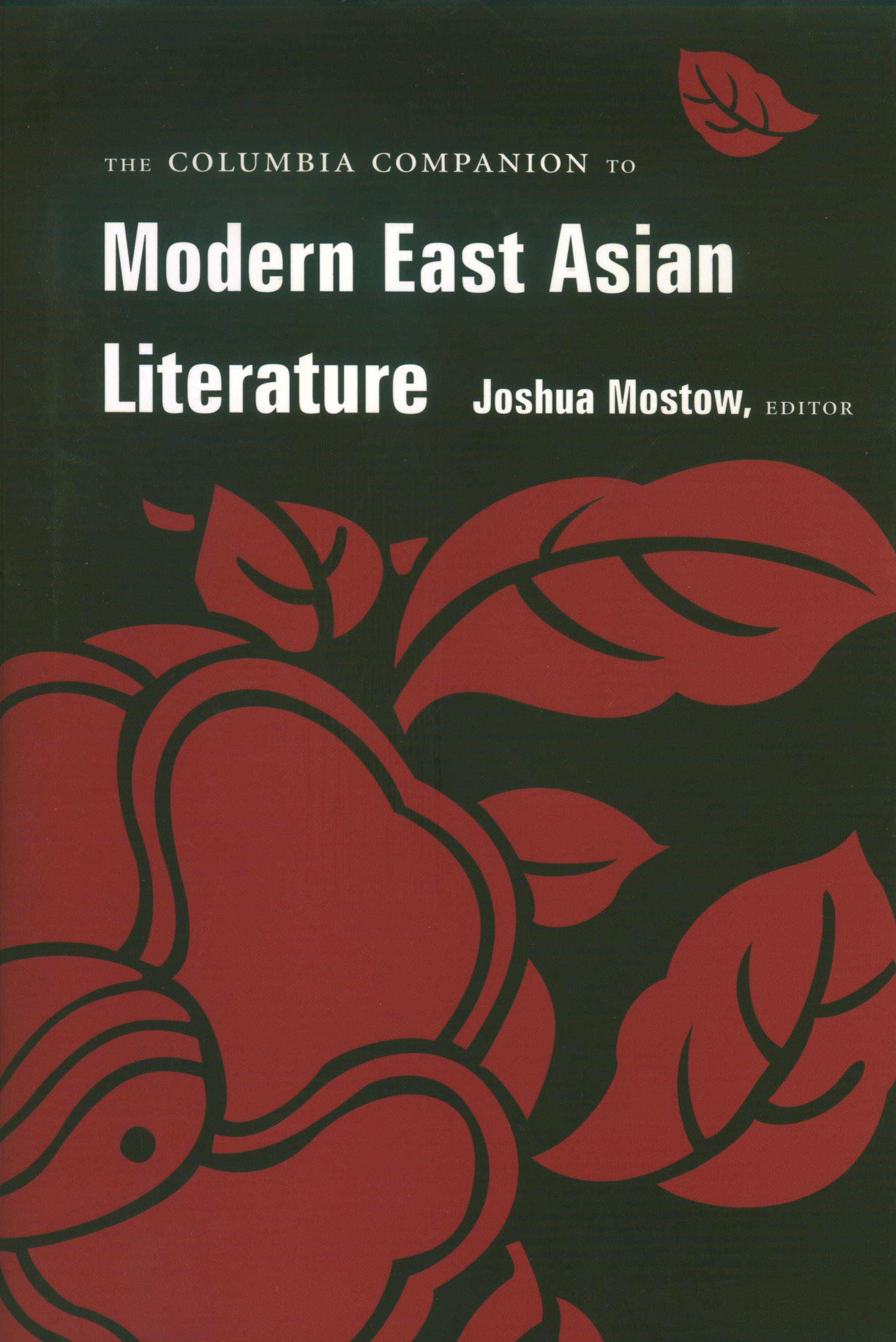
This extraordinary one-volume guide to the modern literatures of China, Japan, and Korea is the definitive reference work on the subject in the English language. With more than one hundred articles that show how a host of authors and literary movements have contributed to the general literary development of their respective countries, this companion is an essential starting point for the study of East Asian literatures. Comprehensive thematic essays introduce each geographical section with historical overviews and surveys of persistent themes in the literature examined, including nationalism, gender, family relations, and sexuality.
Following the thematic essays are the individual entries: over forty for China, over fifty for Japan, and almost thirty for Korea, featuring everything from detailed analyses of the works of Tanizaki Jun'ichiro and Murakami Haruki, to far-ranging explorations of avant-garde fiction in China and postwar novels in Korea. Arrayed chronologically, each entry is self-contained, though extensive cross-referencing affords readers the opportunity to gain a more synoptic view of the work, author, or movement. The unrivaled opportunities for comparative analysis alone make this unique companion an indispensable reference for anyone interested in the burgeoning field of Asian literature.
Although the literatures of China, Japan, and Korea are each allotted separate sections, the editors constantly kept an eye open to those writers, works, and movements that transcend national boundaries. This includes, for example, Chinese authors who lived and wrote in Japan; Japanese authors who wrote in classical Chinese; and Korean authors who write in Japanese, whether under the colonial occupation or because they are resident in Japan. The waves of modernization can be seen as reaching each of these countries in a staggered fashion, with eddies and back-flows between them then complicating the picture further. This volume provides a vivid sense of this dynamic interplay.
Before Memmo my notes were scattered across PDFs. Now a workspace pulls everything into one place — I see exactly what's still left to study.
Memmo's summaries are gold before exams. I don't have to re-read 800 pages two weeks before — just the important parts.
The AI chat has saved me the night before an exam more than once. I just keep asking until I get it — no waiting on a study group to reply.
The quizzes hit exactly what I need to know. Memmo tracks what I get stuck on — so I only practice what's worth it.
Flashcards with spaced repetition are magic. Memmo knows when I'm about to forget something and brings it back.
The AI podcasts are my favorite. I listen on my way to school and get a recap without sitting at a computer.

Handbok i kvalitativa metoder
281 kr

Hållbar utveckling: en introduktion för ingenjörer och andra problemlösare
334 kr

Brymans Samhällsvetenskapliga metoder
390 kr

Projektledning
491 kr

Den orättvisa hälsan: om socioekonomiska skillnader i hälsa och livslängd
326 kr

Vetenskapsteori för nybörjare
196 kr

Organizational Leadership
429 kr

På väg mot läraryrket
172 kr

Det sociala livet i skolan: Socialpsykologiska perspektiv
253 kr

Betygsättningens didaktik
151 kr

Personality
402 kr

Studying Leadership
404 kr

Managing Innovation
477 kr

Introduktion till samhällsvetenskaplig metod
347 kr

The Psychology of Sex and Gender
698 kr

Evidens och kunskap för socialt arbete
207 kr

Introduction to Leadership
605 kr