
Before Memmo my notes were scattered across PDFs. Now a workspace pulls everything into one place — I see exactly what's still left to study.
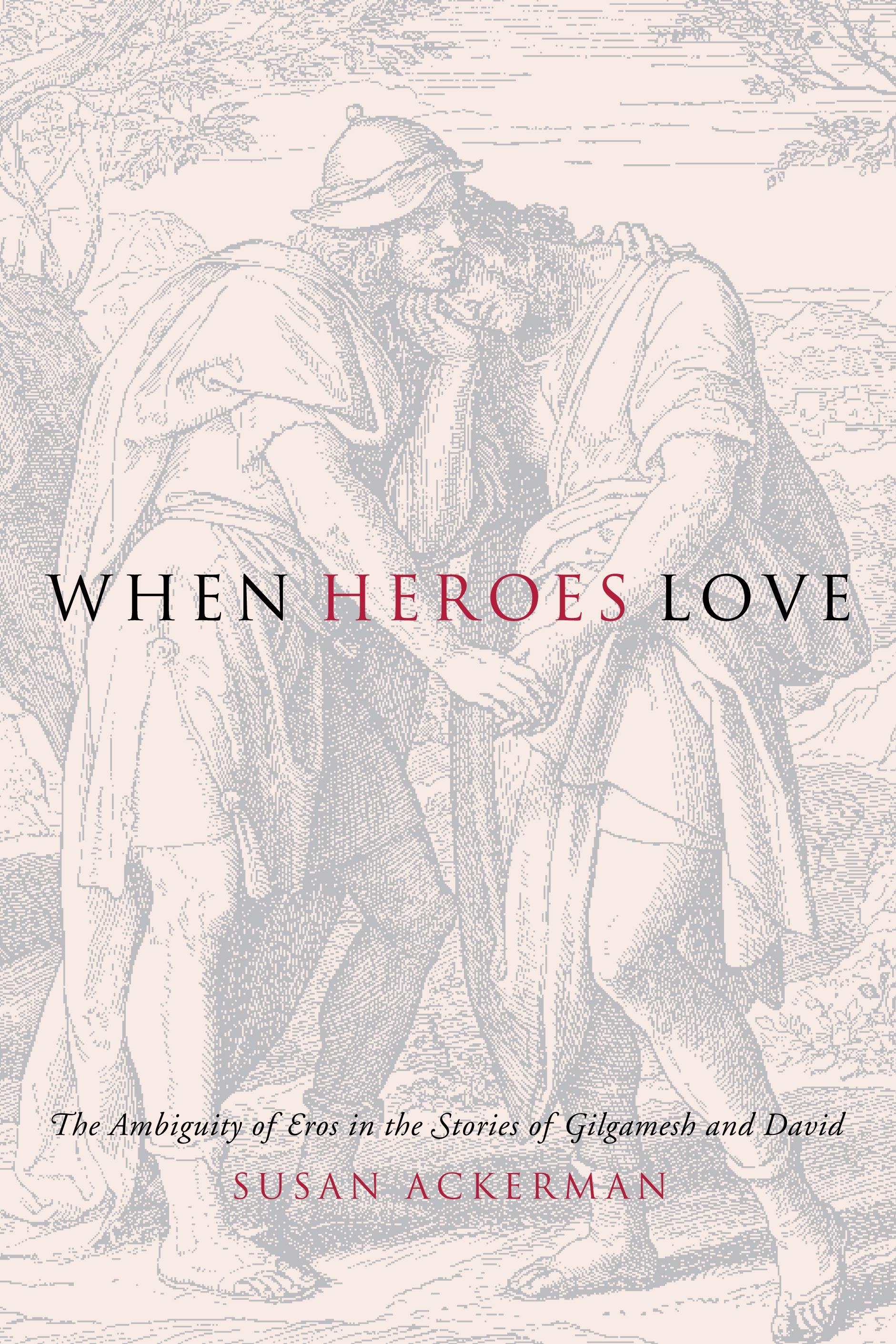
Toward the end of the Mesopotamian Epic of Gilgamesh King Gilgamesh laments the untimely death of his comrade Enkidu, "my friend whom I loved dearly." Similarly in the Bible, David mourns his companion, Jonathan, whose "love to me was wonderful, greater than the love of women." These passages, along with other ambiguous erotic and sexual language found in the Gilgamesh epic and the biblical David story, have become the object of numerous and competing scholarly inquiries into the sexual nature of the heroes' relationships. Susan Ackerman's innovative work carefully examines the stories' sexual and homoerotic language and suggests that its ambiguity provides new ways of understanding ideas of gender and sexuality in the ancient Near East and its literature.
In exploring the stories of Gilgamesh and Enkidu and David and Jonathan, Ackerman cautions against applying modern conceptions of homosexuality to these relationships. Drawing on historical and literary criticism, Ackerman's close readings analyze the stories of David and Gilgamesh in light of contemporary definitions of sexual relationships and gender roles. She argues that these male relationships cannot be taken as same-sex partnerships in the modern sense, but reflect the ancient understanding of gender roles, whether in same- or opposite-sex relationships, as defined as either active (male) or passive (female). Her interpretation also considers the heroes' erotic and sexual interactions with members of the opposite sex.
Ackerman shows that the texts' language and erotic imagery suggest more than just an intense male bonding. She argues that, though ambiguous, the erotic imagery and language have a critical function in the texts and serve the political, religious, and aesthetic aims of the narrators. More precisely, the erotic language in the story of David seeks to feminize Jonathan and thus invalidate his claim to Israel's throne in favor of David. In the case of Gilgamesh and Enkidu, whose egalitarian relationship is paradoxically described using the hierarchically dependent language of sexual relationships, the ambiguous erotic language reinforces their status as liminal figures and heroes in the epic tradition.
Before Memmo my notes were scattered across PDFs. Now a workspace pulls everything into one place — I see exactly what's still left to study.
Memmo's summaries are gold before exams. I don't have to re-read 800 pages two weeks before — just the important parts.
The AI chat has saved me the night before an exam more than once. I just keep asking until I get it — no waiting on a study group to reply.
The quizzes hit exactly what I need to know. Memmo tracks what I get stuck on — so I only practice what's worth it.
Flashcards with spaced repetition are magic. Memmo knows when I'm about to forget something and brings it back.
The AI podcasts are my favorite. I listen on my way to school and get a recap without sitting at a computer.

Handbok i kvalitativa metoder
281 kr

Hållbar utveckling: en introduktion för ingenjörer och andra problemlösare
334 kr

Brymans Samhällsvetenskapliga metoder
390 kr

Projektledning
491 kr

Den orättvisa hälsan: om socioekonomiska skillnader i hälsa och livslängd
326 kr

Organizational Leadership
429 kr

Vetenskapsteori för nybörjare
196 kr

På väg mot läraryrket
172 kr

Det sociala livet i skolan: Socialpsykologiska perspektiv
253 kr

Betygsättningens didaktik
151 kr

Personality
402 kr

Studying Leadership
404 kr

Managing Innovation
477 kr

Introduktion till samhällsvetenskaplig metod
347 kr

The Psychology of Sex and Gender
698 kr

Evidens och kunskap för socialt arbete
207 kr

Introduction to Leadership
605 kr