
Before Memmo my notes were scattered across PDFs. Now a workspace pulls everything into one place — I see exactly what's still left to study.
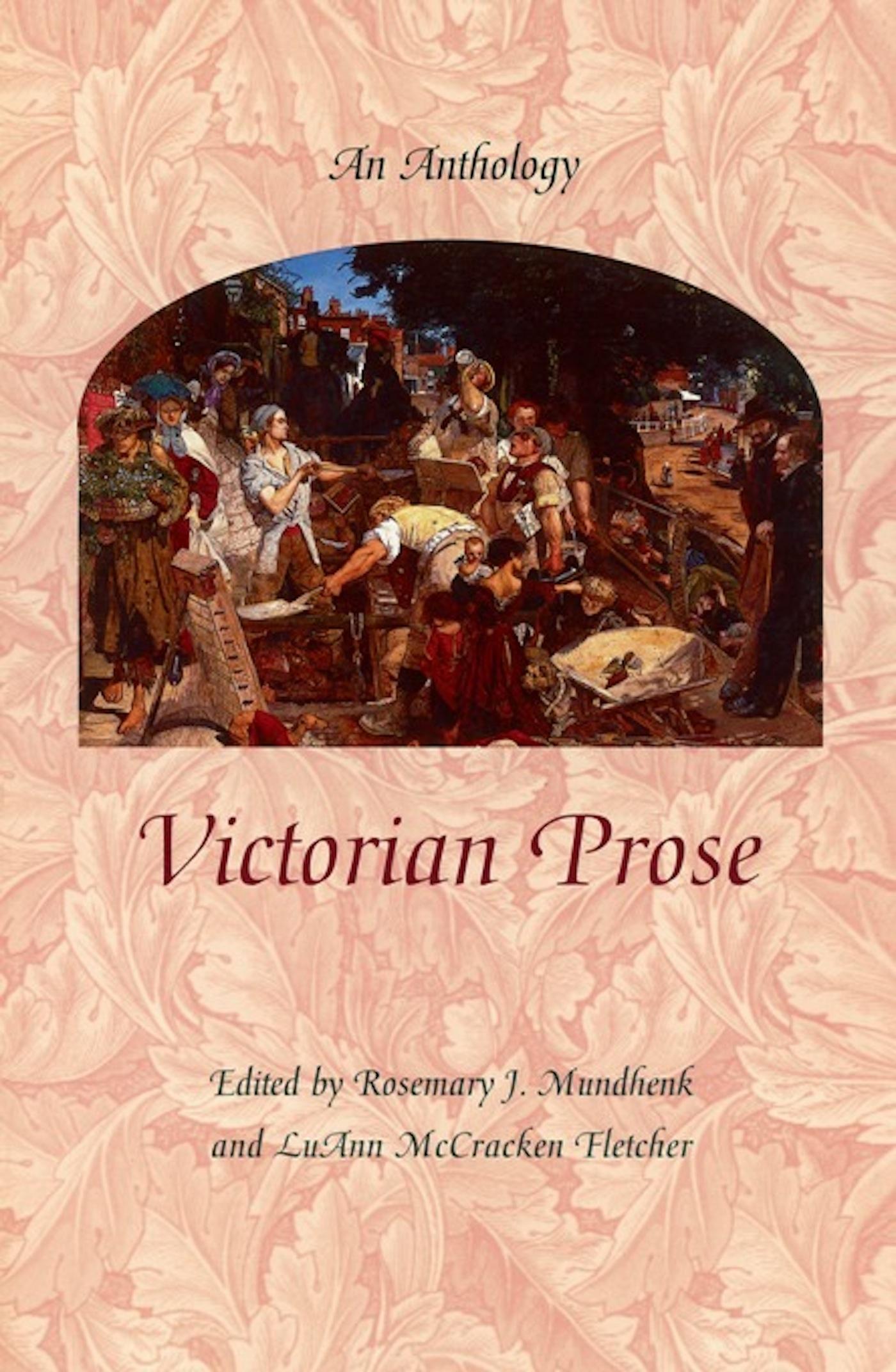
This engaging, informative collection of Victorian nonfiction prose juxtaposes classic texts and canonical writers with more obscure writings and authors in order to illuminate important debates in nineteenth-century Britain—inviting modern readers to see the age anew. The collection represents the voices of a broad scope of women and men on a range of nineteenth-century cultural issues and in various forms—from periodical essays to travel accounts, letters to lectures, and autobiographies to social surveys.
With its fifty-six substantial selections, Victorian Prose reaches beyond the work of Carlyle, Newman, Mill, Arnold, and Ruskin to uncover an array of lesser-known voices of the era. Women writers are given full attention—writings by Mary Prince, Dinah M. Craik, Florence Nightingale, Frances P. Cobbe, and Lucie Duff Gordon are among the entries.
Excerpts cover such topics of the age as British imperialism, the crisis of religious faith, and debates about gender. On the issue of colonial expansion, opinions range from Benjamin Disraeli's celebration of empire-building as evidence of Britain's glory to David Livingstone's promotion of commerce with Africa as a way to retard the slave trade and make it unprofitable. Views on "the woman question" extend from John Stuart Mill's defense of women's rights to Mrs. Humphry Ward's opposition to women's franchise and Sarah Ellis's support for the domestic ideal.
This invaluable resource features:
attention to important noncanonical writers—including a generous selection of women writers;
a wide range of written forms, including periodical essays, travel accounts, letters, lectures, autobiographies, and social surveys;
both chronological and thematic tables of contents—the latter encompassing subject areas such as England at home and abroad, the new sciences, religion, and the status of women;
selections drawn from the original nineteenth-century editions; and
annotations to each text that aid nonspecialists in understanding unfamiliar names, terms, and cultural debates.
Before Memmo my notes were scattered across PDFs. Now a workspace pulls everything into one place — I see exactly what's still left to study.
Memmo's summaries are gold before exams. I don't have to re-read 800 pages two weeks before — just the important parts.
The AI chat has saved me the night before an exam more than once. I just keep asking until I get it — no waiting on a study group to reply.
The quizzes hit exactly what I need to know. Memmo tracks what I get stuck on — so I only practice what's worth it.
Flashcards with spaced repetition are magic. Memmo knows when I'm about to forget something and brings it back.
The AI podcasts are my favorite. I listen on my way to school and get a recap without sitting at a computer.

Handbok i kvalitativa metoder
281 kr

Hållbar utveckling: en introduktion för ingenjörer och andra problemlösare
334 kr

Brymans Samhällsvetenskapliga metoder
390 kr

Projektledning
491 kr

Den orättvisa hälsan: om socioekonomiska skillnader i hälsa och livslängd
326 kr

Organizational Leadership
429 kr

Vetenskapsteori för nybörjare
196 kr

På väg mot läraryrket
172 kr

Det sociala livet i skolan: Socialpsykologiska perspektiv
253 kr

Betygsättningens didaktik
151 kr

Personality
402 kr

Studying Leadership
404 kr

Managing Innovation
477 kr

Introduktion till samhällsvetenskaplig metod
347 kr

The Psychology of Sex and Gender
698 kr

Evidens och kunskap för socialt arbete
207 kr

Introduction to Leadership
605 kr