
Before Memmo my notes were scattered across PDFs. Now a workspace pulls everything into one place — I see exactly what's still left to study.
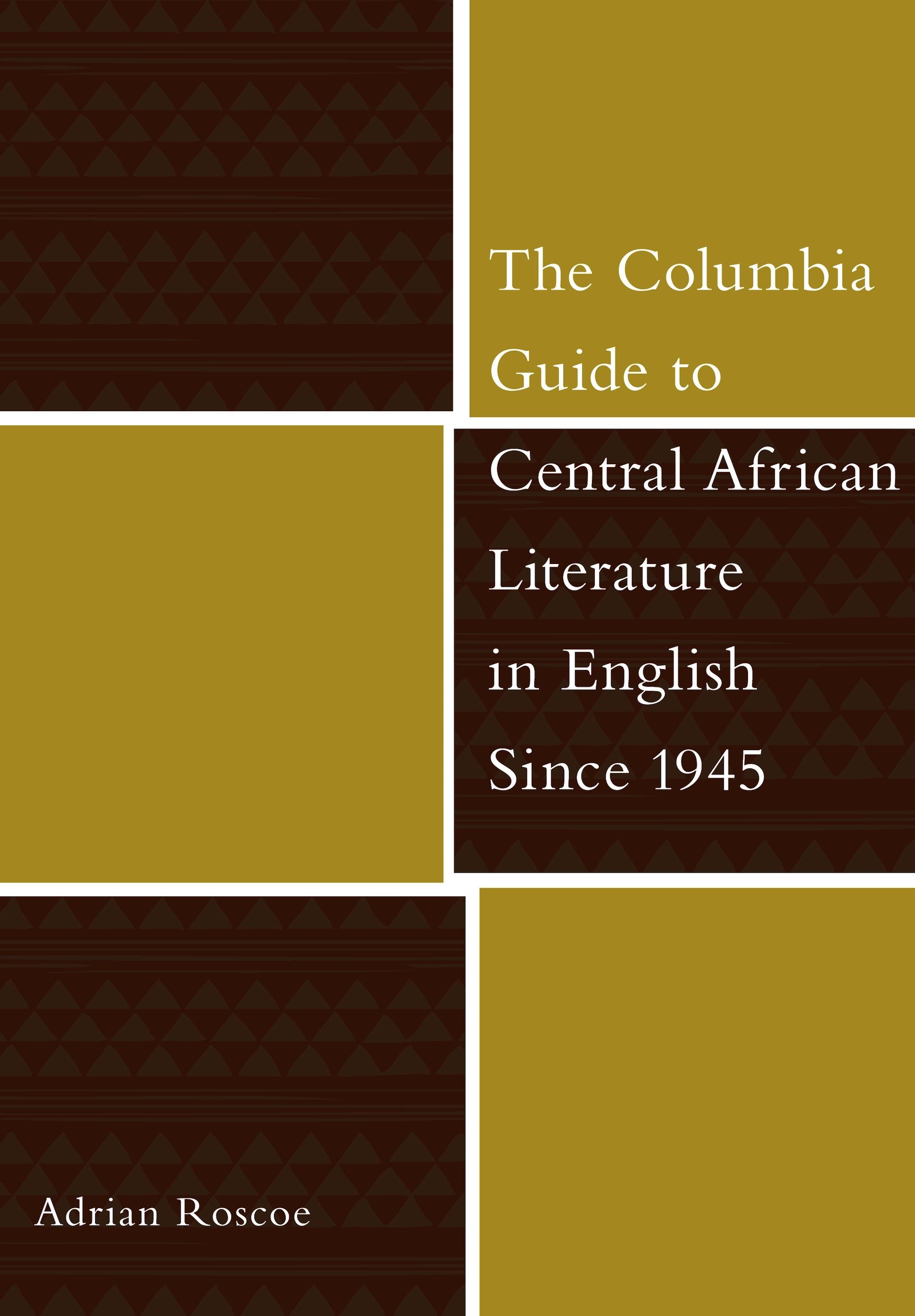
Columbia's guides to postwar African literature paint a unique portrait of the continent's rich and diverse literary traditions. This volume examines the rapid rise and growth of modern literature in the three postcolonial nations of Zimbabwe, Malawi, and Zambia. It tracks the multiple political and economic pressures that have shaped Central African writing since the end of World War II and reveals its authors' heroic efforts to keep their literary traditions alive in the face of extreme poverty and AIDS.
Adrian Roscoe begins with a list of key political events. Since writers were composing within both colonial and postcolonial contexts, he pays particular attention to the nature of British colonialism, especially theories regarding its provenance and motivation. Roscoe discusses such historical figures as David Livingstone, Cecil Rhodes, and Sir Harry Johnston, as well as modern power players, including Robert Mugabe, Kenneth Kaunda, and Kamuzu Banda. He also addresses efforts to create a literary-historical record from an African perspective, an account that challenges white historiographies in which the colonized was neither agent nor informer.
A comprehensive alphabetical guide profiles both established and emerging authors and further illustrates issues raised in the introduction. Roscoe then concludes with a detailed bibliography recommending additional reading and sources. At the close of World War II the people of Central Africa found themselves mired in imperial fatigue and broken promises of freedom. This fueled a desire for liberation and a major surge in literary production, and in this illuminating guide Roscoe details the campaigns for social justice and political integrity, for education and economic empowerment, and for gender equity, participatory democracy, rural development, and environmental care that characterized this exciting period of development.
Before Memmo my notes were scattered across PDFs. Now a workspace pulls everything into one place — I see exactly what's still left to study.
Memmo's summaries are gold before exams. I don't have to re-read 800 pages two weeks before — just the important parts.
The AI chat has saved me the night before an exam more than once. I just keep asking until I get it — no waiting on a study group to reply.
The quizzes hit exactly what I need to know. Memmo tracks what I get stuck on — so I only practice what's worth it.
Flashcards with spaced repetition are magic. Memmo knows when I'm about to forget something and brings it back.
The AI podcasts are my favorite. I listen on my way to school and get a recap without sitting at a computer.

Handbok i kvalitativa metoder
281 kr

Hållbar utveckling: en introduktion för ingenjörer och andra problemlösare
334 kr

Brymans Samhällsvetenskapliga metoder
390 kr

Projektledning
491 kr

Den orättvisa hälsan: om socioekonomiska skillnader i hälsa och livslängd
326 kr

Vetenskapsteori för nybörjare
196 kr

Organizational Leadership
429 kr

På väg mot läraryrket
172 kr

Det sociala livet i skolan: Socialpsykologiska perspektiv
253 kr

Betygsättningens didaktik
151 kr

Personality
402 kr

Studying Leadership
404 kr

Managing Innovation
477 kr

Introduktion till samhällsvetenskaplig metod
347 kr

The Psychology of Sex and Gender
698 kr

Evidens och kunskap för socialt arbete
207 kr

Introduction to Leadership
605 kr