
Before Memmo my notes were scattered across PDFs. Now a workspace pulls everything into one place — I see exactly what's still left to study.
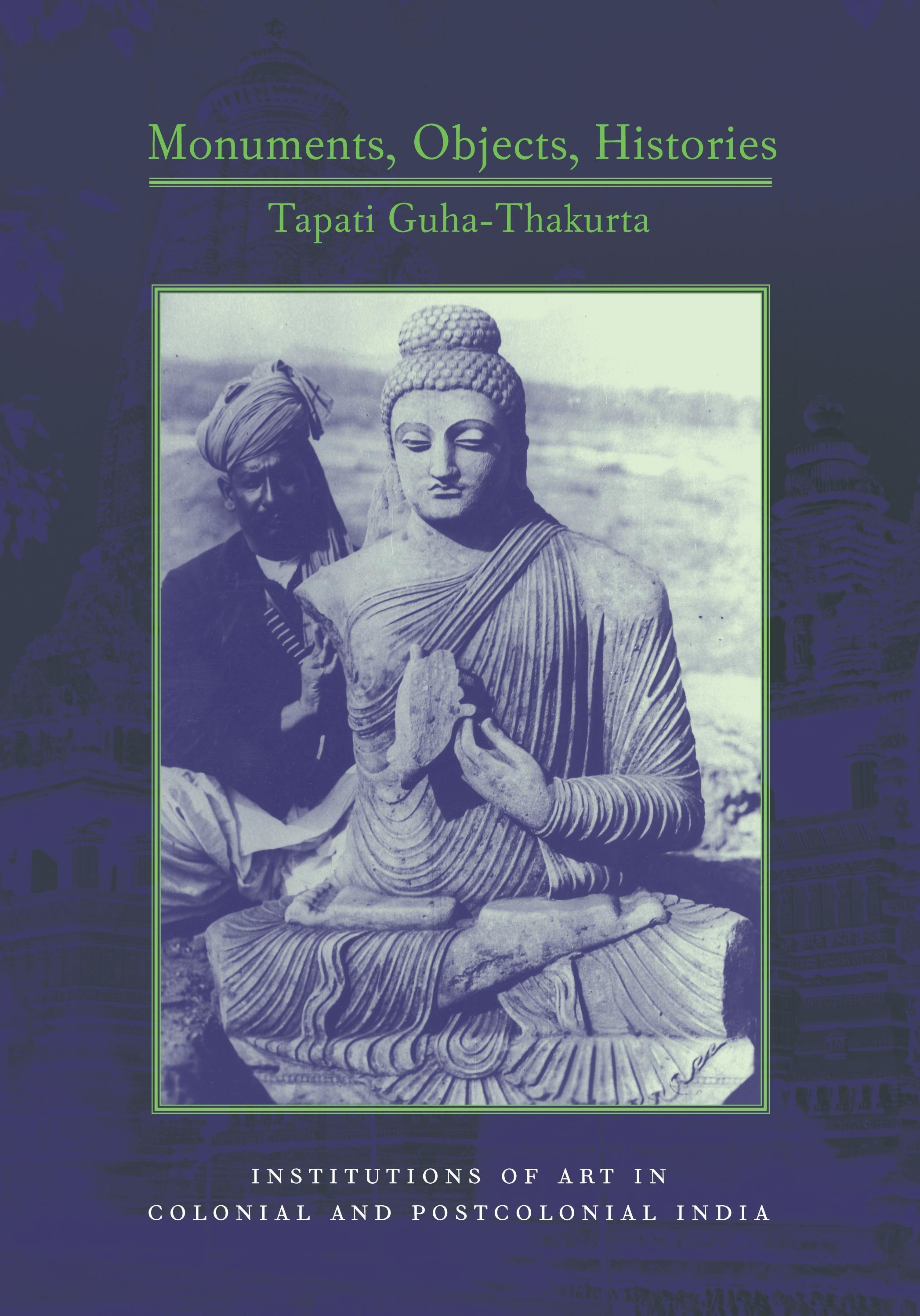
Art history as it is largely practiced in Asia as well as in the West is a western invention. In India, works of art-sculptures, monuments, paintings-were first viewed under colonial rule as archaeological antiquities, later as architectural relics, and by the mid-20th century as works of art within an elaborate art-historical classification. Tied to these views were narratives in which the works figured, respectively, as sources from which to recover India's history, markers of a lost, antique civilization, and symbols of a nation's unique aesthetic, reflecting the progression from colonialism to nationalism. The nationalist canon continues to dominate the image of Indian art in India and abroad, and yet its uncritical acceptance of the discipline's western orthodoxies remains unquestioned, the original motives and means of creation unexplored. The book examines the role of art and art history from both an insider and outsider point of view, always revealing how the demands of nationalism have shaped the concept and meaning of art in India. The author shows how western custodianship of Indian "antiquities" structured a historical interpretation of art; how indigenous Bengali scholarship in the late 19th and early 20th centuries attempted to bring Indian art into the nationalist sphere; how the importance of art as a representation of national culture crystallized in the period after Independence; and how cultural and religious clashes in modern India have resulted in conflicting "histories" and interpretations of Indian art. In particular, the author uses the depiction of Hindu goddesses to elicit conflicting scenarios of condemnation and celebration, both of which have at their core the threat and lure of the female form, which has been constructed and narrativized in art history.
Monuments, Objects, Histories is a critical survey of the practices of archaeology, art history, and museums in nineteenth- and twentieth-century India. The essays gathered here look at the processes of the production of lost pasts in modern India: pasts that come to be imagined around a growing corpus of monuments, archaeological relics, and art objects. They map the scholarly and institutional authority that emerged around such structures and artifacts, making of them not only the chosen objects of art and archaeology but also the prime signifiers of the nation's civilization and antiquity.
The close imbrication of the "colonial" and the "national" in the making of India's archaeological and art historical pasts and their combined legacy for the postcolonial present form one of the key themes of the book. Monuments, Objects, Histories offers both an insider's and an outsider's perspective on the growth of these scholarly fields and their institutional apparatus, analyzing the ways they have constituted and recast their objects of study. The book moves from a period that saw the consolidation of western expertise and custodianship of India's "antiquities," to the projection over the twentieth century of varying regional, nativist, and national claims around the country's architectural and artistic inheritance, into a current period that has pitched these objects and fields within a highly contentious politics of nationhood.
Monuments, Objects, Histories traces the framing of an official national canon of Indian art through these different periods, showing how the workings of disciplines and institutions have been tied to the pervasive authority of the nation. At the same time, it addresses the radical reconfiguration in recent times of the meaning and scope of the "national," leading to the kinds of exclusions and chauvinisms that lie at the root of the current endangerment of these disciplines and the monuments and art objects they encompass.
Before Memmo my notes were scattered across PDFs. Now a workspace pulls everything into one place — I see exactly what's still left to study.
Memmo's summaries are gold before exams. I don't have to re-read 800 pages two weeks before — just the important parts.
The AI chat has saved me the night before an exam more than once. I just keep asking until I get it — no waiting on a study group to reply.
The quizzes hit exactly what I need to know. Memmo tracks what I get stuck on — so I only practice what's worth it.
Flashcards with spaced repetition are magic. Memmo knows when I'm about to forget something and brings it back.
The AI podcasts are my favorite. I listen on my way to school and get a recap without sitting at a computer.

Handbok i kvalitativa metoder
281 kr

Hållbar utveckling: en introduktion för ingenjörer och andra problemlösare
334 kr

Brymans Samhällsvetenskapliga metoder
390 kr

Projektledning
491 kr

Den orättvisa hälsan: om socioekonomiska skillnader i hälsa och livslängd
326 kr

Organizational Leadership
429 kr

Vetenskapsteori för nybörjare
196 kr

På väg mot läraryrket
172 kr

Det sociala livet i skolan: Socialpsykologiska perspektiv
253 kr

Betygsättningens didaktik
151 kr

Personality
402 kr

Studying Leadership
404 kr

Managing Innovation
477 kr

Introduktion till samhällsvetenskaplig metod
347 kr

The Psychology of Sex and Gender
698 kr

Evidens och kunskap för socialt arbete
207 kr

Introduction to Leadership
605 kr