
Before Memmo my notes were scattered across PDFs. Now a workspace pulls everything into one place — I see exactly what's still left to study.
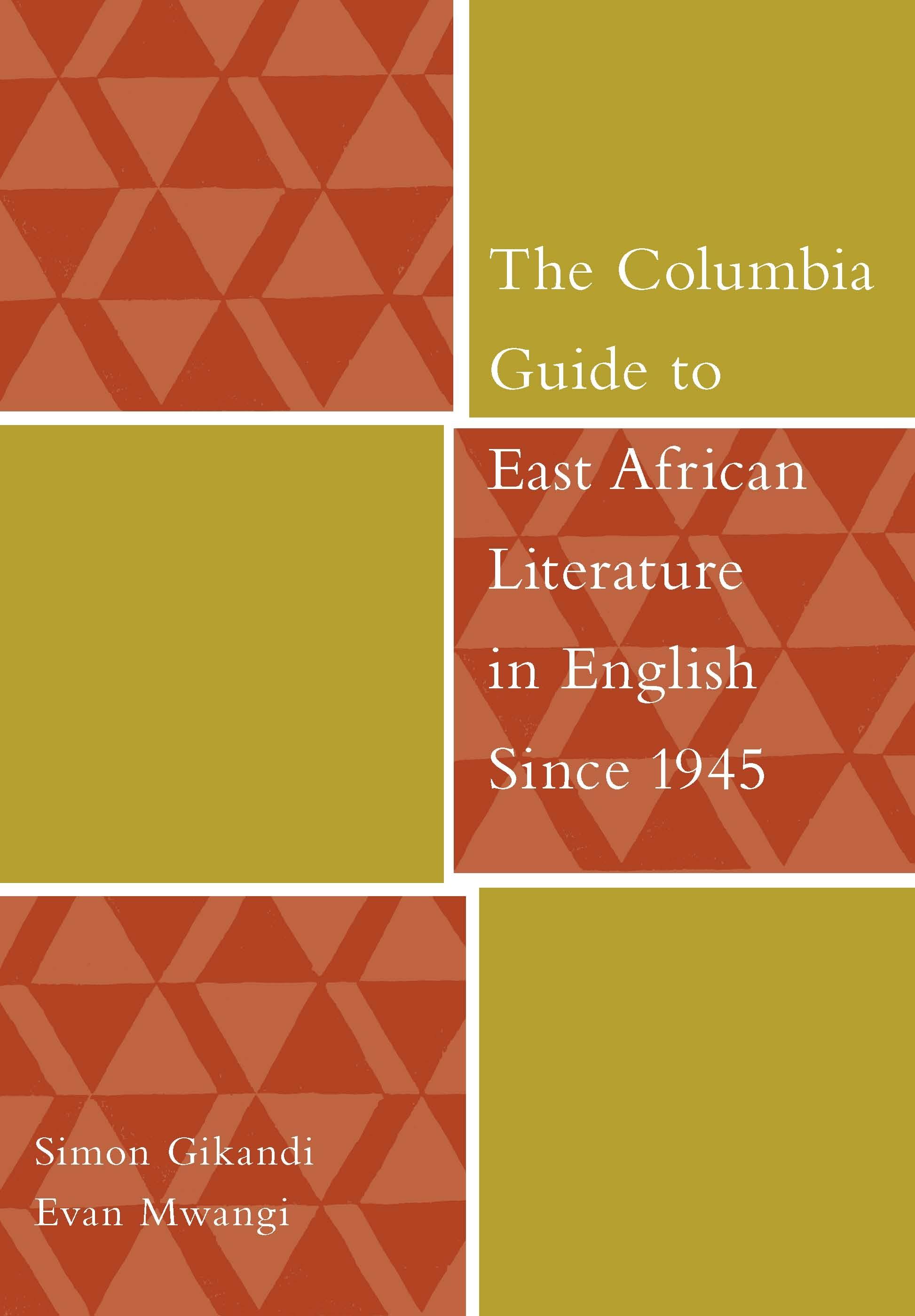
The Columbia Guide to East African Literature in English Since 1945 challenges the conventional belief that the English-language literary traditions of East Africa are restricted to the former British colonies of Kenya, Uganda, and Tanzania. Instead, these traditions stretch far into such neighboring countries as Somalia and Ethiopia.
Simon Gikandi and Evan Mwangi assemble a truly inclusive list of major writers and trends. They begin with a chronology of key historical events and an overview of the emergence and transformation of literary culture in the region. Then they provide an alphabetical list of major writers and brief descriptions of their concerns and achievements.
Some of the writers discussed include the Kenyan novelists Grace Ogot and Ngugi wa Thiong'o, Ugandan poet and essayist Taban Lo Liyong, Ethiopian playwright and poet Tsegaye Gabre-Medhin, Tanzanian novelist and diplomat Peter Palangyo, Ethiopian novelist Berhane Mariam Sahle-Sellassie, and the novelist M. G. Vassanji, who portrays the Indian diaspora in Africa, Europe, and North America.
Separate entries within this list describe thematic concerns, such as colonialism, decolonization, the black aesthetic, and the language question; the growth of genres like autobiography and popular literature; important movements like cultural nationalism and feminism; and the impact of major forces such as AIDS/HIV, Christian missions, and urbanization.
Comprehensive and richly detailed, this guide offers a fresh perspective on the role of East Africa in the development of African and world literature in English and a new understanding of the historical, cultural, and geopolitical boundaries of the region.
Before Memmo my notes were scattered across PDFs. Now a workspace pulls everything into one place — I see exactly what's still left to study.
Memmo's summaries are gold before exams. I don't have to re-read 800 pages two weeks before — just the important parts.
The AI chat has saved me the night before an exam more than once. I just keep asking until I get it — no waiting on a study group to reply.
The quizzes hit exactly what I need to know. Memmo tracks what I get stuck on — so I only practice what's worth it.
Flashcards with spaced repetition are magic. Memmo knows when I'm about to forget something and brings it back.
The AI podcasts are my favorite. I listen on my way to school and get a recap without sitting at a computer.

Handbok i kvalitativa metoder
281 kr

Hållbar utveckling: en introduktion för ingenjörer och andra problemlösare
334 kr

Brymans Samhällsvetenskapliga metoder
390 kr

Projektledning
491 kr

Den orättvisa hälsan: om socioekonomiska skillnader i hälsa och livslängd
326 kr

Vetenskapsteori för nybörjare
196 kr

Organizational Leadership
429 kr

På väg mot läraryrket
172 kr

Det sociala livet i skolan: Socialpsykologiska perspektiv
253 kr

Betygsättningens didaktik
151 kr

Personality
402 kr

Studying Leadership
404 kr

Managing Innovation
477 kr

Introduktion till samhällsvetenskaplig metod
347 kr

The Psychology of Sex and Gender
698 kr

Evidens och kunskap för socialt arbete
207 kr

Introduction to Leadership
605 kr