
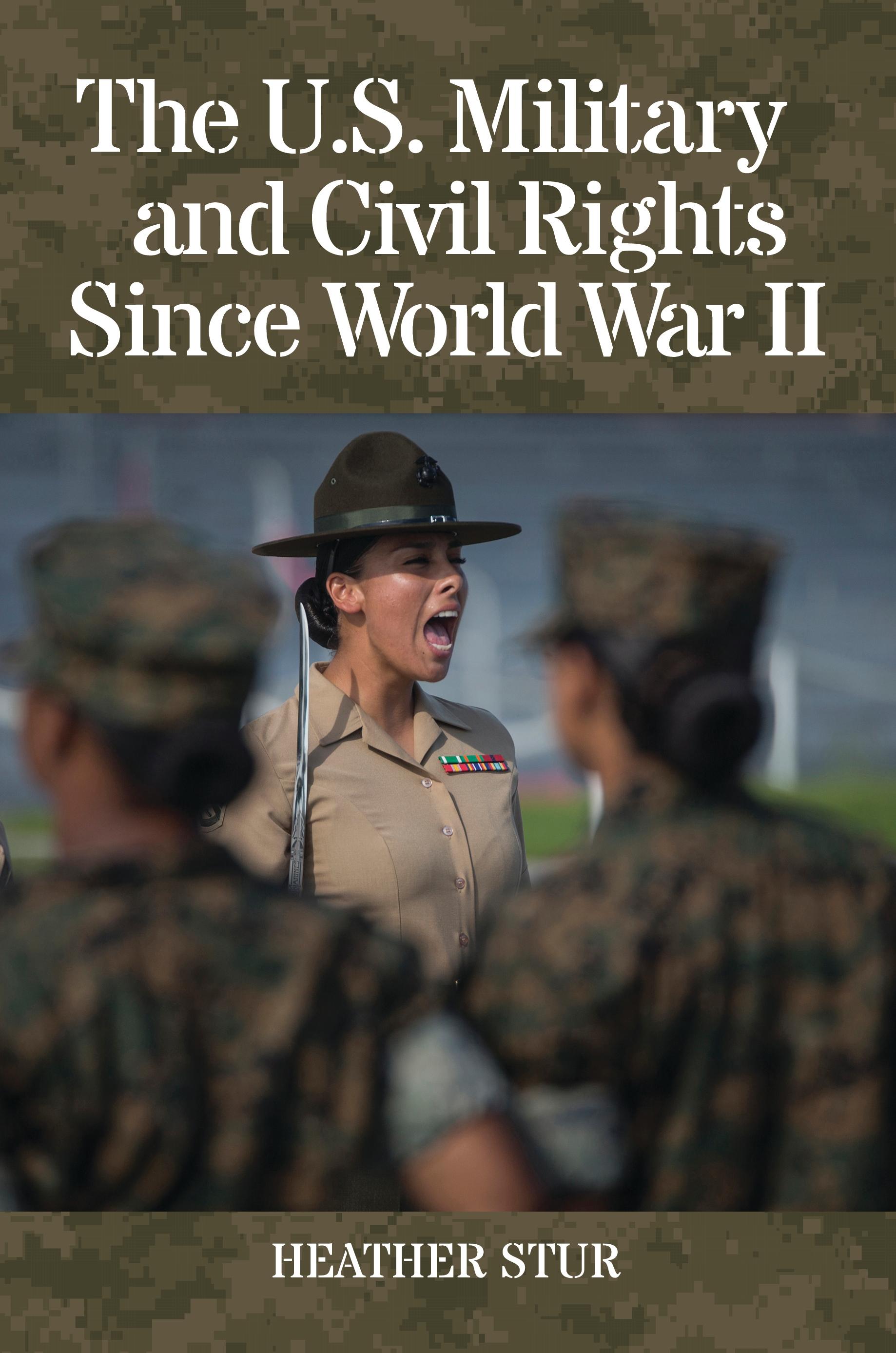
Through examinations of U.S. military racial and gender integration efforts and its handling of sexuality, this book argues that the need for personnel filling the ranks has forced the armed services to be pragmatically progressive since World War II.
The integration of African Americans and women into the United States Armed Forces after World War II coincided with major social movements in which marginalized civilians demanded equal citizenship rights. As this book explores, due to personnel needs, the military was a leading institution in its opening of positions to women and African Americans and its offering of educational and economic opportunities that in many cases were not available to them in the civilian world.
By opening positions to African Americans and women and remaking its "where boys become men" image, the military was an institutional leader on the issue of social equality in the second half of the 20th century. The pushback against gay men and women wishing to serve openly in the forces, however, revealed the limits of the military's pragmatic progressivism. This text investigates how policymakers have defined who belongs in the military and counts as a soldier, and examines how the need to attract new recruits led to the opening of the forces to marginalized groups and the rebranding of the services.
The integration of African Americans and women into the United States Armed Forces after World War II coincided with major social movements in which marginalized civilians demanded equal citizenship rights. As this book explores, due to personnel needs, the military was a leading institution in its opening of positions to women and African Americans and its offering of educational and economic opportunities that in many cases were not available to them in the civilian world.
By opening positions to African Americans and women and remaking its "where boys become men" image, the military was an institutional leader on the issue of social equality in the second half of the 20th century. The pushback against gay men and women wishing to serve openly in the forces, however, revealed the limits of the military's pragmatic progressivism. This text investigates how policymakers have defined who belongs in the military and counts as a soldier, and examines how the need to attract new recruits led to the opening of the forces to marginalized groups and the rebranding of the services.
Zahle einfach mit Karte, Klarna, Apple Pay oder Google Pay. Nicht zufrieden? Du hast immer ein 14-tägiges Widerrufsrecht. Lies mehr in unseren AGB. Hast du Fragen, schreib uns eine E-Mail an hello@memmo.org.
Memmo macht das Lernen einfacher – wo auch immer du bist. Bei uns findest du deine Kursbücher und smarte Lerntools an einem Ort: Zusammenfassungen, Quizzes, Podcasts und Lernkarten. Und Ted, dein Lernbuddy, beantwortet alles, was du wissen möchtest. Über 50.000 Studierende lernen bereits hier – gemacht, damit du schneller lernst und weniger Stress hast.