
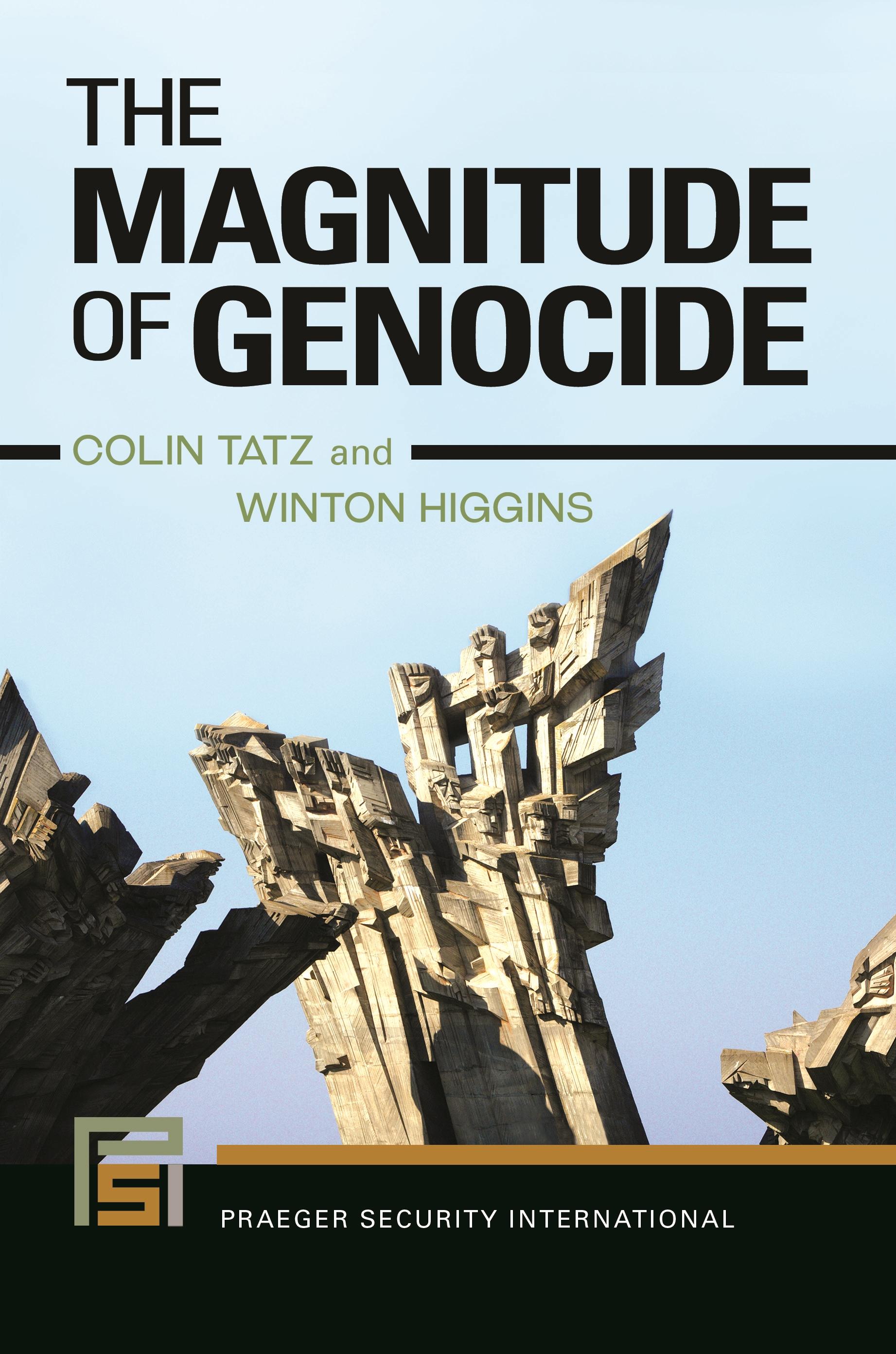
This book defines genocide, distinguishing it from mass murder, war crimes, and other atrocities; allows readers to grasp the magnitude of the crime of genocide across time and throughout human civilization; and facilitates an understanding of new and potential cases of genocide as they occur.
Recently, the topic of intervention against genocide has received attention in global politics and the national political discourse of major countries. The challenges in confronting genocide and attempting to make a positive change are manifold. Simply establishing an agreement on the legal definition of genocide—and distinguishing it from genocidal massacres, war crimes, and other crimes against humanity—is problematic. This book provides a valuable resource for students, scholars, and journalists when public awareness of, and interest in, genocide has reached unprecedented levels. Written in an accessible way for a broad readership, the book makes use of case studies to enable an understanding of emerging and potential genocide with the necessary depth of coverage to evaluate critically the ways in which the United Nations and national governments engage them.
Readers will understand the essential ingredients of genocide, from antiquity to the present, and grasp the extent of the crime across human history. A variety of case studies provides a means to measure genocidal magnitudes in terms of their intent and motive, geographical extent, pace, method, participants, outcomes, legacies, punishments, and reparations. A unique and crucial feature of the book is that it gives as much attention to the differences among genocides—for example, between a large-scale genocide like the Holocaust and the extermination of a 500-person Amazonian tribe—while still treating both within a single conceptual framework of genocide, without "discounting" the smaller case.
Recently, the topic of intervention against genocide has received attention in global politics and the national political discourse of major countries. The challenges in confronting genocide and attempting to make a positive change are manifold. Simply establishing an agreement on the legal definition of genocide—and distinguishing it from genocidal massacres, war crimes, and other crimes against humanity—is problematic. This book provides a valuable resource for students, scholars, and journalists when public awareness of, and interest in, genocide has reached unprecedented levels. Written in an accessible way for a broad readership, the book makes use of case studies to enable an understanding of emerging and potential genocide with the necessary depth of coverage to evaluate critically the ways in which the United Nations and national governments engage them.
Readers will understand the essential ingredients of genocide, from antiquity to the present, and grasp the extent of the crime across human history. A variety of case studies provides a means to measure genocidal magnitudes in terms of their intent and motive, geographical extent, pace, method, participants, outcomes, legacies, punishments, and reparations. A unique and crucial feature of the book is that it gives as much attention to the differences among genocides—for example, between a large-scale genocide like the Holocaust and the extermination of a 500-person Amazonian tribe—while still treating both within a single conceptual framework of genocide, without "discounting" the smaller case.
Zahle einfach mit Karte, Klarna, Apple Pay oder Google Pay. Nicht zufrieden? Du hast immer ein 14-tägiges Widerrufsrecht. Lies mehr in unseren AGB. Hast du Fragen, schreib uns eine E-Mail an hello@memmo.org.
Memmo macht das Lernen einfacher – wo auch immer du bist. Bei uns findest du deine Kursbücher und smarte Lerntools an einem Ort: Zusammenfassungen, Quizzes, Podcasts und Lernkarten. Und Ted, dein Lernbuddy, beantwortet alles, was du wissen möchtest. Über 50.000 Studierende lernen bereits hier – gemacht, damit du schneller lernst und weniger Stress hast.