
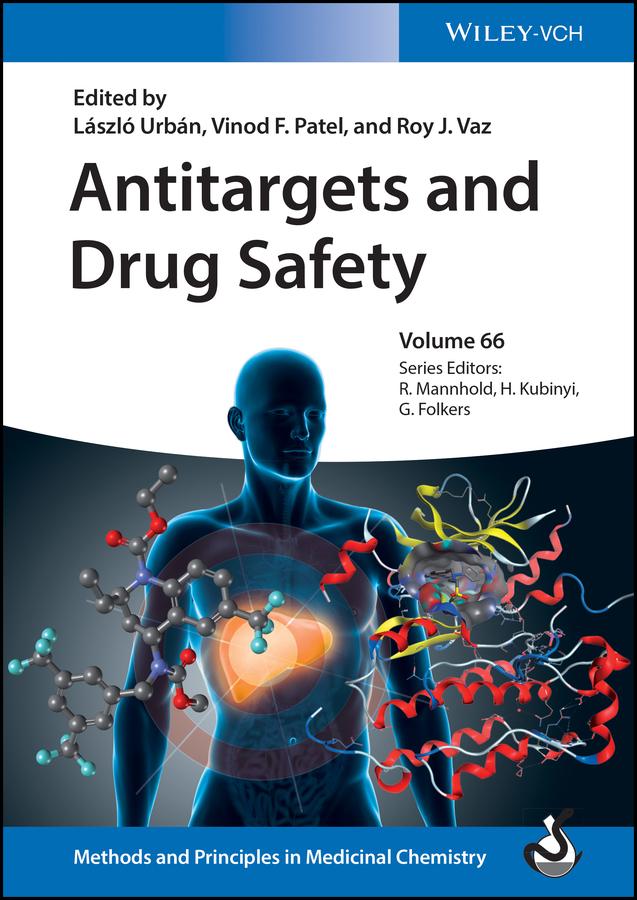
With its focus on emerging concerns of kinase and GPCR-mediated antitarget effects, this vital reference for drug developers addresses one of the hot topics in drug safety now and in future.
Divided into three major parts, the first section deals with novel technologies and includes the utility of adverse event reports to drug discovery, the translational aspects of preclinical safety findings, broader computational prediction of drug side-effects, and a description of the serotonergic system. The main part of the book looks at some of the most common antitarget-mediated side effects, focusing on hepatotoxicity in drug safety, cardiovascular toxicity and signaling effects via kinase and GPCR anti-targets. In the final section, several case studies of recently developed drugs illustrate how to prevent anti-target effects and how big pharma deals with them if they occur. The more recent field of systems pharmacology has gained prominence and this is reflected in chapters dedicated to the utility in deciphering and modeling anti-targets. The final chapter is concerned with those compounds that inadvertently elicit CNS mediated adverse events, including a pragmatic description of ways to mitigate these types of safety risks.
Written as a companion to the successful book on antitargets by Vaz and Klabunde, this new volume focuses on recent progress and new classes, methods and case studies that were not previously covered.
Divided into three major parts, the first section deals with novel technologies and includes the utility of adverse event reports to drug discovery, the translational aspects of preclinical safety findings, broader computational prediction of drug side-effects, and a description of the serotonergic system. The main part of the book looks at some of the most common antitarget-mediated side effects, focusing on hepatotoxicity in drug safety, cardiovascular toxicity and signaling effects via kinase and GPCR anti-targets. In the final section, several case studies of recently developed drugs illustrate how to prevent anti-target effects and how big pharma deals with them if they occur. The more recent field of systems pharmacology has gained prominence and this is reflected in chapters dedicated to the utility in deciphering and modeling anti-targets. The final chapter is concerned with those compounds that inadvertently elicit CNS mediated adverse events, including a pragmatic description of ways to mitigate these types of safety risks.
Written as a companion to the successful book on antitargets by Vaz and Klabunde, this new volume focuses on recent progress and new classes, methods and case studies that were not previously covered.
Zahle einfach mit Karte, Klarna, Apple Pay oder Google Pay. Nicht zufrieden? Du hast immer ein 14-tägiges Widerrufsrecht. Lies mehr in unseren AGB. Hast du Fragen, schreib uns eine E-Mail an hello@memmo.org.
Memmo macht das Lernen einfacher – wo auch immer du bist. Bei uns findest du deine Kursbücher und smarte Lerntools an einem Ort: Zusammenfassungen, Quizzes, Podcasts und Lernkarten. Und Ted, dein Lernbuddy, beantwortet alles, was du wissen möchtest. Über 50.000 Studierende lernen bereits hier – gemacht, damit du schneller lernst und weniger Stress hast.