
2024 Winner, Kjetil Hatlebrekke Memorial Book Prize, King's College Centre for the Study of Intelligence
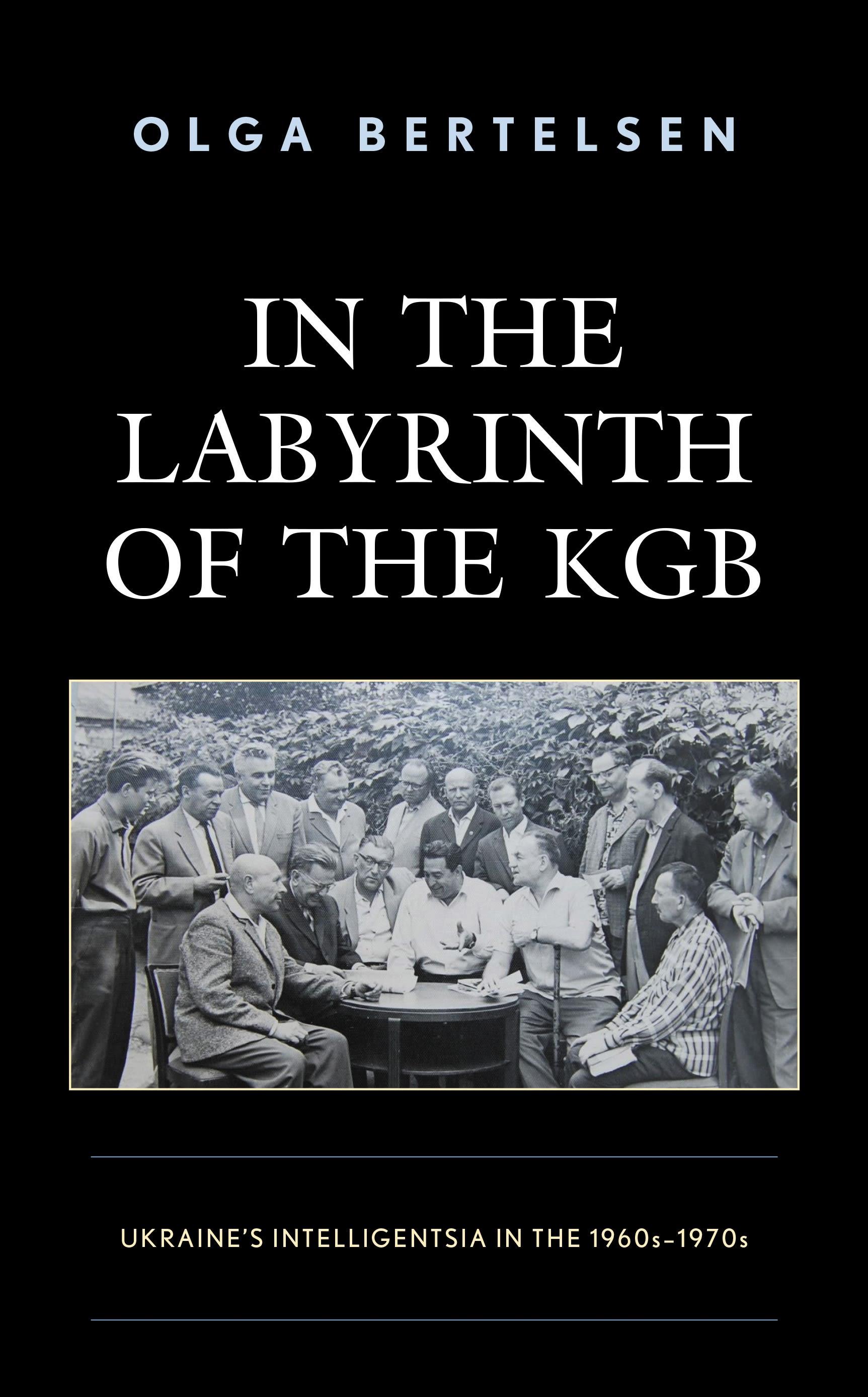
This book focuses on the generation of the sixties and seventies in Kharkiv, Soviet Ukraine, a milieu of writers who lived through the Thaw and the processes of de-Stalinization and re-Stalinization. Special attention is paid to KGB operations against what came to be known as the dissident milieu, and the interaction of Ukrainians, Jews, and Russians in the movement, their persona friendships, formal and informal interactions, and the ways they dealt with repression and arrests. This study demonstrates that the KGB unintentionally facilitated the transnational and intercultural links among the Kharkiv multi-ethnic community of writers and their mutual enrichment. Post-Khrushchev Kharkiv is analyzed as a political space and a place of state violence aimed at combating Ukrainian nationalism and Zionism, two major targets in the 1960s–1970s. Despite their various cultural and social backgrounds, the Kharkiv literati might be identified as a distinct bohemian group possessing shared aesthetic and political values that emerged as the result of de-Stalinization under Khrushchev. Archival documents, diaries, and memoirs suggest that the 1960s–1970s was a period of intense KGB operations, “active measures” designed to disrupt a community of intellectuals and to fragment friendships, bonds, and support among Ukrainians, Russians, and Jews along ethnic lines domestically and abroad.
This book focuses on the generation of the sixties and seventies in Kharkiv, Soviet Ukraine, a milieu of writers who lived through the Thaw and the processes of de-Stalinization and re-Stalinization. Special attention is paid to KGB operations against what came to be known as the dissident milieu, and the interaction of Ukrainians, Jews, and Russians in the movement, their persona friendships, formal and informal interactions, and the ways they dealt with repression and arrests. This study demonstrates that the KGB unintentionally facilitated the transnational and intercultural links among the Kharkiv multi-ethnic community of writers and their mutual enrichment. Post-Khrushchev Kharkiv is analyzed as a political space and a place of state violence aimed at combating Ukrainian nationalism and Zionism, two major targets in the 1960s–1970s. Despite their various cultural and social backgrounds, the Kharkiv literati might be identified as a distinct bohemian group possessing shared aesthetic and political values that emerged as the result of de-Stalinization under Khrushchev. Archival documents, diaries, and memoirs suggest that the 1960s–1970s was a period of intense KGB operations, “active measures” designed to disrupt a community of intellectuals and to fragment friendships, bonds, and support among Ukrainians, Russians, and Jews along ethnic lines domestically and abroad.
Zahle einfach mit Karte, Klarna, Apple Pay oder Google Pay. Nicht zufrieden? Du hast immer ein 14-tägiges Widerrufsrecht. Lies mehr in unseren AGB. Hast du Fragen, schreib uns eine E-Mail an hello@memmo.org.
Memmo macht das Lernen einfacher – wo auch immer du bist. Bei uns findest du deine Kursbücher und smarte Lerntools an einem Ort: Zusammenfassungen, Quizzes, Podcasts und Lernkarten. Und Ted, dein Lernbuddy, beantwortet alles, was du wissen möchtest. Über 50.000 Studierende lernen bereits hier – gemacht, damit du schneller lernst und weniger Stress hast.