
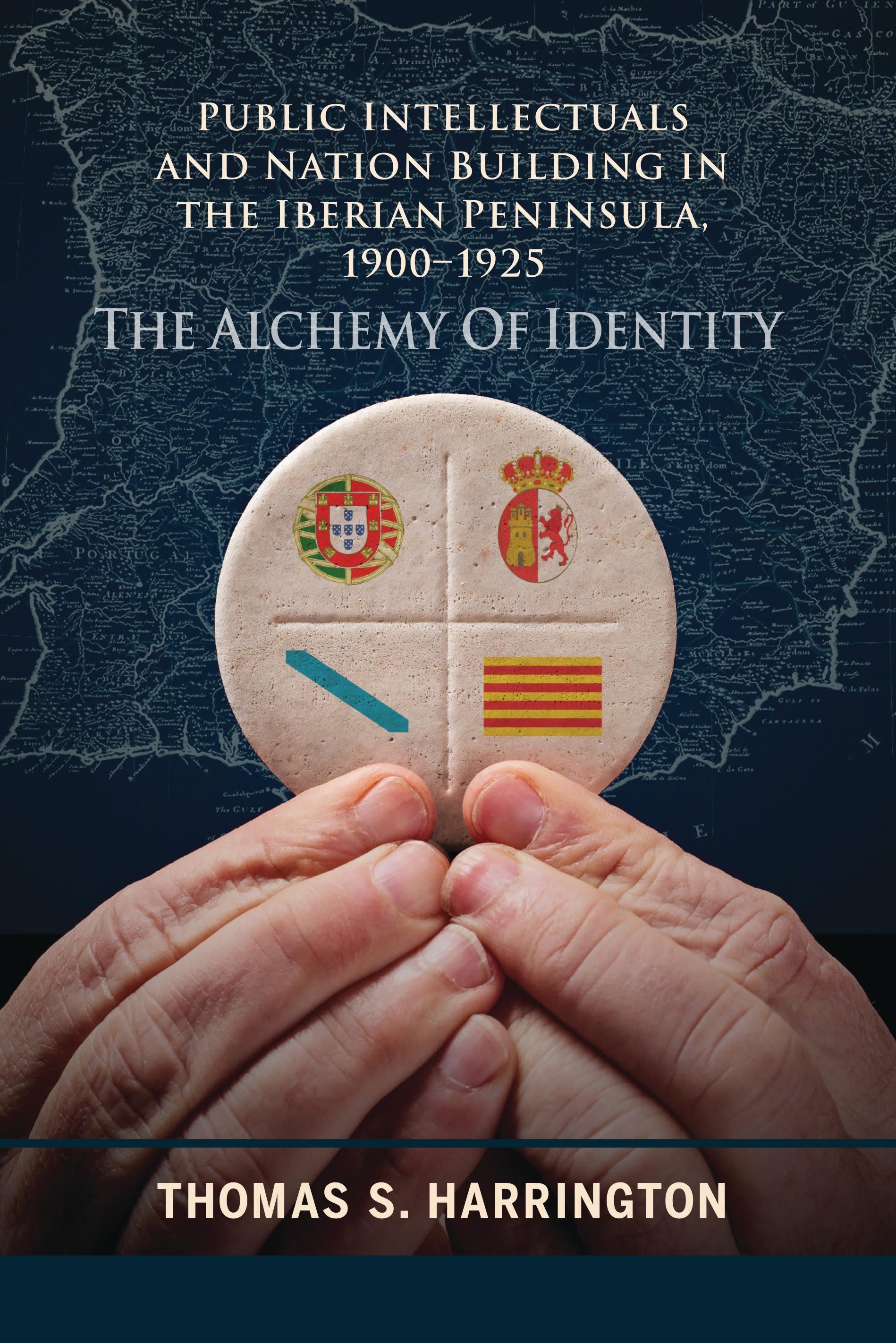
This book provides a detailed analysis of the core concepts of national identity articulated by Iberian writers during the period between 1900 and 1925. It is centered on four "pedagogical" essays written in these decades previous to the onset of authoritarian dictatorships in Spain and Portugal, works that are absolutely central to understanding the discursive architecture of collective identity in these same places today. They are as follows: Enric Prat de la Riba's La Nacionalitat Catalana (1906), Teixeira de Pascoaes' Arte de Ser Português (1915),Vicente Risco's Teoría do Nacionalismo Galego (1920), and José Ortega y Gasset's España invertebrada (1921).
The study consists of a discussion of some of the more important theoretical issues connected to social articulation of cultural identities, four chapter-long analyses of the textual manifestations of national identity within the major Romance-language communities of the Iberian peninsula, and a conclusion which underscores the key function played by these public intellectuals in establishing the parameters of the “Imagined Communities” with which they felt primarily identified.
On the most basic level, the study of these “catechistic” visions of national individuality provides a heightened sense of both the differences and commonalities inherent in the cultural traditions of these core nationality groups of the Iberian Peninsula. On another level, the study reminds us of the important pedagogical function of literature (understood here in the broadest possible sense) in the formation and maintenance of nationality identities then, as well as now.
The study consists of a discussion of some of the more important theoretical issues connected to social articulation of cultural identities, four chapter-long analyses of the textual manifestations of national identity within the major Romance-language communities of the Iberian peninsula, and a conclusion which underscores the key function played by these public intellectuals in establishing the parameters of the “Imagined Communities” with which they felt primarily identified.
On the most basic level, the study of these “catechistic” visions of national individuality provides a heightened sense of both the differences and commonalities inherent in the cultural traditions of these core nationality groups of the Iberian Peninsula. On another level, the study reminds us of the important pedagogical function of literature (understood here in the broadest possible sense) in the formation and maintenance of nationality identities then, as well as now.
Zahle einfach mit Karte, Klarna, Apple Pay oder Google Pay. Nicht zufrieden? Du hast immer ein 14-tägiges Widerrufsrecht. Lies mehr in unseren AGB. Hast du Fragen, schreib uns eine E-Mail an hello@memmo.org.
Memmo macht das Lernen einfacher – wo auch immer du bist. Bei uns findest du deine Kursbücher und smarte Lerntools an einem Ort: Zusammenfassungen, Quizzes, Podcasts und Lernkarten. Und Ted, dein Lernbuddy, beantwortet alles, was du wissen möchtest. Über 50.000 Studierende lernen bereits hier – gemacht, damit du schneller lernst und weniger Stress hast.