
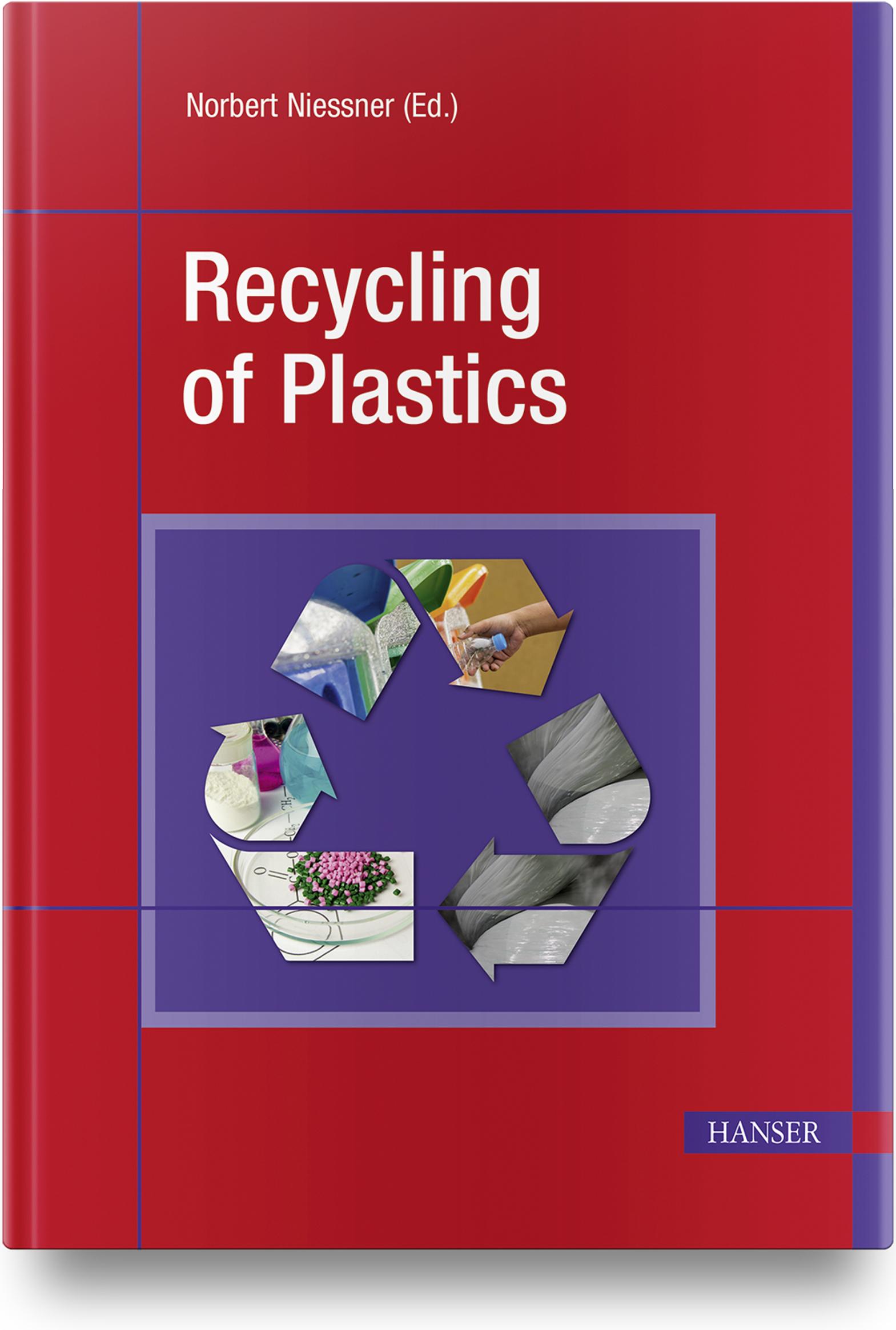
Plastics have a very important role to play in energy-efficient and low-carbon technologies of the present and future, but for them to be classified as sustainable materials, there is a great need for practical and economic recycling methods and infrastructure. This book fills the gap for a modern comprehensive technical guide to recycling of plastics, covering the whole value chain from raw materials to recycled materials.
All important recycling technologies (mechanical, chemical/feedstock, dissolution) are discussed and compared to each other and alternative disposal methods such as energy recovery and gasification. Collecting, sorting, and purification methods are also covered, as are economic, legal, and political aspects.
A strong emphasis is placed on data comparability, e.g. by standardized methods in measuring data. Although this is a challenge to implement, comparing data across technologies, regions, and stakeholders along the value chain yields important benefits. Key instruments for such a target are lifecycle assessments (LCAs), which are calculated in a standard way across the chapters to “calibrate“ the messages among the numerous expert co-authors.
Zahle einfach mit Karte, Klarna, Apple Pay oder Google Pay. Nicht zufrieden? Du hast immer ein 14-tägiges Widerrufsrecht. Lies mehr in unseren AGB. Hast du Fragen, schreib uns eine E-Mail an hello@memmo.org.
Memmo macht das Lernen einfacher – wo auch immer du bist. Bei uns findest du deine Kursbücher und smarte Lerntools an einem Ort: Zusammenfassungen, Quizzes, Podcasts und Lernkarten. Und Ted, dein Lernbuddy, beantwortet alles, was du wissen möchtest. Über 50.000 Studierende lernen bereits hier – gemacht, damit du schneller lernst und weniger Stress hast.