
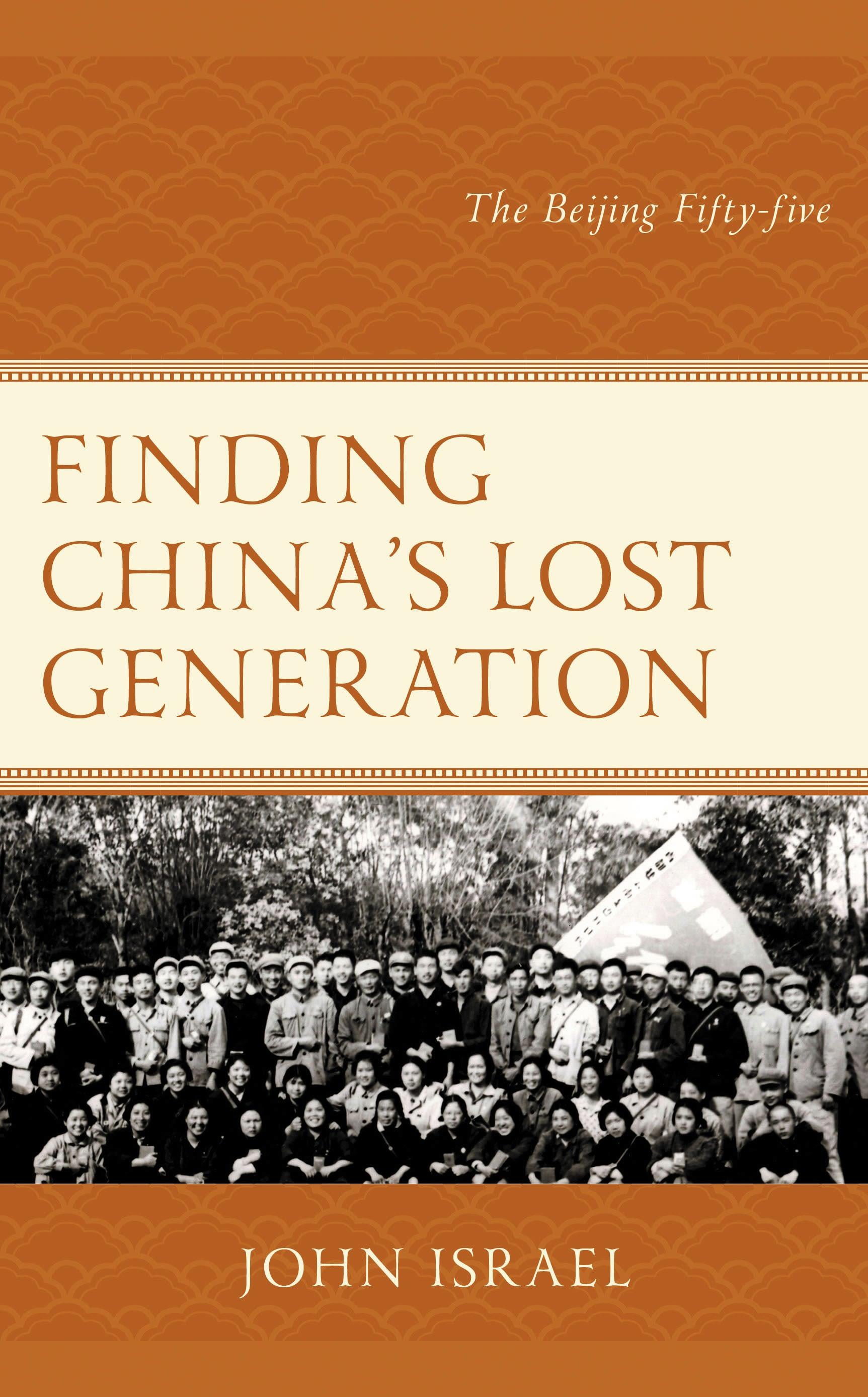
In December 1968 Mao Zedong proclaimed that China’s educated urban youth should move to the countryside to be reeducated by the poor and lower middle peasants. Some seventeen million who responded to his call spent the better part of a decade laboring in remote and impoverished regions.
Returning to the cities in the late 1970s, undereducated, unemployed, and manifestly unprepared to contribute to China’s post-Maoist future, the rusticated youth were dubbed the “Lost Generation”. How then, could China transform itself into an economic and military behemoth without the support of an entire generation of educated men and women?
A close look at a group of young Beijingers suggests that at least some of the rusticated millions reentered urban life with assets that enabled them to play a creative role. “The Beijing Fifty-five” were atypical insofar as they had volunteered to carve rubber plantations out of a tropical wilderness on China’s southwest border a year before the wave of involuntary recruits. However, their struggle to survive cultural, political, and physical challenges was typical.
Drawing from the spoken and written testimony of the Fifty-five, this book shows in dramatic detail how “The Lost Generation” survived the tribulations of the Mao years to help build today’s China.
Returning to the cities in the late 1970s, undereducated, unemployed, and manifestly unprepared to contribute to China’s post-Maoist future, the rusticated youth were dubbed the “Lost Generation”. How then, could China transform itself into an economic and military behemoth without the support of an entire generation of educated men and women?
A close look at a group of young Beijingers suggests that at least some of the rusticated millions reentered urban life with assets that enabled them to play a creative role. “The Beijing Fifty-five” were atypical insofar as they had volunteered to carve rubber plantations out of a tropical wilderness on China’s southwest border a year before the wave of involuntary recruits. However, their struggle to survive cultural, political, and physical challenges was typical.
Drawing from the spoken and written testimony of the Fifty-five, this book shows in dramatic detail how “The Lost Generation” survived the tribulations of the Mao years to help build today’s China.
Zahle einfach mit Karte, Klarna, Apple Pay oder Google Pay. Nicht zufrieden? Du hast immer ein 14-tägiges Widerrufsrecht. Lies mehr in unseren AGB. Hast du Fragen, schreib uns eine E-Mail an hello@memmo.org.
Memmo macht das Lernen einfacher – wo auch immer du bist. Bei uns findest du deine Kursbücher und smarte Lerntools an einem Ort: Zusammenfassungen, Quizzes, Podcasts und Lernkarten. Und Ted, dein Lernbuddy, beantwortet alles, was du wissen möchtest. Über 50.000 Studierende lernen bereits hier – gemacht, damit du schneller lernst und weniger Stress hast.