
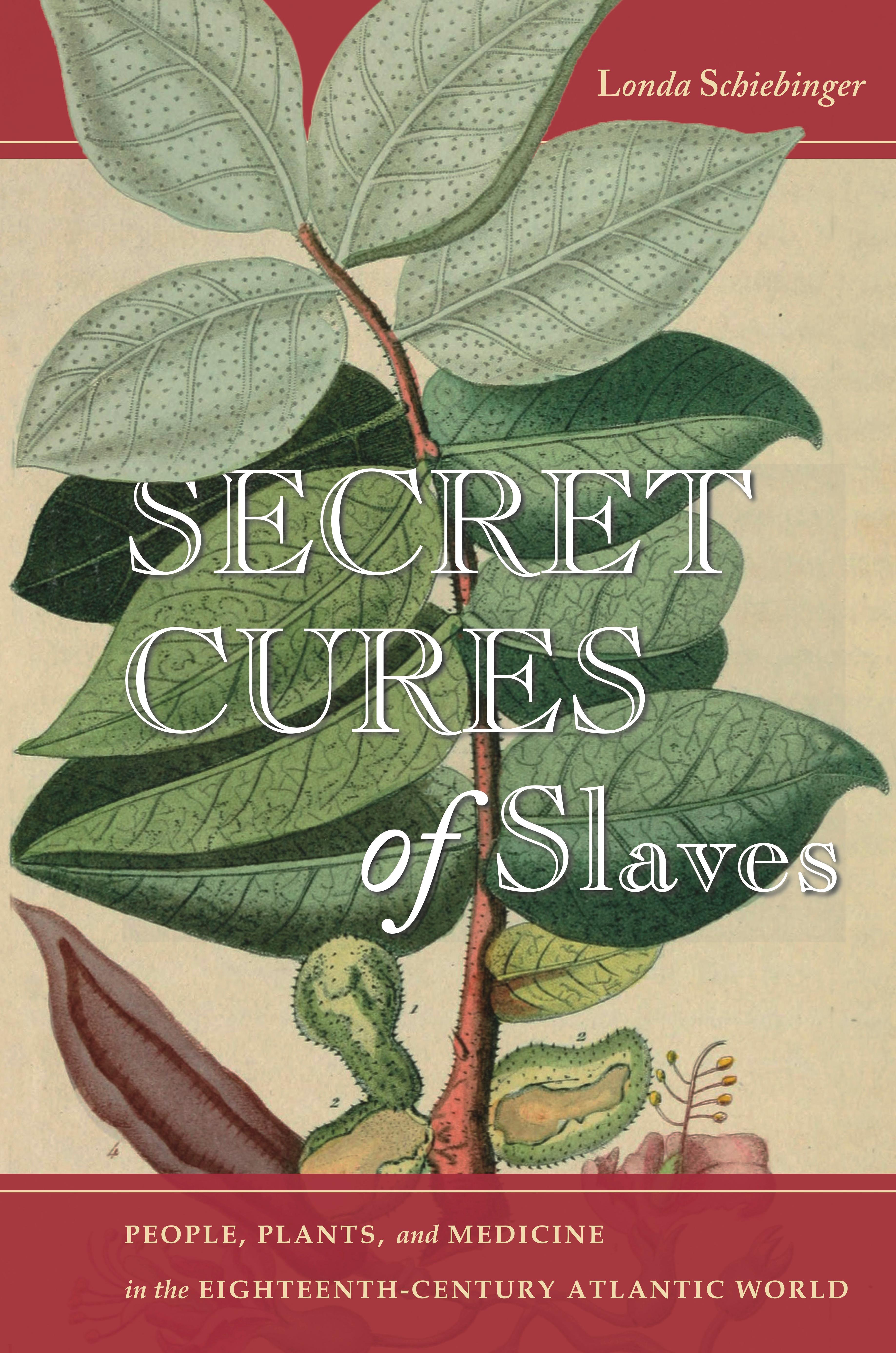
In the natural course of events, humans fall sick and die. The history of medicine bristles with attempts to find new and miraculous remedies, to work with and against nature to restore humans to health and well-being. In this book, Londa Schiebinger examines medicine and human experimentation in the Atlantic World, exploring the circulation of people, disease, plants, and knowledge between Europe, Africa, and the Americas. She traces the development of a colonial medical complex from the 1760s, when a robust experimental culture emerged in the British and French West Indies, to the early 1800s, when debates raged about banning the slave trade and, eventually, slavery itself.
Massive mortality among enslaved Africans and European planters, soldiers, and sailors fueled the search for new healing techniques. Amerindian, African, and European knowledges competed to cure diseases emerging from the collision of peoples on newly established, often poorly supplied, plantations. But not all knowledge was equal. Highlighting the violence and fear endemic to colonial struggles, Schiebinger explores aspects of African medicine that were not put to the test, such as Obeah and vodou. This book analyzes how and why specific knowledges were blocked, discredited, or held secret.
Zahle einfach mit Karte, Klarna, Apple Pay oder Google Pay. Nicht zufrieden? Du hast immer ein 14-tägiges Widerrufsrecht. Lies mehr in unseren AGB. Hast du Fragen, schreib uns eine E-Mail an hello@memmo.org.
Memmo macht das Lernen einfacher – wo auch immer du bist. Bei uns findest du deine Kursbücher und smarte Lerntools an einem Ort: Zusammenfassungen, Quizzes, Podcasts und Lernkarten. Und Ted, dein Lernbuddy, beantwortet alles, was du wissen möchtest. Über 50.000 Studierende lernen bereits hier – gemacht, damit du schneller lernst und weniger Stress hast.