
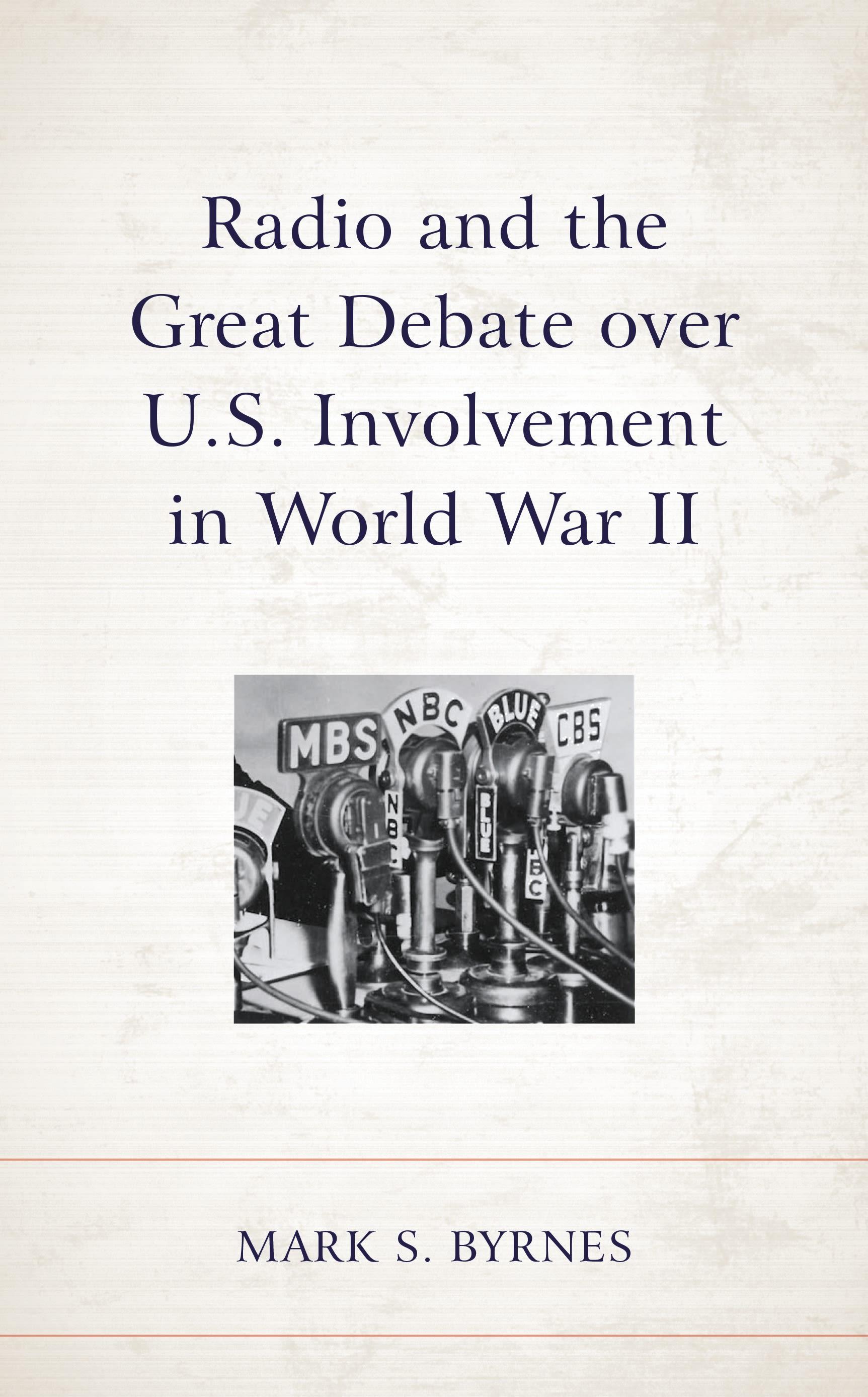
The debate over US involvement in World War II was a turning point in the history of both US foreign policy and radio. In this book the author argues that the debate’s historical significance cannot be fully appreciated unless these stories are understood in relation rather than in isolation.
All the participants in the Great Debate took for granted the importance of radio and made it central to their efforts. While they generally worked within radio’s rules, they also tried to work around or even break those rules, setting the stage for changes that ultimately altered the way media managed American political discourse.
This study breaks with traditional accounts that see radio as an industry biased in favor of interventionism. Rather, radio fully aired the opposing positions in the debate. It nonetheless failed to resolve fully their differences. Despite the initial enthusiasm for radio’s educational potential, participants on both sides came to doubt their conviction that radio could change minds. Radio increasingly became a tool to rally existing supporters more than to recruit new ones. Only events ended the debate over US involvement in World War II. The larger question—of what role the US should play in world affairs—remained.
All the participants in the Great Debate took for granted the importance of radio and made it central to their efforts. While they generally worked within radio’s rules, they also tried to work around or even break those rules, setting the stage for changes that ultimately altered the way media managed American political discourse.
This study breaks with traditional accounts that see radio as an industry biased in favor of interventionism. Rather, radio fully aired the opposing positions in the debate. It nonetheless failed to resolve fully their differences. Despite the initial enthusiasm for radio’s educational potential, participants on both sides came to doubt their conviction that radio could change minds. Radio increasingly became a tool to rally existing supporters more than to recruit new ones. Only events ended the debate over US involvement in World War II. The larger question—of what role the US should play in world affairs—remained.
Zahle einfach mit Karte, Klarna, Apple Pay oder Google Pay. Nicht zufrieden? Du hast immer ein 14-tägiges Widerrufsrecht. Lies mehr in unseren AGB. Hast du Fragen, schreib uns eine E-Mail an hello@memmo.org.
Memmo macht das Lernen einfacher – wo auch immer du bist. Bei uns findest du deine Kursbücher und smarte Lerntools an einem Ort: Zusammenfassungen, Quizzes, Podcasts und Lernkarten. Und Ted, dein Lernbuddy, beantwortet alles, was du wissen möchtest. Über 50.000 Studierende lernen bereits hier – gemacht, damit du schneller lernst und weniger Stress hast.