
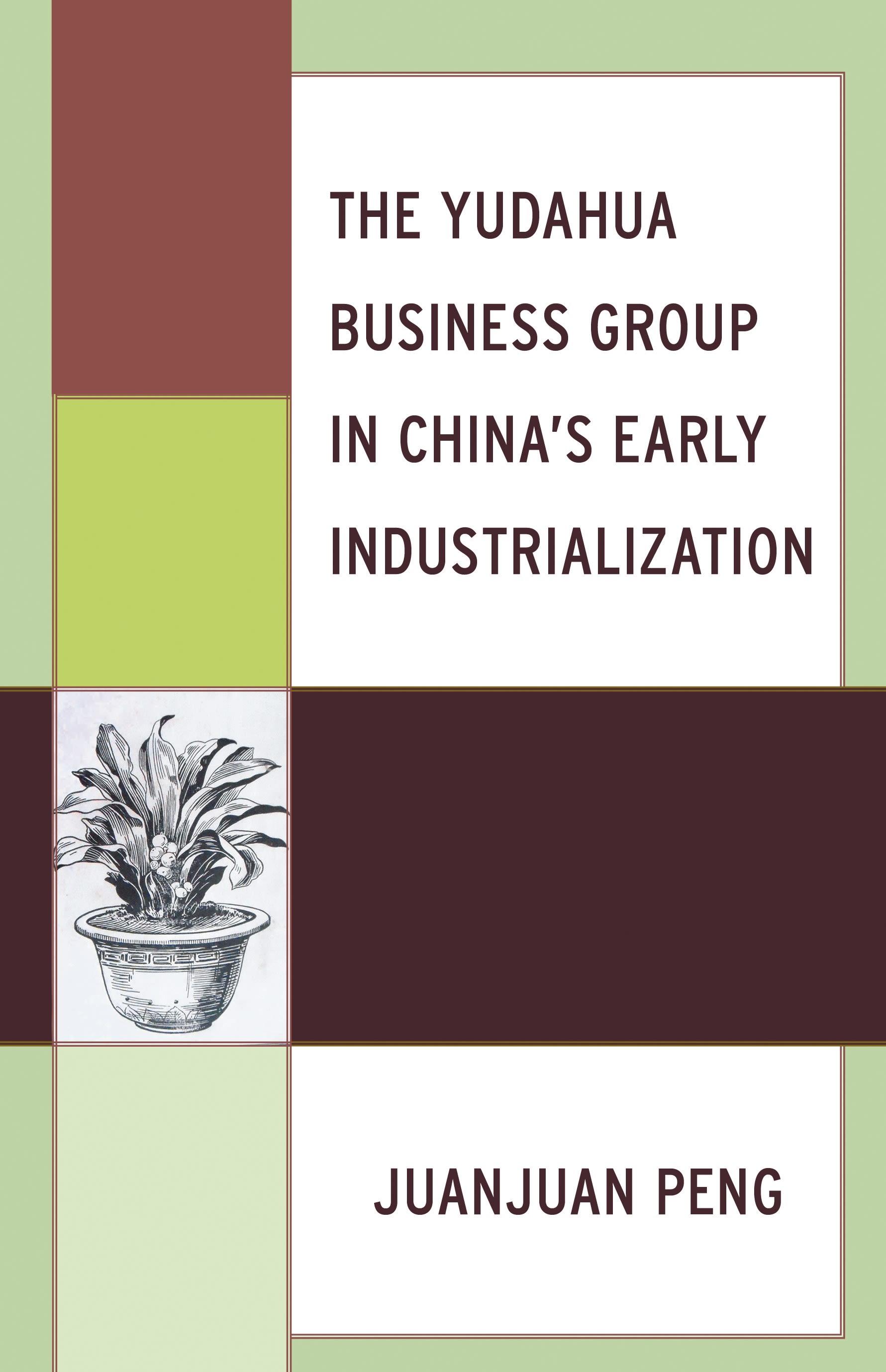
By tracing the history of Yudahua from the late nineteenth century to the middle of the twentieth century, this study analyzes a successful inland business model among textile companies in modern China. The steady growth of this enterprise relied primarily on its strategy to focus on low-end markets and to locate new mills in underdeveloped interior regions. This strategy further allowed the enterprise to pioneer industrialization in its host localities, demonstrating a major social and economic impact on the local societies. At the same time, Yudahua’s unique team leadership pattern—five leading families shared its ownership and management—made the business an atypical family firm and allowed relatively easy institutional departure from Chinese social networks and adoption of Western corporate hierarchy. Therefore, by the late 1940s, Yudahua had gradually developed into a fairly integrated business group with a unified management structure and routinized connections between its member mills, which differed noticeably from the loose alliances normally found in other early twentieth-century Chinese business conglomerates.
Zahle einfach mit Karte, Klarna, Apple Pay oder Google Pay. Nicht zufrieden? Du hast immer ein 14-tägiges Widerrufsrecht. Lies mehr in unseren AGB. Hast du Fragen, schreib uns eine E-Mail an hello@memmo.org.
Memmo macht das Lernen einfacher – wo auch immer du bist. Bei uns findest du deine Kursbücher und smarte Lerntools an einem Ort: Zusammenfassungen, Quizzes, Podcasts und Lernkarten. Und Ted, dein Lernbuddy, beantwortet alles, was du wissen möchtest. Über 50.000 Studierende lernen bereits hier – gemacht, damit du schneller lernst und weniger Stress hast.