
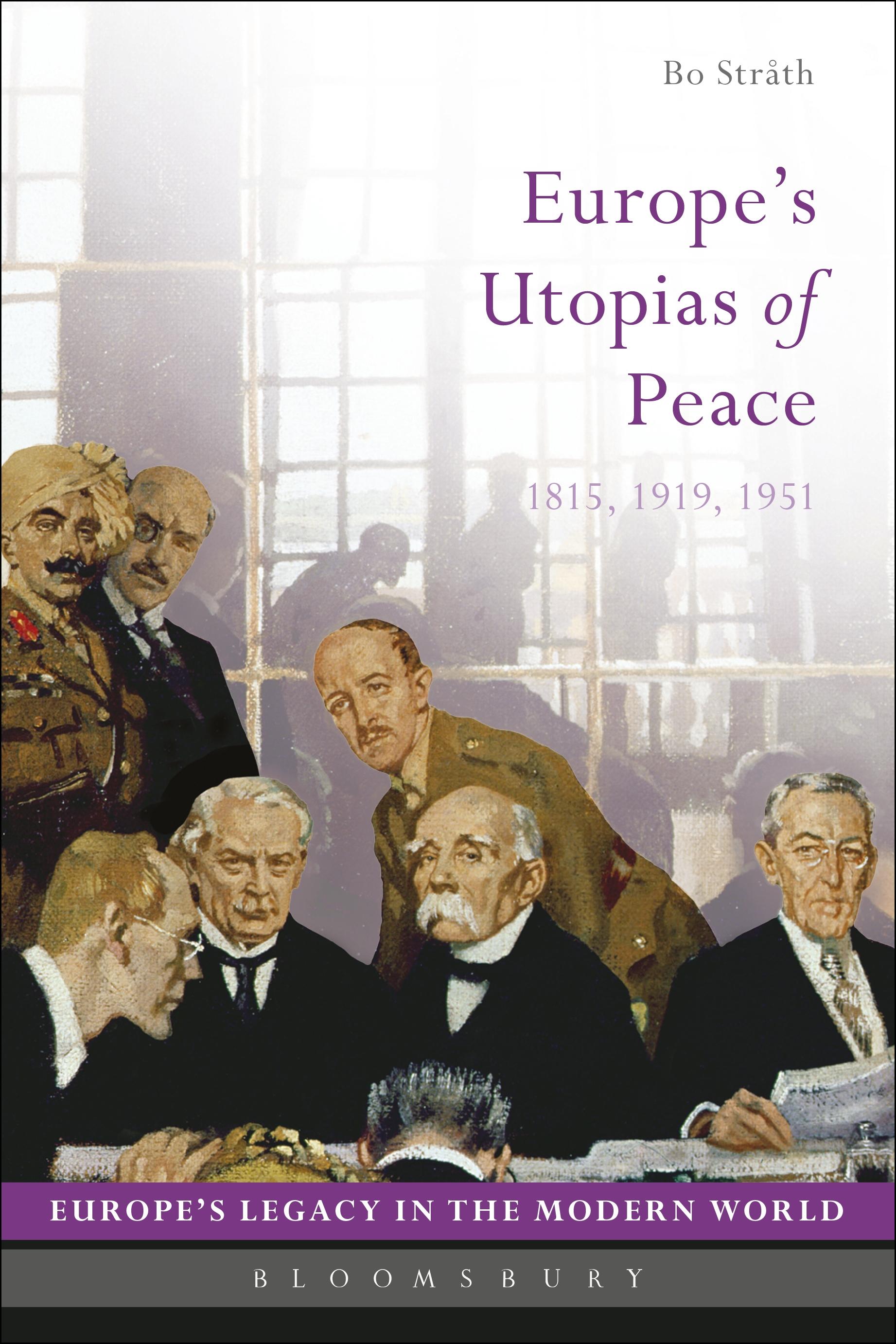
Europe's Utopias of Peace explores attempts to create a lasting European peace in the aftermath of the Napoleonic wars and the two world wars. The book charts the 250 year cycle of violent European conflicts followed by new utopian formulations for peace. The utopian illusion was that future was predictable and rules could prescribe behaviour in conflicts to come.
Bo Stråth examines the reiterative bicentenary cycle since 1815, where each new postwar period built on a design for a project for European unification. He sets out the key historical events and the continuous struggle with nationalism, linking them to legal, political and economic thought. Biographical sketches of the most prominent thinkers and actors provide the human element to this narrative.
Europe's Utopias of Peace presents a new perspective on the ideological, legal, economic and intellectual conditions that shaped Europe since the 19th century and presents this in a global context. It challenges the conventional narrative on Europe's past as a progressive enlightenment heritage, highlighting the ambiguities of the legacies that pervade the institutional structures of contemporary Europe. Its long-term historical perspective will be invaluable for students of contemporary Europe or modern European history.
Bo Stråth examines the reiterative bicentenary cycle since 1815, where each new postwar period built on a design for a project for European unification. He sets out the key historical events and the continuous struggle with nationalism, linking them to legal, political and economic thought. Biographical sketches of the most prominent thinkers and actors provide the human element to this narrative.
Europe's Utopias of Peace presents a new perspective on the ideological, legal, economic and intellectual conditions that shaped Europe since the 19th century and presents this in a global context. It challenges the conventional narrative on Europe's past as a progressive enlightenment heritage, highlighting the ambiguities of the legacies that pervade the institutional structures of contemporary Europe. Its long-term historical perspective will be invaluable for students of contemporary Europe or modern European history.
Zahle einfach mit Karte, Klarna, Apple Pay oder Google Pay. Nicht zufrieden? Du hast immer ein 14-tägiges Widerrufsrecht. Lies mehr in unseren AGB. Hast du Fragen, schreib uns eine E-Mail an hello@memmo.org.
Memmo macht das Lernen einfacher – wo auch immer du bist. Bei uns findest du deine Kursbücher und smarte Lerntools an einem Ort: Zusammenfassungen, Quizzes, Podcasts und Lernkarten. Und Ted, dein Lernbuddy, beantwortet alles, was du wissen möchtest. Über 50.000 Studierende lernen bereits hier – gemacht, damit du schneller lernst und weniger Stress hast.