
The casualty rates of the First World War were unprecedented: approximately 10 million combatants were wounded from Britain, France and Germany alone. In consequence, military-medical services expanded and the war ensured that medical professionals became firmly embedded within the armed services. In a situation of total war civilians on the home front came into more contact than before with medical professionals, and even pacifists played a significant medical role.
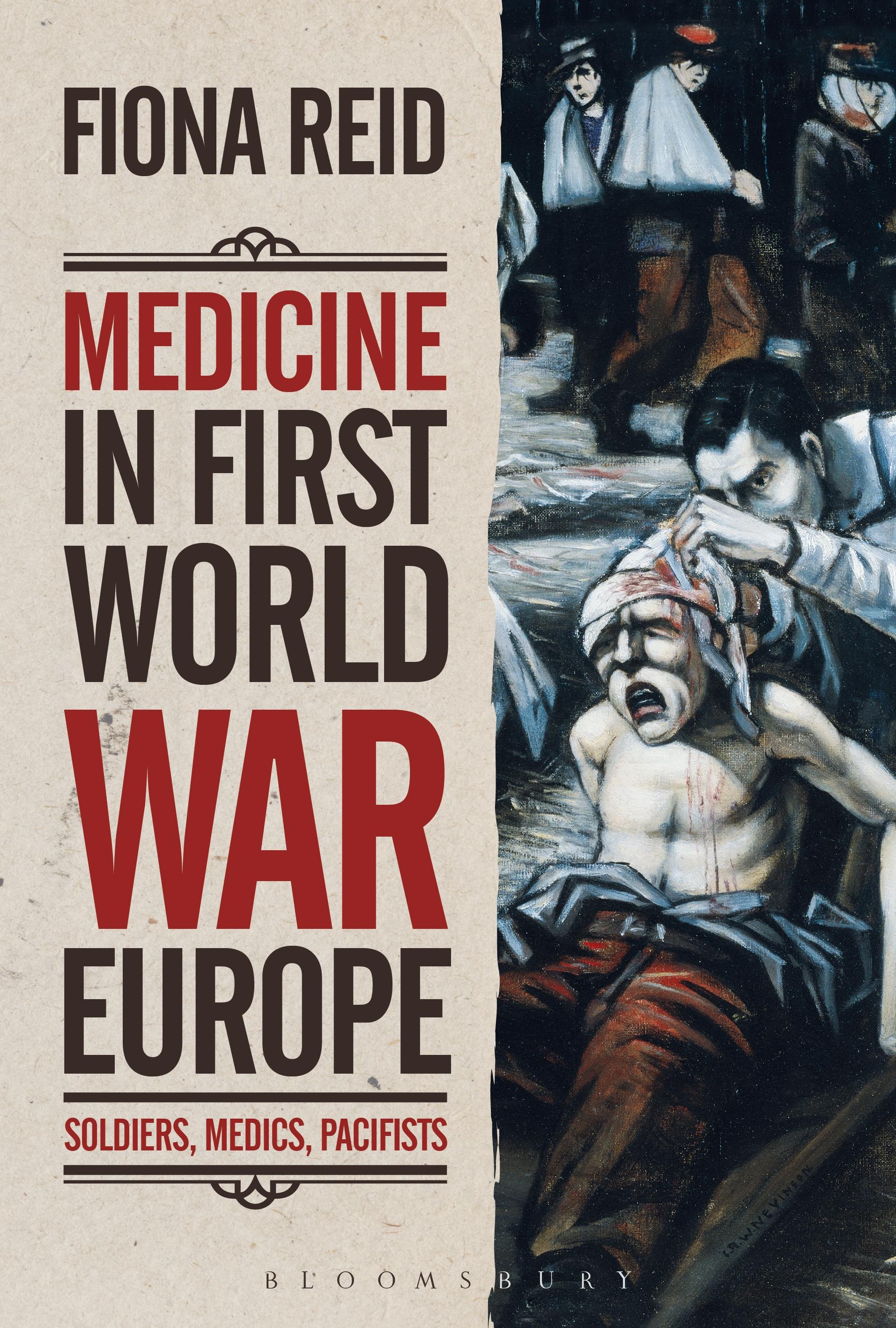
Medicine in First World War Europe re-visits the casualty clearing stations and the hospitals of the First World War, and tells the stories of those who were most directly involved: doctors, nurses, wounded men and their families. Fiona Reid explains how military medicine interacts with the concerns, the cultures and the behaviours of the civilian world, treating the history of wartime military medicine as an integral part of the wider social and cultural history of the First World War.
Medicine in First World War Europe re-visits the casualty clearing stations and the hospitals of the First World War, and tells the stories of those who were most directly involved: doctors, nurses, wounded men and their families. Fiona Reid explains how military medicine interacts with the concerns, the cultures and the behaviours of the civilian world, treating the history of wartime military medicine as an integral part of the wider social and cultural history of the First World War.
Zahle einfach mit Karte, Klarna, Apple Pay oder Google Pay. Nicht zufrieden? Du hast immer ein 14-tägiges Widerrufsrecht. Lies mehr in unseren AGB. Hast du Fragen, schreib uns eine E-Mail an hello@memmo.org.
Memmo macht das Lernen einfacher – wo auch immer du bist. Bei uns findest du deine Kursbücher und smarte Lerntools an einem Ort: Zusammenfassungen, Quizzes, Podcasts und Lernkarten. Und Ted, dein Lernbuddy, beantwortet alles, was du wissen möchtest. Über 50.000 Studierende lernen bereits hier – gemacht, damit du schneller lernst und weniger Stress hast.