
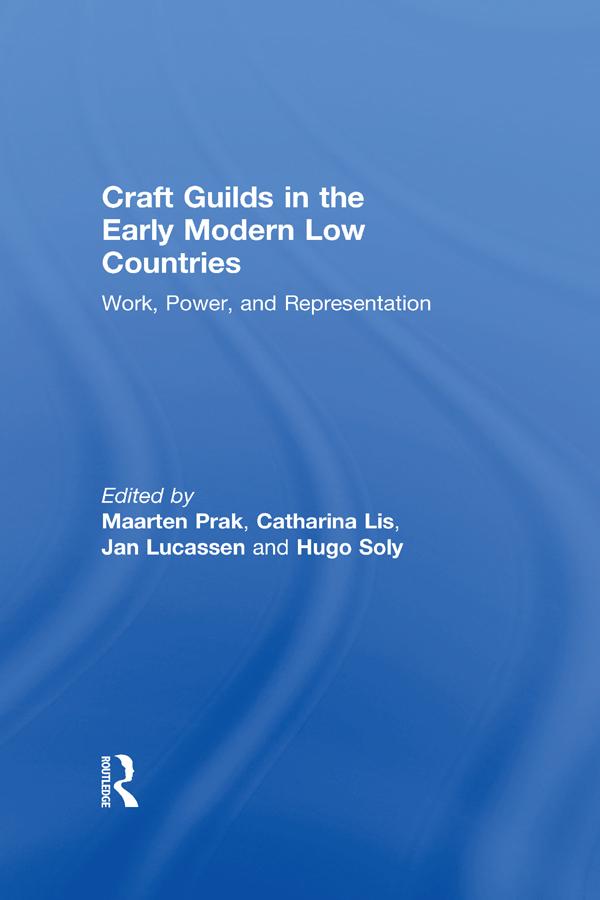
In the half millennium of their existence, guilds in the Low Countries played a highly significant role in shaping the societies of which they were a part. One key aspect that has been identified in recent historical research to explain the survival of the guilds for such a long time is the guilds' continued adaptability to changing circumstances. This idea of flexibility is the point of departure for the essays in this volume, which sheds new light on the corporate system and identifies its various features and regional variances. The contributors explore the interrelations between economic organisations and political power in late medieval and early modern towns, and address issues of gender, religion and social welfare in the context of the guilds. This cohesive and focussed volume will provide a stimulus for renewed interest and further research in this area. It will appeal to scholars and students with an interest in early modern economic, social and cultural history in particular, but will also be valuable to those researching into political, religious and gender history.
Zahle einfach mit Karte, Klarna, Apple Pay oder Google Pay. Nicht zufrieden? Du hast immer ein 14-tägiges Widerrufsrecht. Lies mehr in unseren AGB. Hast du Fragen, schreib uns eine E-Mail an hello@memmo.org.
Memmo macht das Lernen einfacher – wo auch immer du bist. Bei uns findest du deine Kursbücher und smarte Lerntools an einem Ort: Zusammenfassungen, Quizzes, Podcasts und Lernkarten. Und Ted, dein Lernbuddy, beantwortet alles, was du wissen möchtest. Über 50.000 Studierende lernen bereits hier – gemacht, damit du schneller lernst und weniger Stress hast.
Das könnte dir auch gefallen
Buch kaufen0