
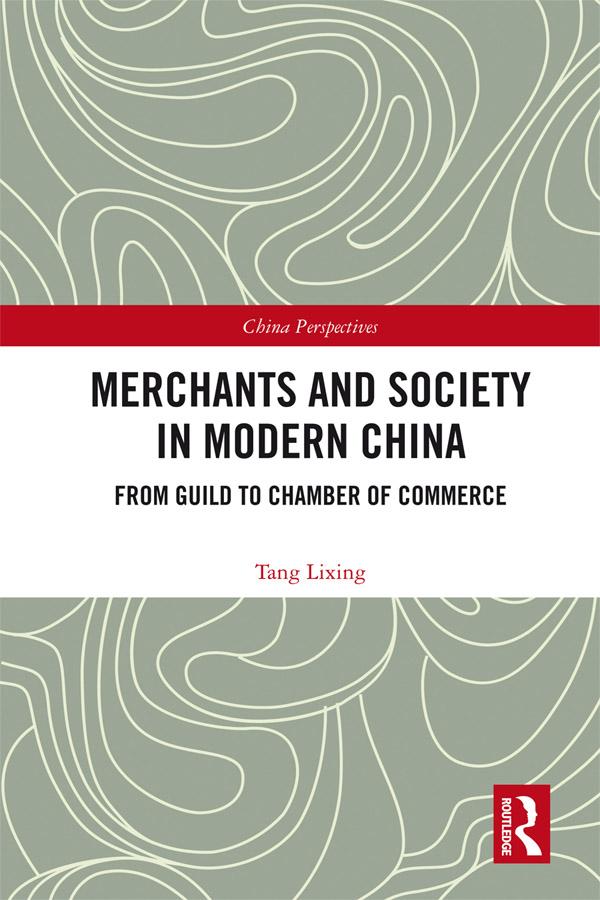
In the late nineteenth and early twentieth centuries, merchants in China were incorporated into the bourgeoisie and constituted a vital part of the upstart capitalists. The lowermost class in ancient China’s social hierarchy has thus become a strong force of social transformation in the modern era.
From the angle of the interaction between the merchant and modern society, this book examines the factors behind the rise of the merchant class in China, in terms of its cultural traits, inner structure, and business modes. First, it analyzes the features and historical standings of merchant culture which came into existence on the basis of reworking and integrating Neo-Confucianism. It argues that merchant culture pushed China’s early enlightenment movement to a new level. Then the rise of the bourgeoisie and their role in the evolution of modern Chinese society are studied thoroughly. More importantly, by examining the "golden age" of the merchant after the 1911 Revolution and its end brought by the Northern Expedition, this book studies the dilemmas faced by Chinese merchants. Finally, it probes into the reasons why it was hard for China to go beyond modern society, that is, completing the transition from commodity economy to capitalist economy.
This book will deepen the understanding of China’s merchant class and modern Chinese society. Scholars and students in economics, history, sociology, and cultural studies will be attracted by it.
Zahle einfach mit Karte, Klarna, Apple Pay oder Google Pay. Nicht zufrieden? Du hast immer ein 14-tägiges Widerrufsrecht. Lies mehr in unseren AGB. Hast du Fragen, schreib uns eine E-Mail an hello@memmo.org.
Memmo macht das Lernen einfacher – wo auch immer du bist. Bei uns findest du deine Kursbücher und smarte Lerntools an einem Ort: Zusammenfassungen, Quizzes, Podcasts und Lernkarten. Und Ted, dein Lernbuddy, beantwortet alles, was du wissen möchtest. Über 50.000 Studierende lernen bereits hier – gemacht, damit du schneller lernst und weniger Stress hast.