
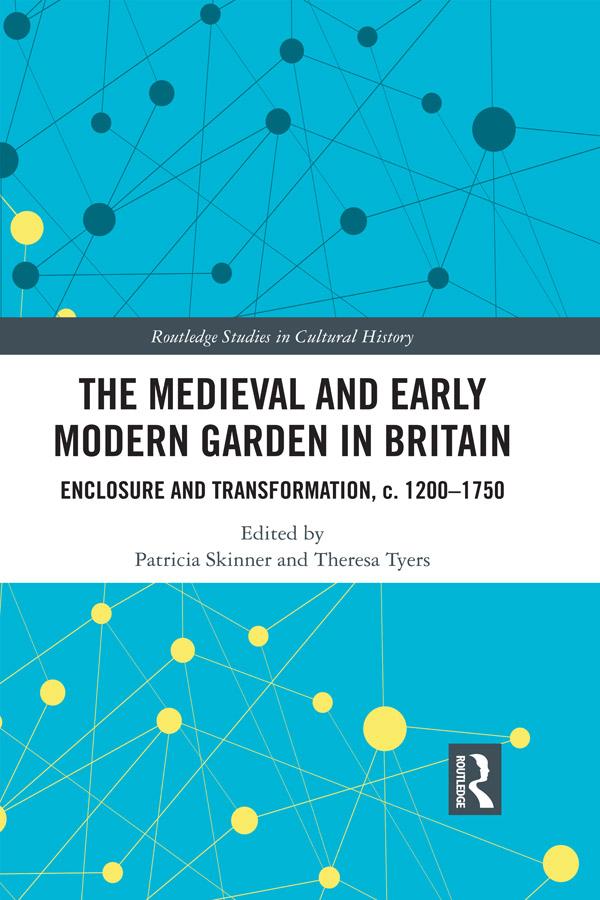
What was a "garden" in medieval and early modern British culture and how was it imagined? How did it change as Europe opened up to the wider world from the 16th century onwards? In a series of fresh approaches to these questions, the contributors offer chapters that identify and discuss newly-discovered pre-modern garden spaces in archaeology and archival sources, recognize a gendered language of the garden in fictional descriptions ("fictional" here being taken to mean any written text, regardless of its purpose), and offer new analysis of the uses to which gardens - real and imagined - might be put. Chapters investigate the definitions, forms and functions of physical gardens; explore how the material space of the garden was gendered as a secluded space for women, and as a place of recreation; examine the centrality of garden imagery in medieval Christian culture; and trace the development of garden motifs in the literary and artistic imagination to convey the sense of enclosure, transformation and release. The book uniquely underlines the current environmental "turn" in the humanities, and increasingly recognizes the value of exploring human interaction with the landscapes of the past as a route to health and well-being in the present.
Zahle einfach mit Karte, Klarna, Apple Pay oder Google Pay. Nicht zufrieden? Du hast immer ein 14-tägiges Widerrufsrecht. Lies mehr in unseren AGB. Hast du Fragen, schreib uns eine E-Mail an hello@memmo.org.
Memmo macht das Lernen einfacher – wo auch immer du bist. Bei uns findest du deine Kursbücher und smarte Lerntools an einem Ort: Zusammenfassungen, Quizzes, Podcasts und Lernkarten. Und Ted, dein Lernbuddy, beantwortet alles, was du wissen möchtest. Über 50.000 Studierende lernen bereits hier – gemacht, damit du schneller lernst und weniger Stress hast.