
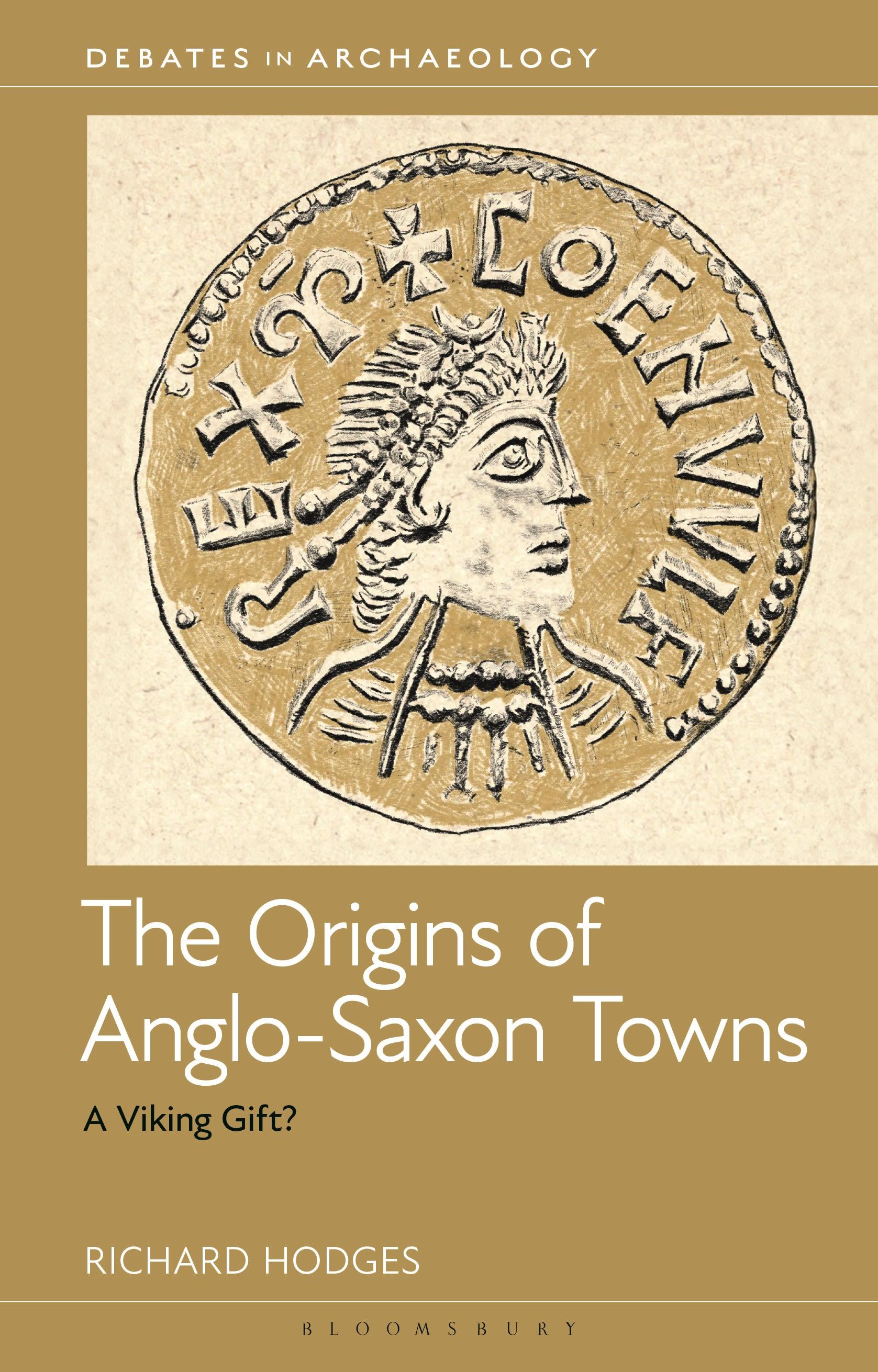
Through a reconsideration of the debate about the archaeology of Anglo-Saxon towns, Richard Hodges focuses on the origins and history of the four Middle-Saxon emporia – London, Ipswich, Southampton and York – and then the impact of the Viking Conquest in AD 866 on England's subsequent history.
To mark the occasion of the centennial of Henri Pirenne's celebrated book, Medieval Cities (1925), Hodges reviews the influence of the Scandinavian urban model on Anglo-Saxon England in line with new archaeological and numismatic evidence, tracing the importance of the Viking conquerors to the formation of towns in England. The crux of this study is to explore the question of when and how English early Medieval settlements gained a distinctive urban identity. And so, the emphasis is not just on markets and role of craftsmen, but also on civil defence.
Looking beyond England, this book proposes that the Danish urban model influenced the rise of towns in Flanders, setting an economic strategy that played a major part in the creation of what Pirenne described as 'Medieval Civilization'. By asking questions about the political and economic situation of the 7th to 10th centuries, archaeology challenges key chapters in the canonical history of not just English urbanism but also the making of the European economy.
To mark the occasion of the centennial of Henri Pirenne's celebrated book, Medieval Cities (1925), Hodges reviews the influence of the Scandinavian urban model on Anglo-Saxon England in line with new archaeological and numismatic evidence, tracing the importance of the Viking conquerors to the formation of towns in England. The crux of this study is to explore the question of when and how English early Medieval settlements gained a distinctive urban identity. And so, the emphasis is not just on markets and role of craftsmen, but also on civil defence.
Looking beyond England, this book proposes that the Danish urban model influenced the rise of towns in Flanders, setting an economic strategy that played a major part in the creation of what Pirenne described as 'Medieval Civilization'. By asking questions about the political and economic situation of the 7th to 10th centuries, archaeology challenges key chapters in the canonical history of not just English urbanism but also the making of the European economy.
Zahle einfach mit Karte, Klarna, Apple Pay oder Google Pay. Nicht zufrieden? Du hast immer ein 14-tägiges Widerrufsrecht. Lies mehr in unseren AGB. Hast du Fragen, schreib uns eine E-Mail an hello@memmo.org.
Memmo macht das Lernen einfacher – wo auch immer du bist. Bei uns findest du deine Kursbücher und smarte Lerntools an einem Ort: Zusammenfassungen, Quizzes, Podcasts und Lernkarten. Und Ted, dein Lernbuddy, beantwortet alles, was du wissen möchtest. Über 50.000 Studierende lernen bereits hier – gemacht, damit du schneller lernst und weniger Stress hast.