
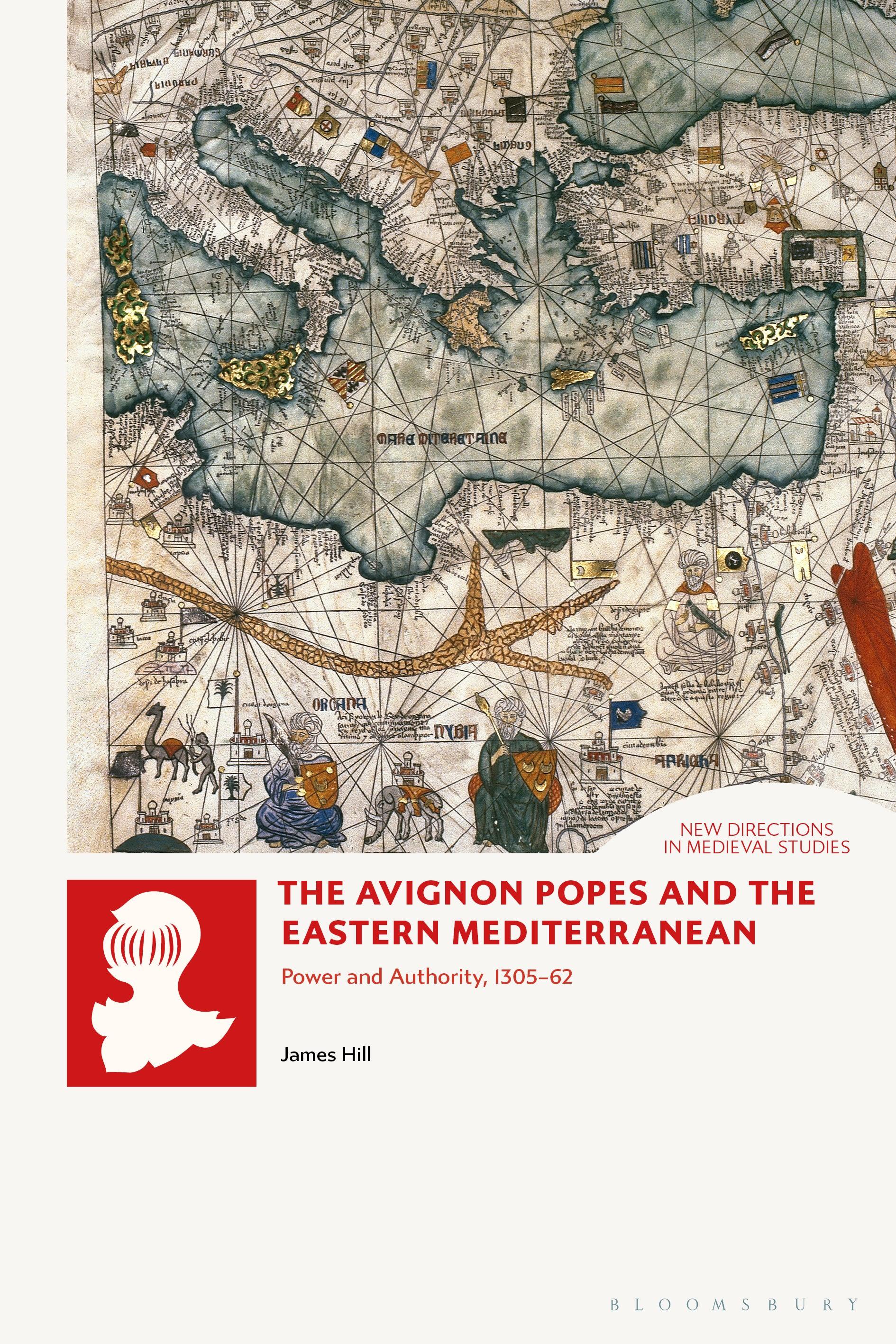
An exploration of how popes attempted to construct, maintain, and represent their power beyond Europe's eastern frontiers during the Avignon period of the 14th century.
After the main, numbered, crusades concluded with the loss of the Holy Land at the end of the 13th century, the papacy did not withdraw from or scale back its interests and activities in the Eastern Mediterranean. As the papacy moved to Avignon in 1305, in part to be nearer the increasingly troublesome Western and Northern European kingdoms, it maintained strong ties with the East and claimed control over a wide range of activities in the Eastern Mediterranean. This book, based primarily on the letters sent by the popes in the Vatican Archives, explores the power and authority of the popes in their attempts at influencing events in the Eastern Mediterranean during the 14th century.
The Avignon Popes and the Eastern Mediterranean explores a wide set of circumstances and situations, taking into account efforts to control Latin activity beyond Europe, how the popes interacted with and attempted to control non-Latin Churches, and how the popes acted as a Europe-wide political body in diplomatic activities with the Mamluks and the Mongols. James Hill looks at how, in its dealings with the wider world, the papacy continuously encountered the same issue: its position as head of the Church gave it significant authority, but it was often unable to compel actions it wanted. Hill expertly charts how the popes attempted to use their authority to achieve concrete results, and the extent to which those attempts were successful.
After the main, numbered, crusades concluded with the loss of the Holy Land at the end of the 13th century, the papacy did not withdraw from or scale back its interests and activities in the Eastern Mediterranean. As the papacy moved to Avignon in 1305, in part to be nearer the increasingly troublesome Western and Northern European kingdoms, it maintained strong ties with the East and claimed control over a wide range of activities in the Eastern Mediterranean. This book, based primarily on the letters sent by the popes in the Vatican Archives, explores the power and authority of the popes in their attempts at influencing events in the Eastern Mediterranean during the 14th century.
The Avignon Popes and the Eastern Mediterranean explores a wide set of circumstances and situations, taking into account efforts to control Latin activity beyond Europe, how the popes interacted with and attempted to control non-Latin Churches, and how the popes acted as a Europe-wide political body in diplomatic activities with the Mamluks and the Mongols. James Hill looks at how, in its dealings with the wider world, the papacy continuously encountered the same issue: its position as head of the Church gave it significant authority, but it was often unable to compel actions it wanted. Hill expertly charts how the popes attempted to use their authority to achieve concrete results, and the extent to which those attempts were successful.
Zahle einfach mit Karte, Klarna, Apple Pay oder Google Pay. Nicht zufrieden? Du hast immer ein 14-tägiges Widerrufsrecht. Lies mehr in unseren AGB. Hast du Fragen, schreib uns eine E-Mail an hello@memmo.org.
Memmo macht das Lernen einfacher – wo auch immer du bist. Bei uns findest du deine Kursbücher und smarte Lerntools an einem Ort: Zusammenfassungen, Quizzes, Podcasts und Lernkarten. Und Ted, dein Lernbuddy, beantwortet alles, was du wissen möchtest. Über 50.000 Studierende lernen bereits hier – gemacht, damit du schneller lernst und weniger Stress hast.