
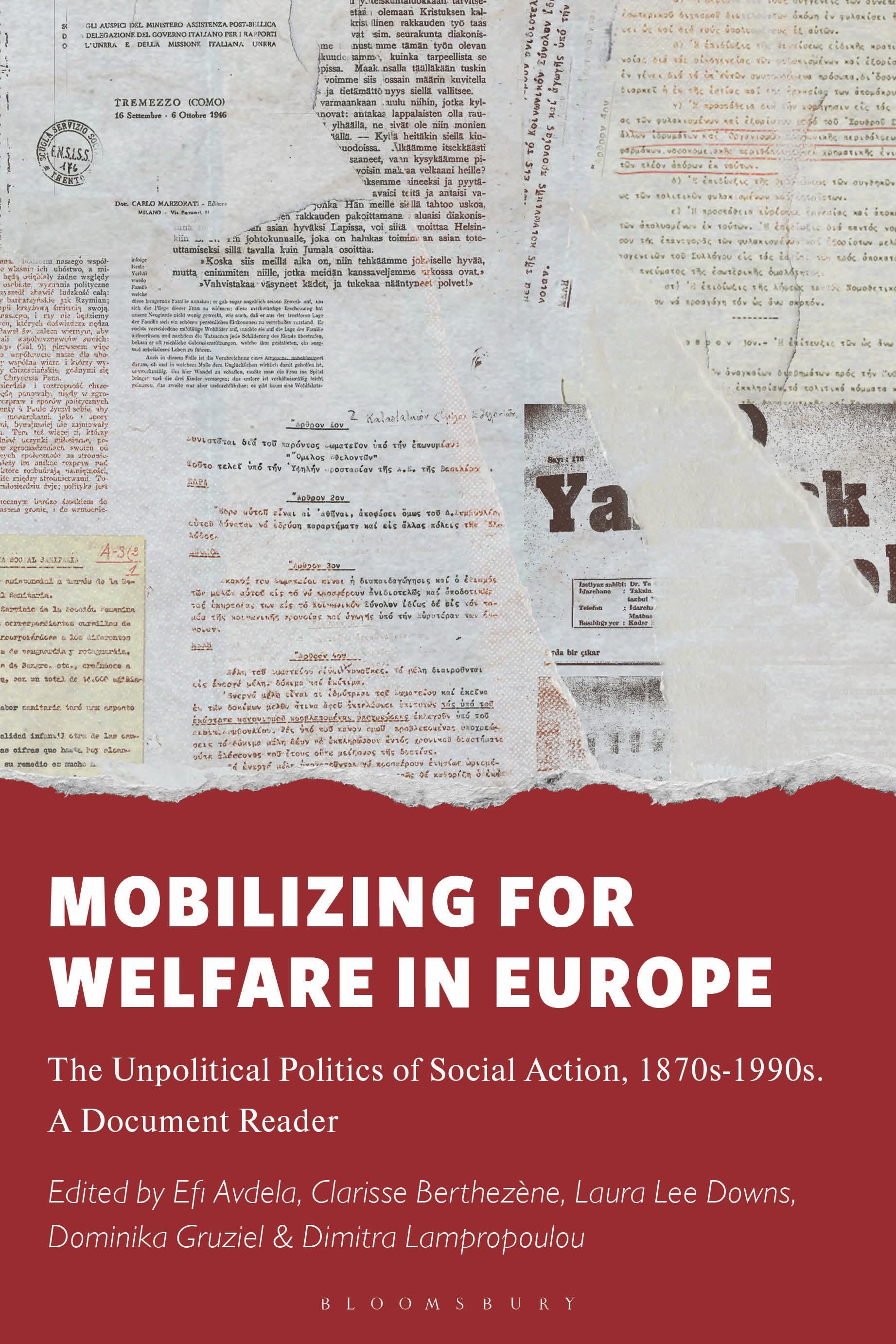
This is an engaging collection of 20 primary sources that provide insights into different approaches to social welfare from around Europe in the long 20th century, focusing particularly on marginalized groups.
Each chapter sheds light on a case of collective welfare action, and includes translated archival documents, alongside commentary that contextualises each case, and examines its socio-political underpinnings. This volume explores sources from 12 European countries, capturing historical approaches to collective action, and encompassing a plethora of welfare issues – such as religious and secular philanthropy, youth protection, gender history, and campaigns for prison reform. The result is a detailed study of the social welfare state in Europe.
With every source accompanied by an analysis of the ideas, ambitions, and practices of the actors themselves, in addition to an exploration of the larger regional context that influenced each pattern of collective mobilization, the editors highlight the distinction between the social and the political that underlies many forms of action undertaken in the field. Using the idea of 'unpolitical politics' as a new lens through which to explore the development of social welfare in a number of European contexts, this volume analyses who and what purports to be 'neutral', and why.
Each chapter sheds light on a case of collective welfare action, and includes translated archival documents, alongside commentary that contextualises each case, and examines its socio-political underpinnings. This volume explores sources from 12 European countries, capturing historical approaches to collective action, and encompassing a plethora of welfare issues – such as religious and secular philanthropy, youth protection, gender history, and campaigns for prison reform. The result is a detailed study of the social welfare state in Europe.
With every source accompanied by an analysis of the ideas, ambitions, and practices of the actors themselves, in addition to an exploration of the larger regional context that influenced each pattern of collective mobilization, the editors highlight the distinction between the social and the political that underlies many forms of action undertaken in the field. Using the idea of 'unpolitical politics' as a new lens through which to explore the development of social welfare in a number of European contexts, this volume analyses who and what purports to be 'neutral', and why.
Zahle einfach mit Karte, Klarna, Apple Pay oder Google Pay. Nicht zufrieden? Du hast immer ein 14-tägiges Widerrufsrecht. Lies mehr in unseren AGB. Hast du Fragen, schreib uns eine E-Mail an hello@memmo.org.
Memmo macht das Lernen einfacher – wo auch immer du bist. Bei uns findest du deine Kursbücher und smarte Lerntools an einem Ort: Zusammenfassungen, Quizzes, Podcasts und Lernkarten. Und Ted, dein Lernbuddy, beantwortet alles, was du wissen möchtest. Über 50.000 Studierende lernen bereits hier – gemacht, damit du schneller lernst und weniger Stress hast.