
Winner of the 2025 Marilyn Lake Prize for Australian Transnational History
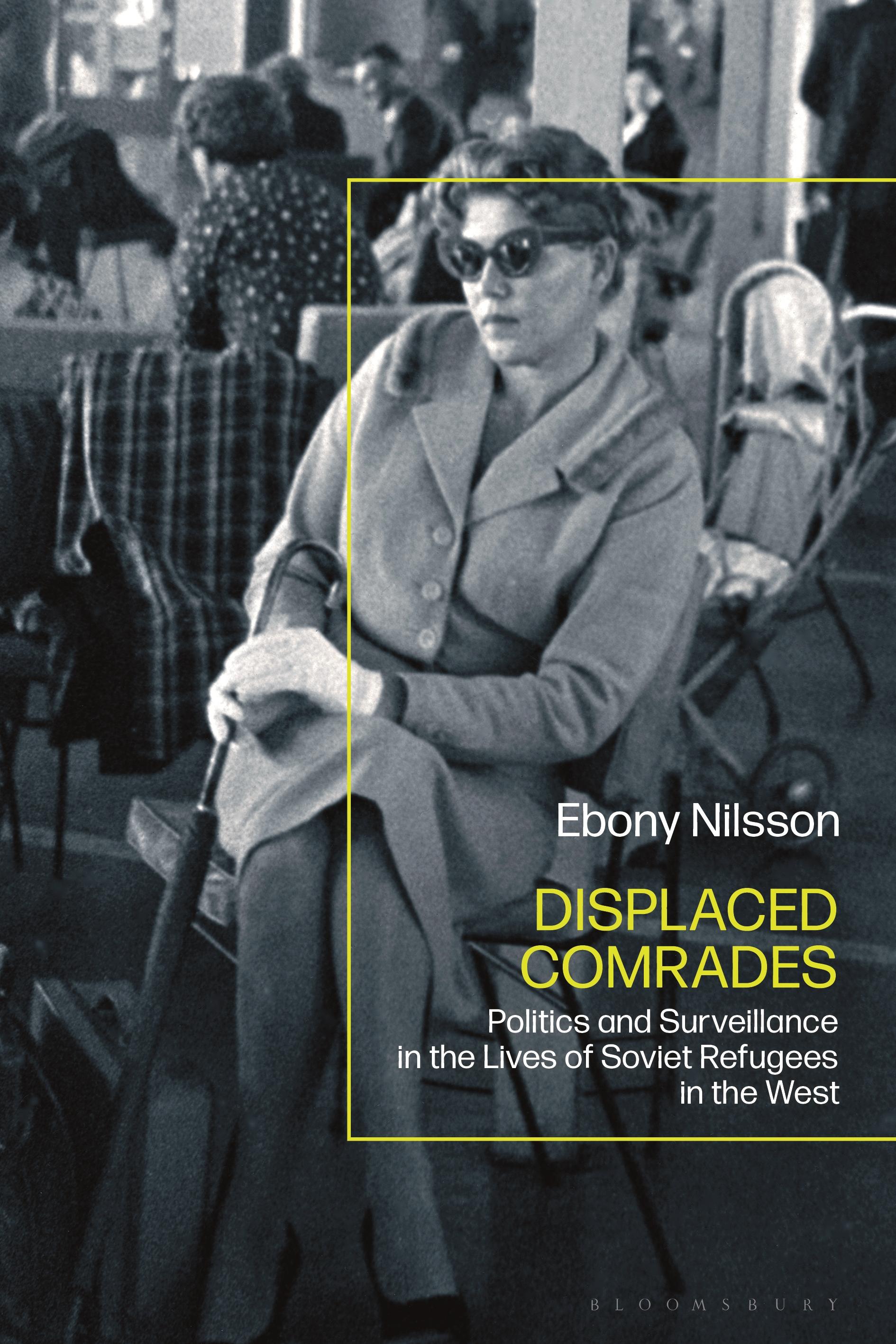
This book explores the lives of left-wing Soviet refugees who fled the Cold War to settle in Australia, and uncovers how they adjusted to life under surveillance in the West. As Cold War tensions built in the postwar years, many of these refugees happily resettled in the West as model refugees, proof of capitalist countries' superiority. But for a few, this was not the case. Displaced Comrades provides an account of these Cold War misfits, those refugees who fled East for West, but remained left-wing or pro-Soviet.
Drawing on interviews, government records and surveillance dossiers from multiple continents this book explores how these refugees' ideas took root in new ways. As these radical ideas drew suspicion from western intelligence these everyday lives were put under surveillance, shadowed by the persistent threat of espionage. With unprecented access to intelligence records, Nilsson focuses on how a number of these left-wing refugees adjusted to life in Australia, opening up a previously invisible segment of postwar migration history, and offering a new exploration of life as a Soviet 'enemy alien' in the West.
This book explores the lives of left-wing Soviet refugees who fled the Cold War to settle in Australia, and uncovers how they adjusted to life under surveillance in the West. As Cold War tensions built in the postwar years, many of these refugees happily resettled in the West as model refugees, proof of capitalist countries' superiority. But for a few, this was not the case. Displaced Comrades provides an account of these Cold War misfits, those refugees who fled East for West, but remained left-wing or pro-Soviet.
Drawing on interviews, government records and surveillance dossiers from multiple continents this book explores how these refugees' ideas took root in new ways. As these radical ideas drew suspicion from western intelligence these everyday lives were put under surveillance, shadowed by the persistent threat of espionage. With unprecented access to intelligence records, Nilsson focuses on how a number of these left-wing refugees adjusted to life in Australia, opening up a previously invisible segment of postwar migration history, and offering a new exploration of life as a Soviet 'enemy alien' in the West.
Zahle einfach mit Karte, Klarna, Apple Pay oder Google Pay. Nicht zufrieden? Du hast immer ein 14-tägiges Widerrufsrecht. Lies mehr in unseren AGB. Hast du Fragen, schreib uns eine E-Mail an hello@memmo.org.
Memmo macht das Lernen einfacher – wo auch immer du bist. Bei uns findest du deine Kursbücher und smarte Lerntools an einem Ort: Zusammenfassungen, Quizzes, Podcasts und Lernkarten. Und Ted, dein Lernbuddy, beantwortet alles, was du wissen möchtest. Über 50.000 Studierende lernen bereits hier – gemacht, damit du schneller lernst und weniger Stress hast.