
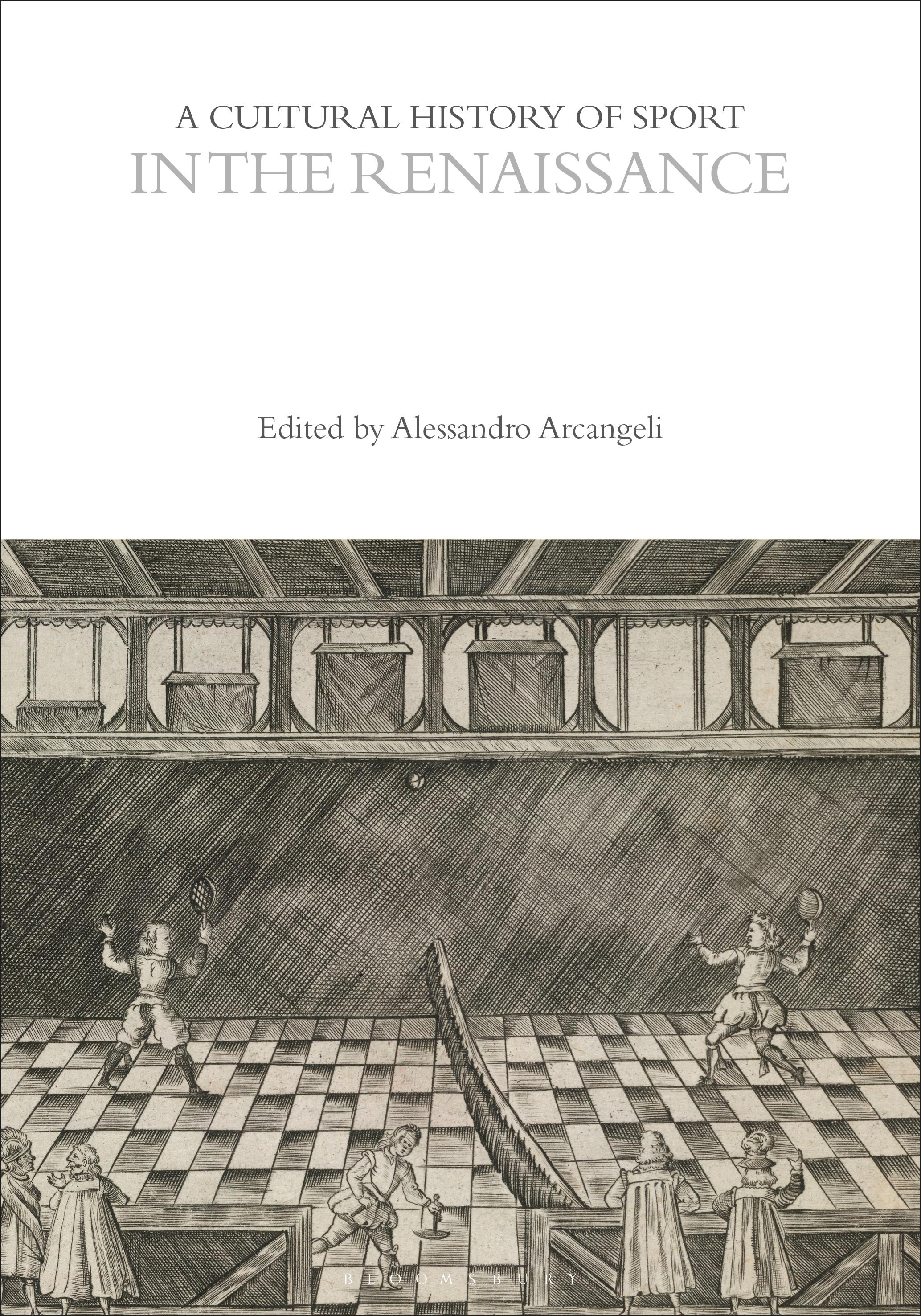
A Cultural History of Sport in the Renaissance covers the period 1450 to 1650. Outwardly, Renaissance sports resembled their medieval forebears, but the incorporation of athletics into the educational curriculum signalled a change. As part of the scientific revolution, sport now became the object of intellectual analysis. Numerous books were written on the medical benefits of sport and on the best way to joust, fence, train horses and ride, play ball games, swim, practice archery, wrestle, or become an acrobat. Sport became the visible sign of the mind's control over the physical body, such control often becoming an end in itself with some sports shaped more by decorum than exercise.
The 6 volume set of the Cultural History of Sport presents the first comprehensive history from classical antiquity to today, covering all forms and aspects of sport and its ever-changing social, cultural, political, and economic context and impact. The themes covered in each volume are the purpose of sport; sporting time and sporting space; products, training and technology; rules and order; conflict and accommodation; inclusion, exclusion and segregation; minds, bodies and identities; representation.
Alessandro Arcangeli is Associate Professor at the University of Verona, Italy.
Volume 3 in the Cultural History of Sport set
General Editors: Wray Vamplew, Mark Dyreson, and John McClelland
The 6 volume set of the Cultural History of Sport presents the first comprehensive history from classical antiquity to today, covering all forms and aspects of sport and its ever-changing social, cultural, political, and economic context and impact. The themes covered in each volume are the purpose of sport; sporting time and sporting space; products, training and technology; rules and order; conflict and accommodation; inclusion, exclusion and segregation; minds, bodies and identities; representation.
Alessandro Arcangeli is Associate Professor at the University of Verona, Italy.
Volume 3 in the Cultural History of Sport set
General Editors: Wray Vamplew, Mark Dyreson, and John McClelland
Zahle einfach mit Karte, Klarna, Apple Pay oder Google Pay. Nicht zufrieden? Du hast immer ein 14-tägiges Widerrufsrecht. Lies mehr in unseren AGB. Hast du Fragen, schreib uns eine E-Mail an hello@memmo.org.
Memmo macht das Lernen einfacher – wo auch immer du bist. Bei uns findest du deine Kursbücher und smarte Lerntools an einem Ort: Zusammenfassungen, Quizzes, Podcasts und Lernkarten. Und Ted, dein Lernbuddy, beantwortet alles, was du wissen möchtest. Über 50.000 Studierende lernen bereits hier – gemacht, damit du schneller lernst und weniger Stress hast.