
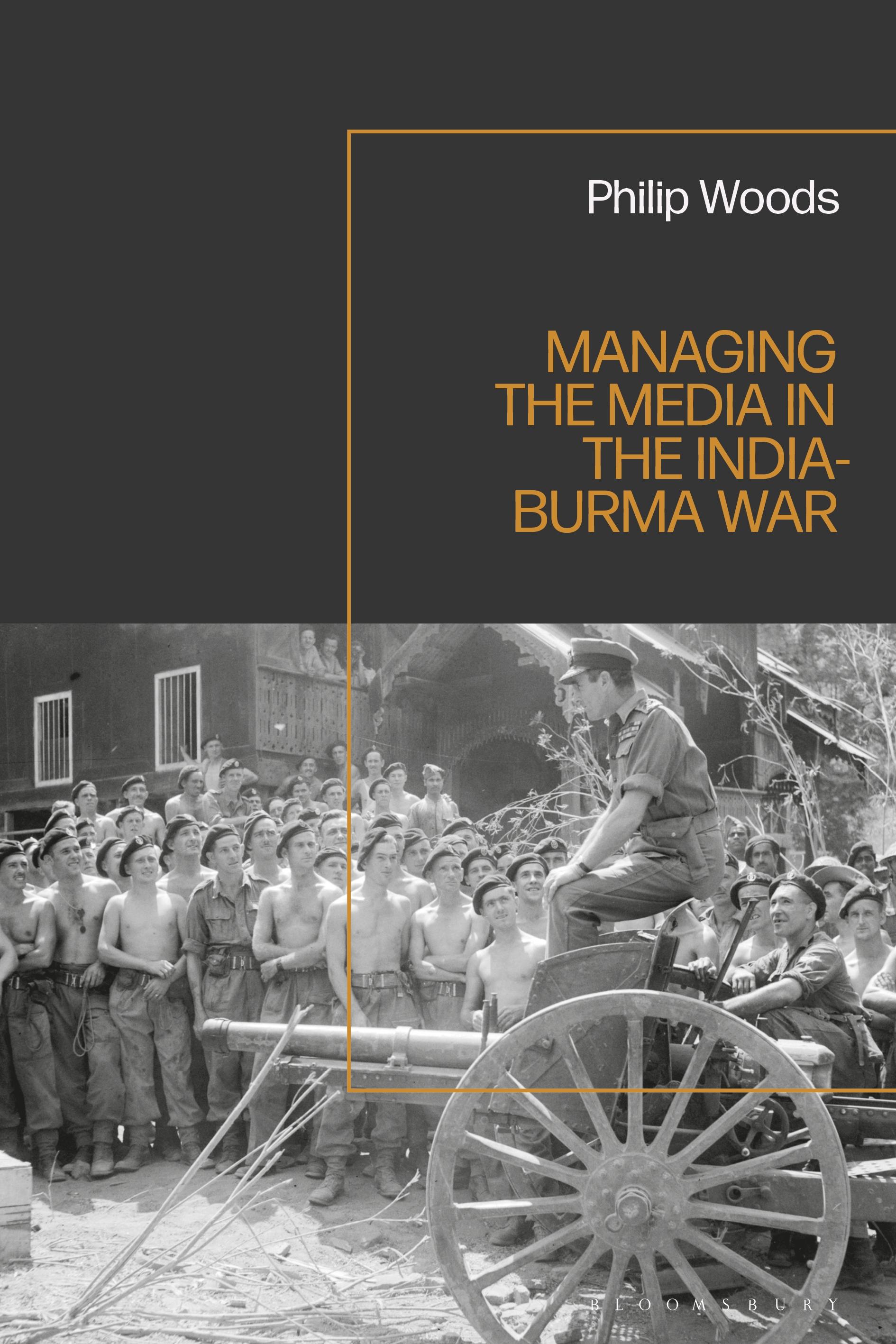
This book explores how the media was used by the armed forces during the India-Burma campaigns of WWII to project the most positive image to domestic and international audiences of a war that often seemed neglected or misunderstood. Discussing how soldiers were, for the first time, able to access newspapers and radio broadcasts relating stories of the campaigns they were actively fighting in, Managing the Media in the India-Burma War reveals not only the impact that the media had in maintaining troop morale, but how the military recognised that the media could be a valuable arm of warfare.
Revealing how troops responded to reports of their operations, Philip Woods demonstrates the role of the media in creating the 'Forgotten Army' syndrome, which came about in the last two years of the Burma campaign. Focusing on the British Media, but with examples from the United States and India, including Indian war correspondents, it discusses India's role in the Second World War in relation to social, economic and political developments at the time. Honing in on India and Burma at a turning point in their road to independence, this book offers a fresh angle on a well-known military conflict, unpicks the various constraints and influences on the media in wartime, and links the campaign to India's crucial role in WWII.
Revealing how troops responded to reports of their operations, Philip Woods demonstrates the role of the media in creating the 'Forgotten Army' syndrome, which came about in the last two years of the Burma campaign. Focusing on the British Media, but with examples from the United States and India, including Indian war correspondents, it discusses India's role in the Second World War in relation to social, economic and political developments at the time. Honing in on India and Burma at a turning point in their road to independence, this book offers a fresh angle on a well-known military conflict, unpicks the various constraints and influences on the media in wartime, and links the campaign to India's crucial role in WWII.
Zahle einfach mit Karte, Klarna, Apple Pay oder Google Pay. Nicht zufrieden? Du hast immer ein 14-tägiges Widerrufsrecht. Lies mehr in unseren AGB. Hast du Fragen, schreib uns eine E-Mail an hello@memmo.org.
Memmo macht das Lernen einfacher – wo auch immer du bist. Bei uns findest du deine Kursbücher und smarte Lerntools an einem Ort: Zusammenfassungen, Quizzes, Podcasts und Lernkarten. Und Ted, dein Lernbuddy, beantwortet alles, was du wissen möchtest. Über 50.000 Studierende lernen bereits hier – gemacht, damit du schneller lernst und weniger Stress hast.