
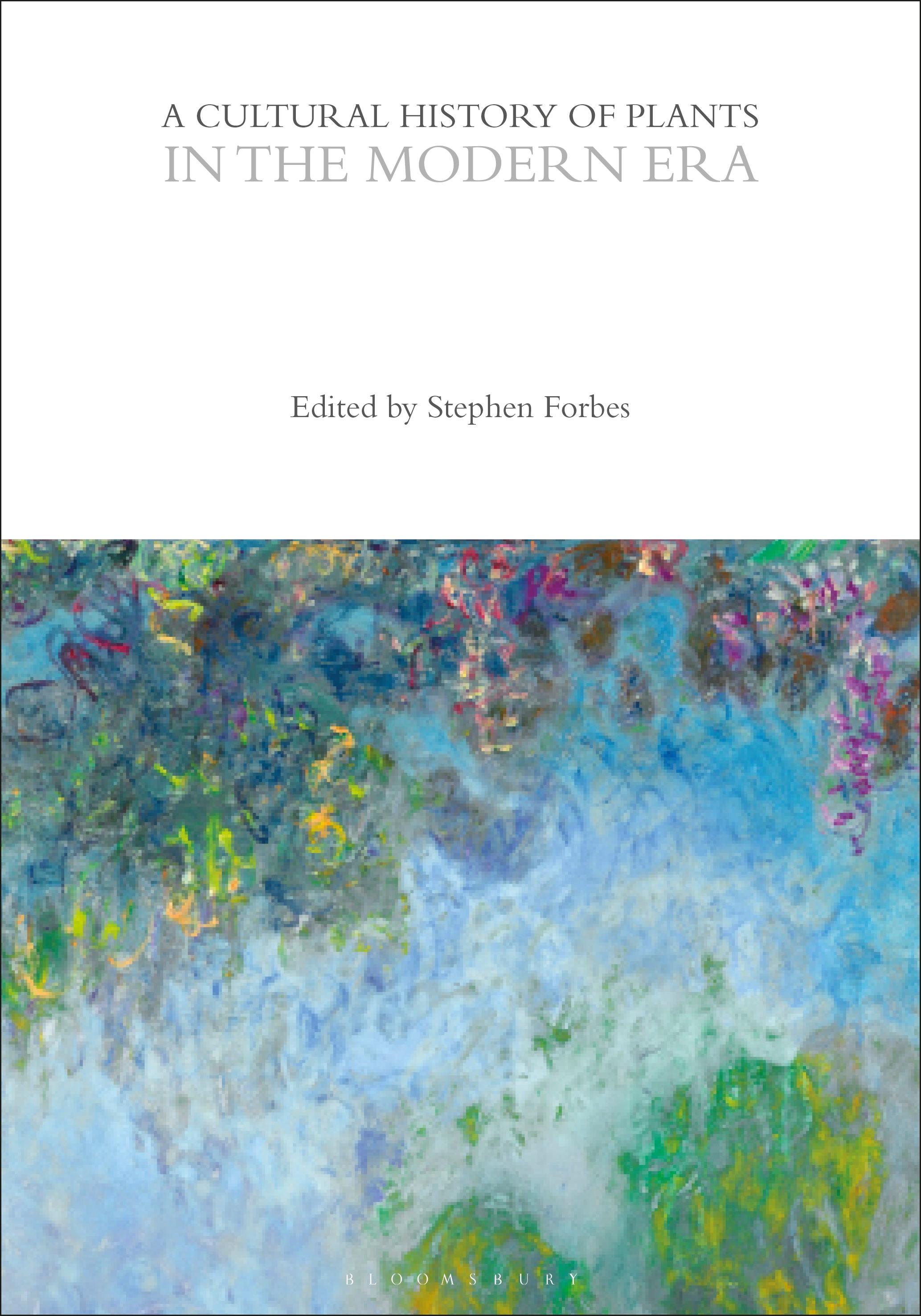
A Cultural History of Plants in the Modern Era covers the period from 1920 to today - a time when population growth, industrialization, global trade, and consumerism have fundamentally reshaped our relationship with plants. Advances in agriculture, science, and technology have revolutionised the ways we feed ourselves, whilst urbanization and industrial processing have reduced our direct connection with living plants. At the same time, our understanding of both ecology and conservation have greatly increased and our appreciation of the meanings and aesthetics of plants continue to suffuse art and everyday culture. The modern era has witnessed a revolution in both the valuation and the destruction of the natural world - more than ever before, we understand that the vitality of our relationship with plants will shape our future.
The 6 volume set of the Cultural History of Plants presents the first comprehensive history of the uses and meanings of plants from prehistory to today. The themes covered in each volume are plants as staple foods; plants as luxury foods; trade and exploration; plant technology and science; plants and medicine; plants in culture; plants as natural ornaments; the representation of plants.
Stephen Forbes is an independent scholar and writer, based in Australia.
Volume 6 in the Cultural History of Plants set.
General Editors: Annette Giesecke, University of Delaware, USA, and David Mabberley, University of Oxford, UK.
The 6 volume set of the Cultural History of Plants presents the first comprehensive history of the uses and meanings of plants from prehistory to today. The themes covered in each volume are plants as staple foods; plants as luxury foods; trade and exploration; plant technology and science; plants and medicine; plants in culture; plants as natural ornaments; the representation of plants.
Stephen Forbes is an independent scholar and writer, based in Australia.
Volume 6 in the Cultural History of Plants set.
General Editors: Annette Giesecke, University of Delaware, USA, and David Mabberley, University of Oxford, UK.
Zahle einfach mit Karte, Klarna, Apple Pay oder Google Pay. Nicht zufrieden? Du hast immer ein 14-tägiges Widerrufsrecht. Lies mehr in unseren AGB. Hast du Fragen, schreib uns eine E-Mail an hello@memmo.org.
Memmo macht das Lernen einfacher – wo auch immer du bist. Bei uns findest du deine Kursbücher und smarte Lerntools an einem Ort: Zusammenfassungen, Quizzes, Podcasts und Lernkarten. Und Ted, dein Lernbuddy, beantwortet alles, was du wissen möchtest. Über 50.000 Studierende lernen bereits hier – gemacht, damit du schneller lernst und weniger Stress hast.