
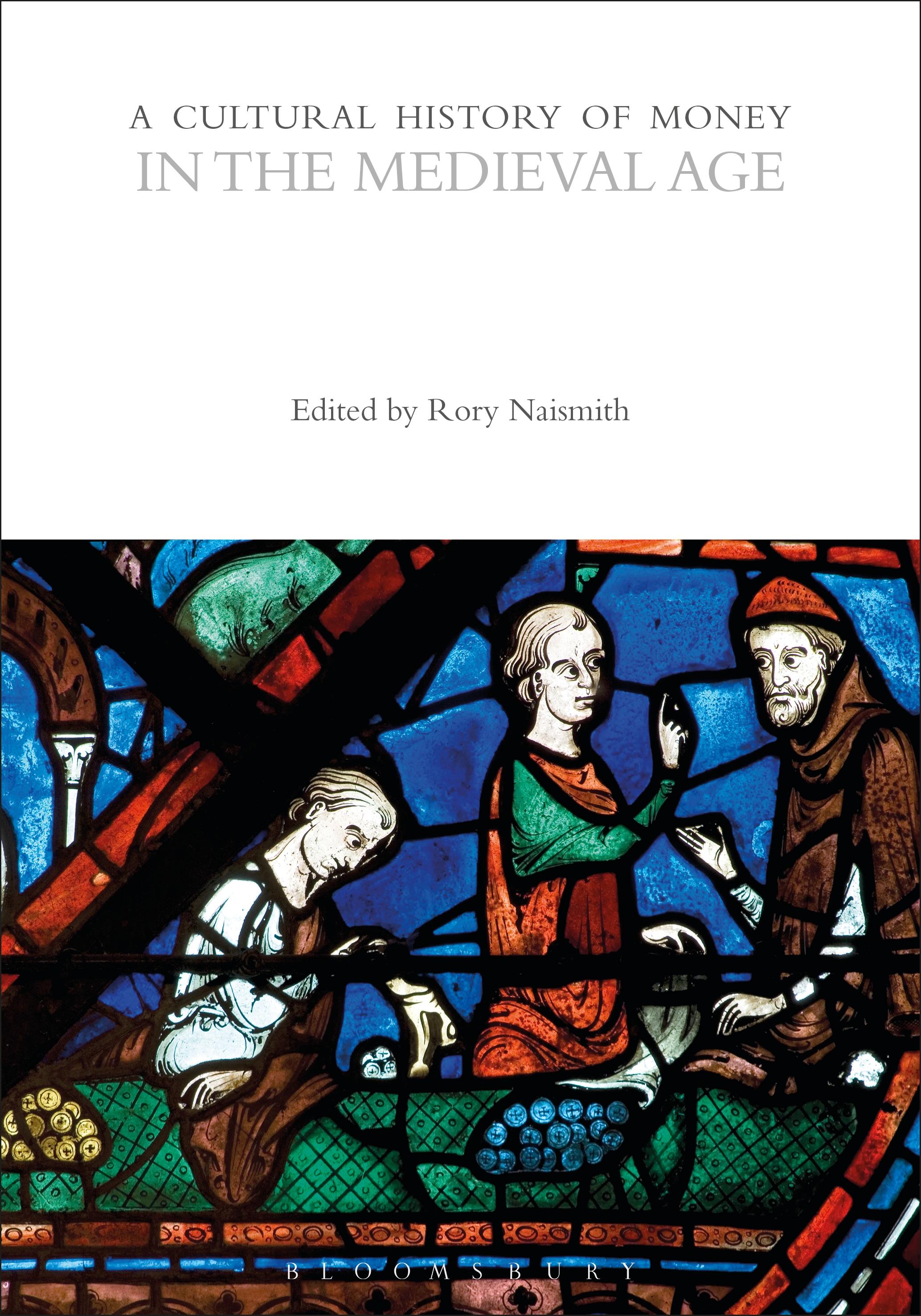
Money provides a unique and illuminating perspective on the Middle Ages. In much of medieval Europe the central meaning of money was a prescribed unit of precious metal but in practice precious metal did not necessarily change hands and indeed coinage was very often in short supply. Money had economic, institutional, social, and cultural dimensions which developed the legacy of antiquity and set the scene for modern developments including the rise of capitalism and finance as well as a moralized discourse on the proper and improper uses of money. In its many forms - coin, metal, commodity, and concept - money played a central role in shaping the character of medieval society and, in turn, offers a vivid reflection of the distinctive features of medieval civilization.
Drawing upon a wealth of visual and textual sources, A Cultural History of Money in the Medieval Age presents essays that examine key cultural case studies of the period on the themes of technologies, ideas, ritual and religion, the everyday, art and representation, interpretation, and the issues of the age.
Drawing upon a wealth of visual and textual sources, A Cultural History of Money in the Medieval Age presents essays that examine key cultural case studies of the period on the themes of technologies, ideas, ritual and religion, the everyday, art and representation, interpretation, and the issues of the age.
Zahle einfach mit Karte, Klarna, Apple Pay oder Google Pay. Nicht zufrieden? Du hast immer ein 14-tägiges Widerrufsrecht. Lies mehr in unseren AGB. Hast du Fragen, schreib uns eine E-Mail an hello@memmo.org.
Memmo macht das Lernen einfacher – wo auch immer du bist. Bei uns findest du deine Kursbücher und smarte Lerntools an einem Ort: Zusammenfassungen, Quizzes, Podcasts und Lernkarten. Und Ted, dein Lernbuddy, beantwortet alles, was du wissen möchtest. Über 50.000 Studierende lernen bereits hier – gemacht, damit du schneller lernst und weniger Stress hast.