
Shortlisted for the Alice Davis Hitchcock Medallion 2023
Shortlisted for the Colvin Prize 2023
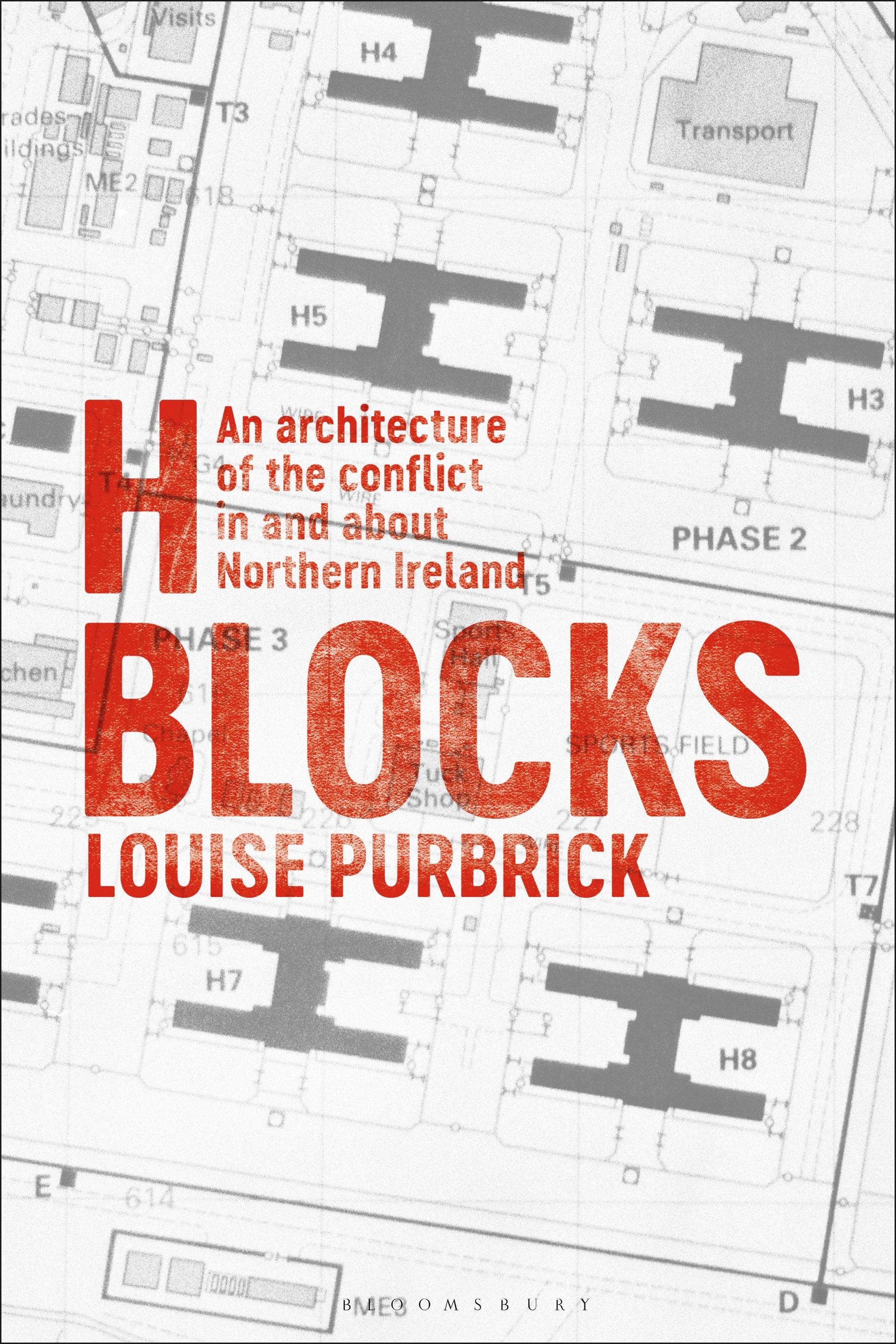
A place of incarceration and liberation, political debate and historical denial, the H Block cell units of Long Kesh/Maze prison in Northern Ireland housed members of both Republican and Loyalist military groups during 'The Troubles' and are now considered 'icons' of that conflict. The H Block's dual status as an articulation of and resistance against power mean that the area is still one of the most contested sites of conflict in Europe.
Based on a long-standing site-specific investigation, and drawing on a range of sources from architectural plans to photographs of street protests, H Blocks explores the material relationship between the prison as a built articulation of power and its inhabitants, highlighting the ethical and political roles that architecture can play in situations of conflict. It also addresses the afterlife of such sites after the end of conflict and how they can adapt to the changing cultural meanings of their space.
The book demonstrates how the conflicted histories of the prison are configured in its design and destruction, and the inhabitation and attempted preservation of the site itself, revealing how its architecture is bound up with questions of power and resistance, embodiment and attachment, witnessing and remembering, the materiality of history and its commodification.
Shortlisted for the Colvin Prize 2023
A place of incarceration and liberation, political debate and historical denial, the H Block cell units of Long Kesh/Maze prison in Northern Ireland housed members of both Republican and Loyalist military groups during 'The Troubles' and are now considered 'icons' of that conflict. The H Block's dual status as an articulation of and resistance against power mean that the area is still one of the most contested sites of conflict in Europe.
Based on a long-standing site-specific investigation, and drawing on a range of sources from architectural plans to photographs of street protests, H Blocks explores the material relationship between the prison as a built articulation of power and its inhabitants, highlighting the ethical and political roles that architecture can play in situations of conflict. It also addresses the afterlife of such sites after the end of conflict and how they can adapt to the changing cultural meanings of their space.
The book demonstrates how the conflicted histories of the prison are configured in its design and destruction, and the inhabitation and attempted preservation of the site itself, revealing how its architecture is bound up with questions of power and resistance, embodiment and attachment, witnessing and remembering, the materiality of history and its commodification.
Zahle einfach mit Karte, Klarna, Apple Pay oder Google Pay. Nicht zufrieden? Du hast immer ein 14-tägiges Widerrufsrecht. Lies mehr in unseren AGB. Hast du Fragen, schreib uns eine E-Mail an hello@memmo.org.
Memmo macht das Lernen einfacher – wo auch immer du bist. Bei uns findest du deine Kursbücher und smarte Lerntools an einem Ort: Zusammenfassungen, Quizzes, Podcasts und Lernkarten. Und Ted, dein Lernbuddy, beantwortet alles, was du wissen möchtest. Über 50.000 Studierende lernen bereits hier – gemacht, damit du schneller lernst und weniger Stress hast.