
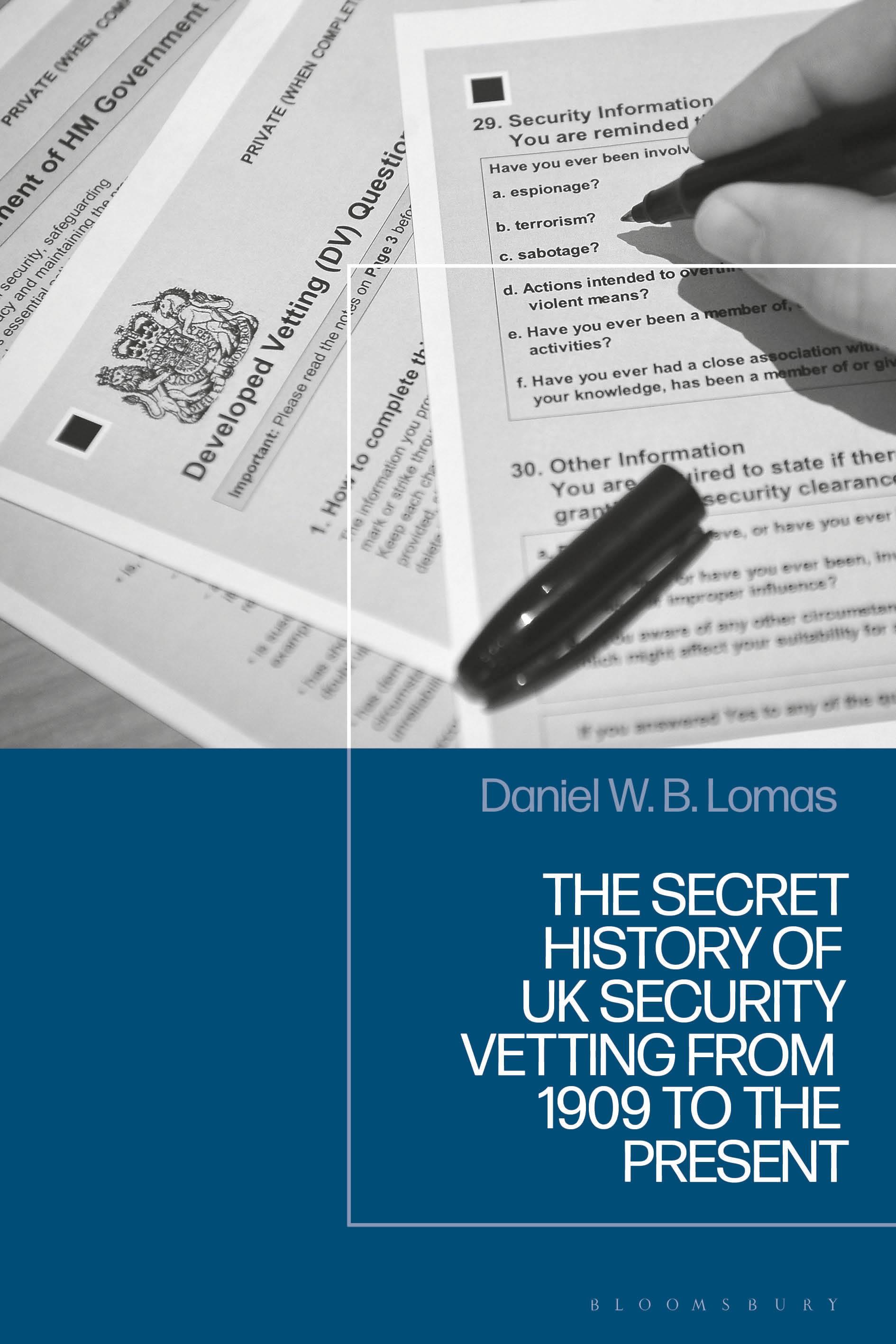
Using newly available government records, private papers, and documents obtained through Freedom of Information, this book tells the secret story of UK security vetting from 1909 to the present. Although Britain avoided American-style red-baiting and McCarthy-like witch-hunts, successive UK governments have, like their 'Five Eyes' allies, implemented security procedures to protect government, defence and industry from so-called 'subversives' and 'fellow travellers'.
Officially, from 1948 the British government applied political tests to civil servants, a process extended to 'character defects' in the early 1950s with the introduction of 'positive vetting'. However, an unofficial purge had taken place for much longer, facing political backlashes as an infringement of 'civil liberties' and suppression of free speech. Although it's been argued that Britain's secret purge had little impact, this study looks at the experiences of those removed from the 'secret state', those LGBT and BAME individuals discriminated against by government, and the impact of government policy generally, while studying the responses of Ministers and civil servants to spy scandals and international events.
Drawing from newly released archival material, Freedom of Information releases and interviews, this book offers new insights into the scope of government security checks on civil servants, defence contractors and armed forces personnel from Edwardian 'spy scares' and the inter-war period, to the Cold War and present day.
Officially, from 1948 the British government applied political tests to civil servants, a process extended to 'character defects' in the early 1950s with the introduction of 'positive vetting'. However, an unofficial purge had taken place for much longer, facing political backlashes as an infringement of 'civil liberties' and suppression of free speech. Although it's been argued that Britain's secret purge had little impact, this study looks at the experiences of those removed from the 'secret state', those LGBT and BAME individuals discriminated against by government, and the impact of government policy generally, while studying the responses of Ministers and civil servants to spy scandals and international events.
Drawing from newly released archival material, Freedom of Information releases and interviews, this book offers new insights into the scope of government security checks on civil servants, defence contractors and armed forces personnel from Edwardian 'spy scares' and the inter-war period, to the Cold War and present day.
Zahle einfach mit Karte, Klarna, Apple Pay oder Google Pay. Nicht zufrieden? Du hast immer ein 14-tägiges Widerrufsrecht. Lies mehr in unseren AGB. Hast du Fragen, schreib uns eine E-Mail an hello@memmo.org.
Memmo macht das Lernen einfacher – wo auch immer du bist. Bei uns findest du deine Kursbücher und smarte Lerntools an einem Ort: Zusammenfassungen, Quizzes, Podcasts und Lernkarten. Und Ted, dein Lernbuddy, beantwortet alles, was du wissen möchtest. Über 50.000 Studierende lernen bereits hier – gemacht, damit du schneller lernst und weniger Stress hast.