
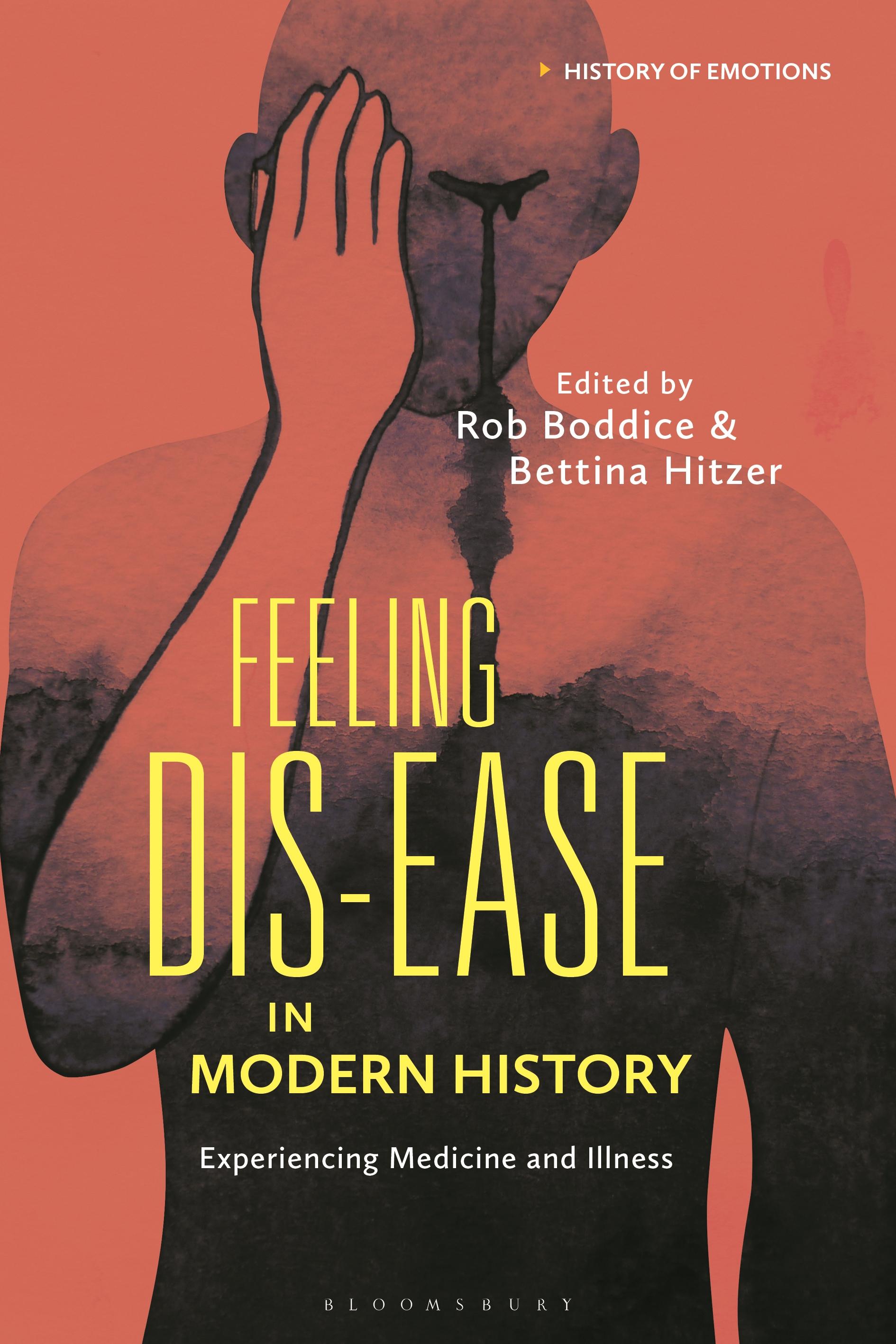
This book explores experiences of illness, broadly construed. It encompasses the emotional and sensory disruptions that attend disease, injury, mental illness or trauma, and gives an account of how medical practitioners, experts, lay authorities and the public have felt about such disruptions.
Considering all sides of the medical encounter and highlighting the intersection of intellectual history and medical knowledge, of institutional atmospheres, built environments and technological practicalities, and of emotional and sensory experience, Feeling Dis-ease in Modern History presents a wide-ranging affective account of feeling well and of feeling ill. Especially occupied with the ways in which dynamics of power and authority have either validated or discounted dis-eased feelings, the book's contributors probe at the intersectional politics of medical expertise and patient experience to better understand situated expressions of illness, their reception, and their social, cultural and moral valuation. Drawing on methodologies from the histories of emotions, senses, science and the medical humanities, this book gives an account of the complexity of undergoing illness: of feeling dis-ease.
Considering all sides of the medical encounter and highlighting the intersection of intellectual history and medical knowledge, of institutional atmospheres, built environments and technological practicalities, and of emotional and sensory experience, Feeling Dis-ease in Modern History presents a wide-ranging affective account of feeling well and of feeling ill. Especially occupied with the ways in which dynamics of power and authority have either validated or discounted dis-eased feelings, the book's contributors probe at the intersectional politics of medical expertise and patient experience to better understand situated expressions of illness, their reception, and their social, cultural and moral valuation. Drawing on methodologies from the histories of emotions, senses, science and the medical humanities, this book gives an account of the complexity of undergoing illness: of feeling dis-ease.
Zahle einfach mit Karte, Klarna, Apple Pay oder Google Pay. Nicht zufrieden? Du hast immer ein 14-tägiges Widerrufsrecht. Lies mehr in unseren AGB. Hast du Fragen, schreib uns eine E-Mail an hello@memmo.org.
Memmo macht das Lernen einfacher – wo auch immer du bist. Bei uns findest du deine Kursbücher und smarte Lerntools an einem Ort: Zusammenfassungen, Quizzes, Podcasts und Lernkarten. Und Ted, dein Lernbuddy, beantwortet alles, was du wissen möchtest. Über 50.000 Studierende lernen bereits hier – gemacht, damit du schneller lernst und weniger Stress hast.