
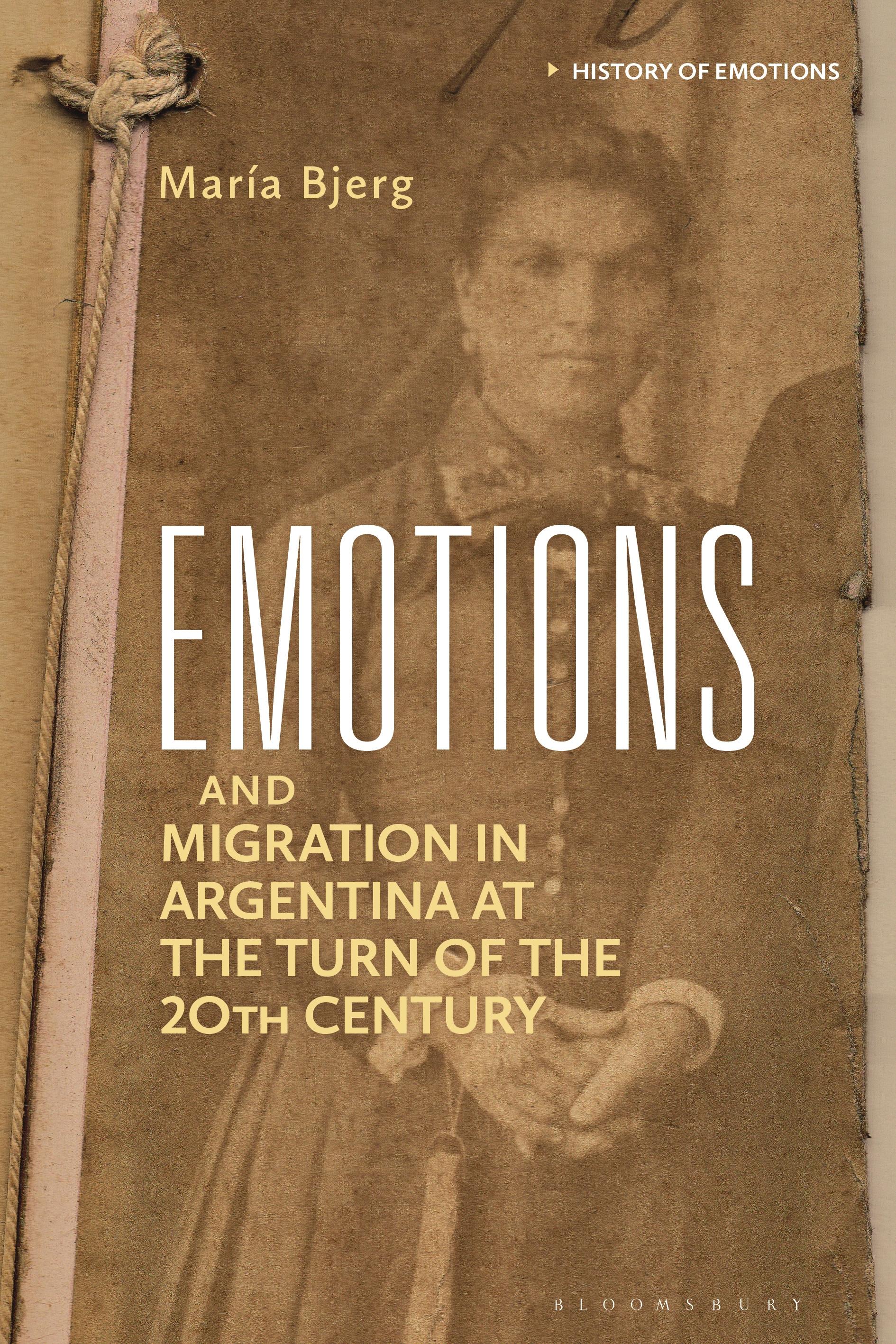
Revealing the lives of migrant couples and transnational households, this book explores the dark side of the history of migration in Argentina during the late 19th and early 20th centuries. Using court records, censuses, personal correspondence and a series of case studies, María Bjerg offers a portrayal of the emotional dynamics of transnational marital bonds and intimate relationships stretched across continents. Using microhistories and case studies, this book shows how migration affected marital bonds with loneliness, betrayal, fear and frustration.
Focusing primarily on the emotional lives of Italian and Spanish migrants, this book explores bigamy, infidelity, adultery, domestic violence and murder within official and unofficial unions. It reveals the complexities of obligation, financial hardship, sacrifice and distance that came with migration, and explores how shame, jealousy, vengeance and disobedience led to the breaking of marital ties. Against a backdrop of changing cultural contexts Bjerg examines the emotional languages and practices used by adulterous women against their offended husbands, to justify domestic violence and as a defence against homicide. Demonstrating how migration was a powerful catalyst of change in emotional lives and in evolving social standards, Emotions and Migration in Early Twentieth-century Argentina reveals intimate and disordered lives at a time when female obedience and male honour were not only paramount, but exacerbated by distance and displacement.
Focusing primarily on the emotional lives of Italian and Spanish migrants, this book explores bigamy, infidelity, adultery, domestic violence and murder within official and unofficial unions. It reveals the complexities of obligation, financial hardship, sacrifice and distance that came with migration, and explores how shame, jealousy, vengeance and disobedience led to the breaking of marital ties. Against a backdrop of changing cultural contexts Bjerg examines the emotional languages and practices used by adulterous women against their offended husbands, to justify domestic violence and as a defence against homicide. Demonstrating how migration was a powerful catalyst of change in emotional lives and in evolving social standards, Emotions and Migration in Early Twentieth-century Argentina reveals intimate and disordered lives at a time when female obedience and male honour were not only paramount, but exacerbated by distance and displacement.
Zahle einfach mit Karte, Klarna, Apple Pay oder Google Pay. Nicht zufrieden? Du hast immer ein 14-tägiges Widerrufsrecht. Lies mehr in unseren AGB. Hast du Fragen, schreib uns eine E-Mail an hello@memmo.org.
Memmo macht das Lernen einfacher – wo auch immer du bist. Bei uns findest du deine Kursbücher und smarte Lerntools an einem Ort: Zusammenfassungen, Quizzes, Podcasts und Lernkarten. Und Ted, dein Lernbuddy, beantwortet alles, was du wissen möchtest. Über 50.000 Studierende lernen bereits hier – gemacht, damit du schneller lernst und weniger Stress hast.