
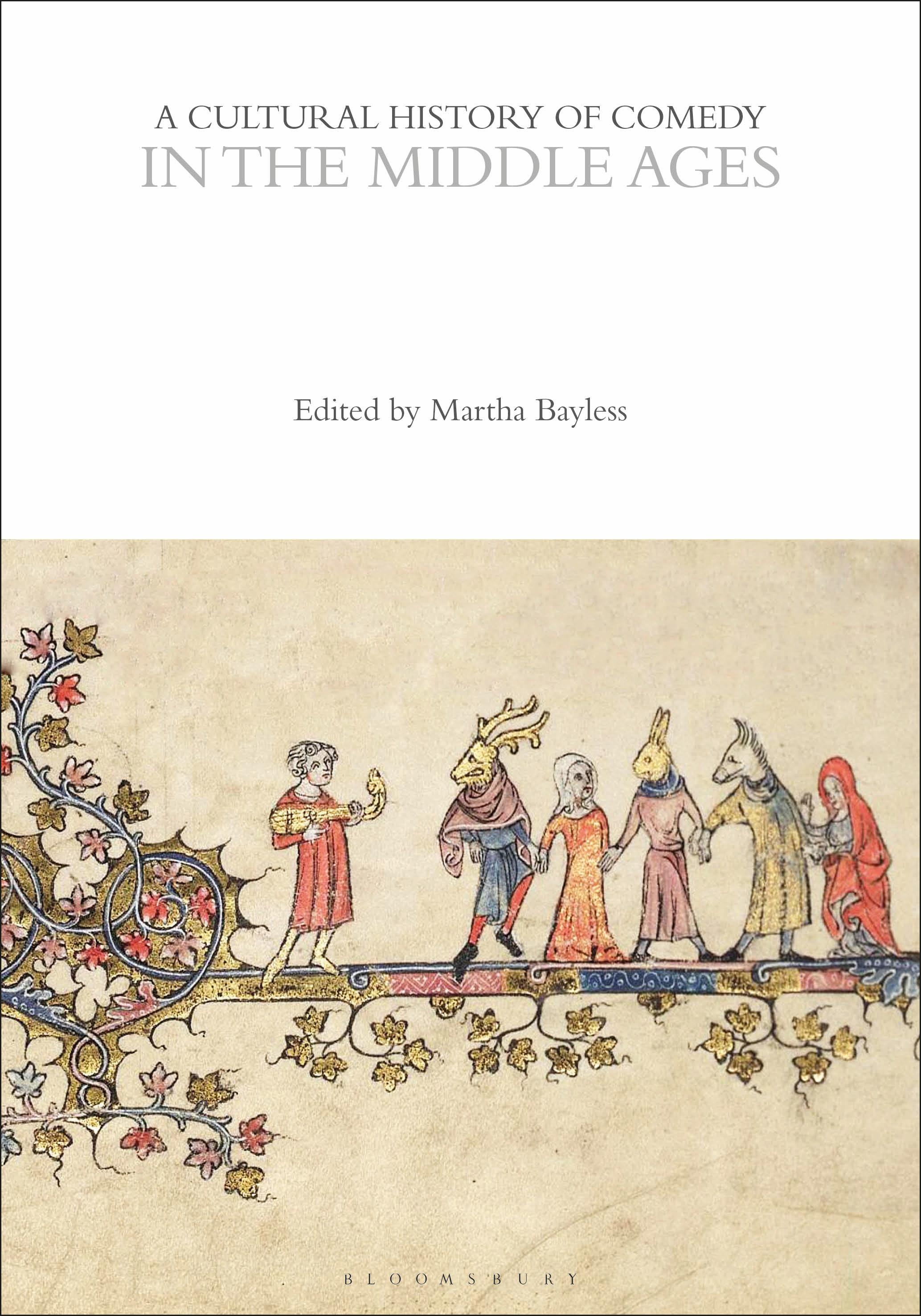
Comedy and humor flourished in manifold forms in the Middle Ages. This volume, covering the period from 1000 to 1400 CE, examines the themes, practice, and effects of medieval comedy, from the caustic morality of principled satire to the exuberant improprieties of many wildly popular tales of sex and trickery. The analysis includes the most influential authors of the age, such as Chaucer, Boccaccio, Juan Ruiz, and Hrothswitha of Gandersheim, as well as lesser-known works and genres, such as songs of insult, nonsense-texts, satirical church paintings, topical jokes, and obscene pilgrim badges. The analysis touches on most of the literatures of medieval Europe, including a discussion of the formal attitudes toward humor in Christian, Jewish, and Islamic traditions. The volume demonstrates the many ways in which medieval humor could be playful, casual, sophisticated, important, subversive, and even dangerous.
Each chapter takes a different theme as its focus: form, theory, praxis, identities, the body, politics and power, laughter, and ethics.
Each chapter takes a different theme as its focus: form, theory, praxis, identities, the body, politics and power, laughter, and ethics.
Zahle einfach mit Karte, Klarna, Apple Pay oder Google Pay. Nicht zufrieden? Du hast immer ein 14-tägiges Widerrufsrecht. Lies mehr in unseren AGB. Hast du Fragen, schreib uns eine E-Mail an hello@memmo.org.
Memmo macht das Lernen einfacher – wo auch immer du bist. Bei uns findest du deine Kursbücher und smarte Lerntools an einem Ort: Zusammenfassungen, Quizzes, Podcasts und Lernkarten. Und Ted, dein Lernbuddy, beantwortet alles, was du wissen möchtest. Über 50.000 Studierende lernen bereits hier – gemacht, damit du schneller lernst und weniger Stress hast.