
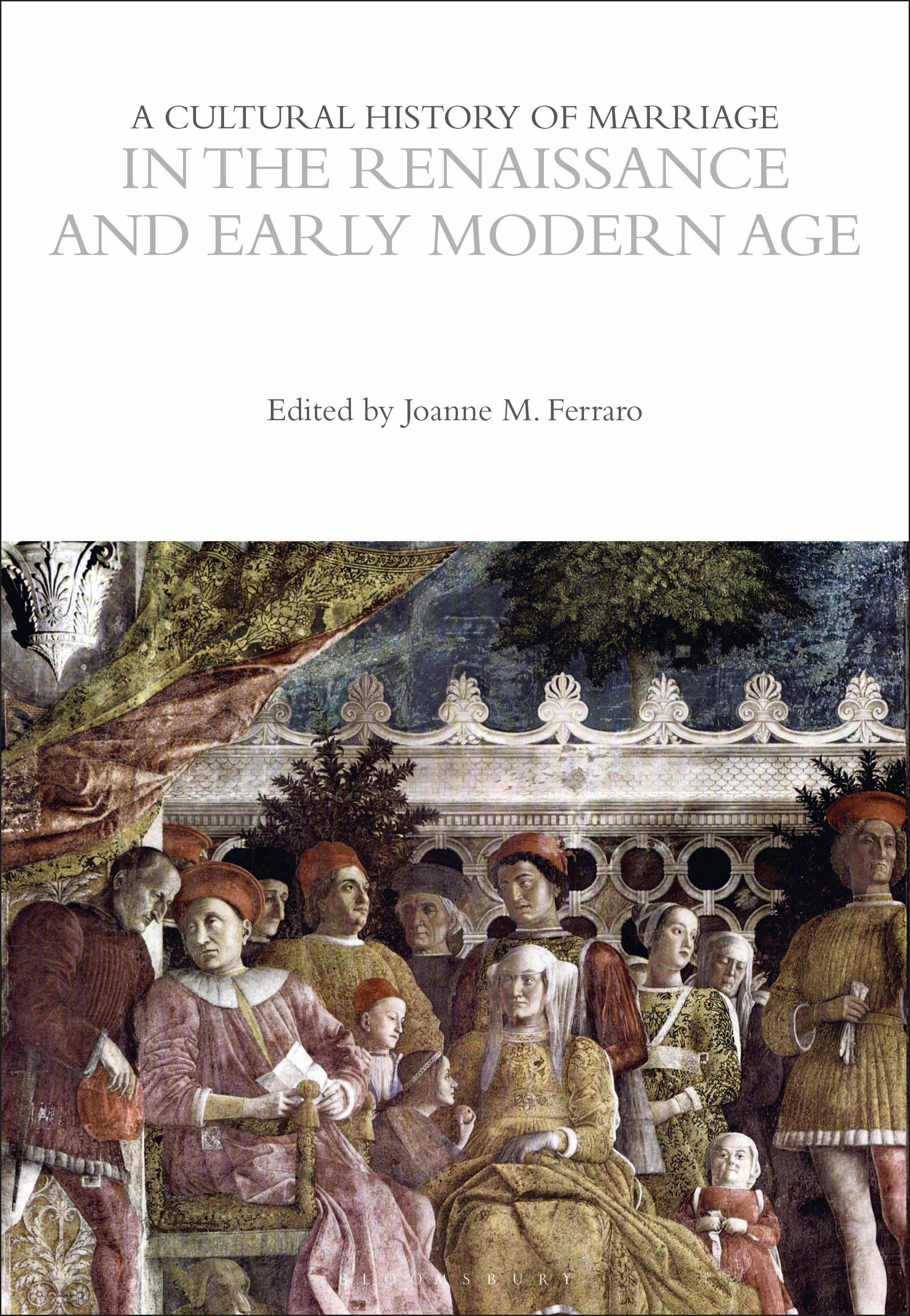
Why marry? The personal question is timeless. Yet the highly emotional desires of men and women during the period between 1450 and 1650 were also circumscribed by external forces that operated within a complex arena of sweeping economic, demographic, political, and religious changes. The period witnessed dramatic religious reforms in the Catholic confession and the introduction of multiple Protestant denominations; the advent of the printing press; European encounters and exchange with the Americas, North Africa, and southwestern and eastern Asia; the growth of state bureaucracies; and a resurgence of ecclesiastical authority in private life. These developments, together with social, religious, and cultural attitudes, including the constructed norms of masculinity, femininity, and sexuality, impinged upon the possibility of marrying. The nine scholars in this volume aim to provide a comprehensive picture of current research on the cultural history of marriage for the years between 1450 and 1650 by identifying both the ideal templates for nuptial unions in prescriptive writings and artistic representation and actual practices in the spheres of courtship and marriage rites, sexual relationships, the formation of family networks, marital dissolution, and the overriding choices of individuals over the structural and cultural constraints of the time.
A Cultural History of Marriage in the Renaissance and Early Modern Age presents an overview of the period with essays on Courtship and Ritual; Religion, State and Law; Kinship and Social Networks; the Family Economy; Love and Sex; the Breaking of Vows; and Representations of Marriage.
A Cultural History of Marriage in the Renaissance and Early Modern Age presents an overview of the period with essays on Courtship and Ritual; Religion, State and Law; Kinship and Social Networks; the Family Economy; Love and Sex; the Breaking of Vows; and Representations of Marriage.
Zahle einfach mit Karte, Klarna, Apple Pay oder Google Pay. Nicht zufrieden? Du hast immer ein 14-tägiges Widerrufsrecht. Lies mehr in unseren AGB. Hast du Fragen, schreib uns eine E-Mail an hello@memmo.org.
Memmo macht das Lernen einfacher – wo auch immer du bist. Bei uns findest du deine Kursbücher und smarte Lerntools an einem Ort: Zusammenfassungen, Quizzes, Podcasts und Lernkarten. Und Ted, dein Lernbuddy, beantwortet alles, was du wissen möchtest. Über 50.000 Studierende lernen bereits hier – gemacht, damit du schneller lernst und weniger Stress hast.