
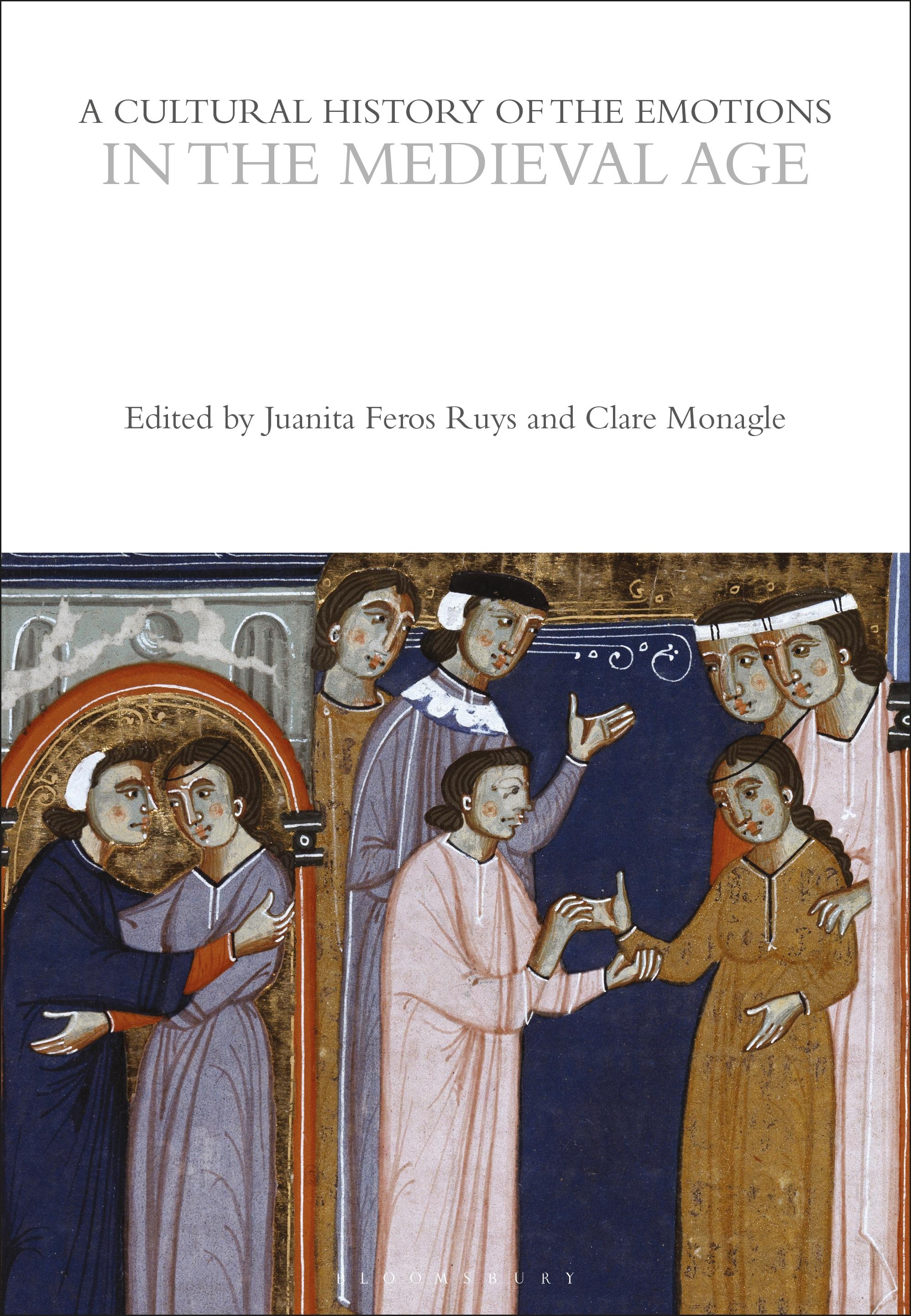
Our period opens at the end of the Roman Empire when intellectual currents are indebted to the Greek philosophical inheritance of Plato and Aristotle, as well as to a Romanized Stoicism. Into this mix entered the new, and from 313CE imperially sanctioned, religion of Christianity. In art, literature, music, and drama, we find an increasing emphasis on the arousal of individual emotions and their acceptance as a means towards devotion. In religion, we see a move from the ascetic regulation of emotions to the affective piety of the later medieval period that valued the believer's identification with the Passion of Christ and the sorrow of Mary. In science and medicine, the nature and causes of emotions, their role in constituting the human person, and their impact on the same became a subject of academic inquiry. Emotions also played an increasingly important public role, evidenced in populace-wide events such as conversion and the strategies of rulership. Between 350 and 1300, emotions were transformed from something to be transcended into a location for meditation upon what it means to be human.
Zahle einfach mit Karte, Klarna, Apple Pay oder Google Pay. Nicht zufrieden? Du hast immer ein 14-tägiges Widerrufsrecht. Lies mehr in unseren AGB. Hast du Fragen, schreib uns eine E-Mail an hello@memmo.org.
Memmo macht das Lernen einfacher – wo auch immer du bist. Bei uns findest du deine Kursbücher und smarte Lerntools an einem Ort: Zusammenfassungen, Quizzes, Podcasts und Lernkarten. Und Ted, dein Lernbuddy, beantwortet alles, was du wissen möchtest. Über 50.000 Studierende lernen bereits hier – gemacht, damit du schneller lernst und weniger Stress hast.