
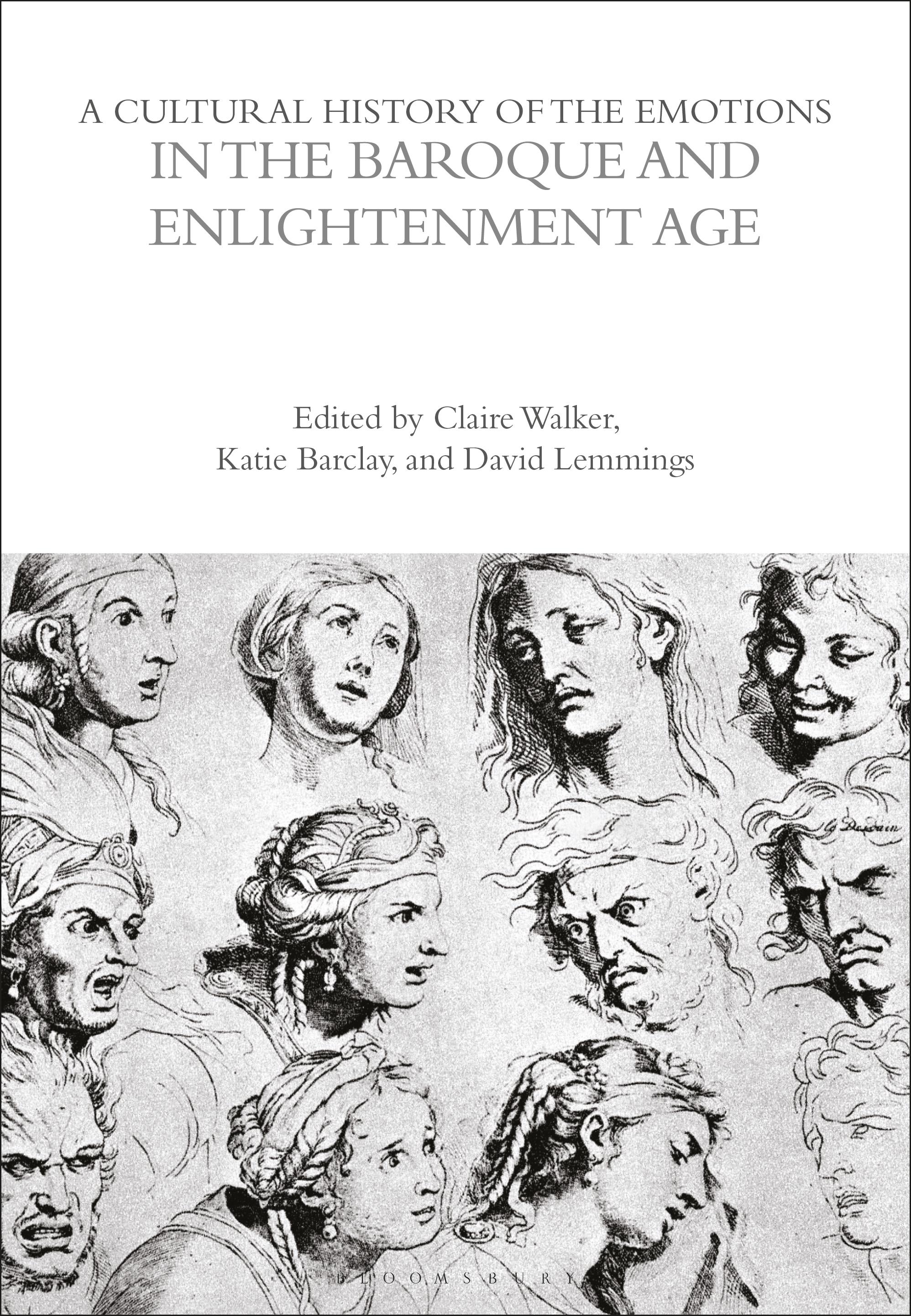
During the period of the Baroque and Enlightenment the word “emotion”, denoting passions and feelings, came into usage, albeit in an irregular fashion. “Emotion” ultimately emerged as a term in its own right, and evolved in English from meaning physical agitation to describe mental feeling. However, the older terminology of “passions” and “affections” continued as the dominant discourse structuring thinking about feeling and its wider religious, political, social, economic, and moral imperatives. The emotional cultures described in these essays enable some comparative discussion about the history of emotions, and particularly the causes and consequences of emotional change in the larger cultural contexts of the Baroque and Enlightenment. Emotions research has enabled a rethinking of dominant narratives of the period-of histories of revolution, state-building, the rise of the public sphere, religious and scientific transformation, and more. As a new and dynamic field, the essays here are just the beginning of a much bigger history of emotions.
Zahle einfach mit Karte, Klarna, Apple Pay oder Google Pay. Nicht zufrieden? Du hast immer ein 14-tägiges Widerrufsrecht. Lies mehr in unseren AGB. Hast du Fragen, schreib uns eine E-Mail an hello@memmo.org.
Memmo macht das Lernen einfacher – wo auch immer du bist. Bei uns findest du deine Kursbücher und smarte Lerntools an einem Ort: Zusammenfassungen, Quizzes, Podcasts und Lernkarten. Und Ted, dein Lernbuddy, beantwortet alles, was du wissen möchtest. Über 50.000 Studierende lernen bereits hier – gemacht, damit du schneller lernst und weniger Stress hast.