
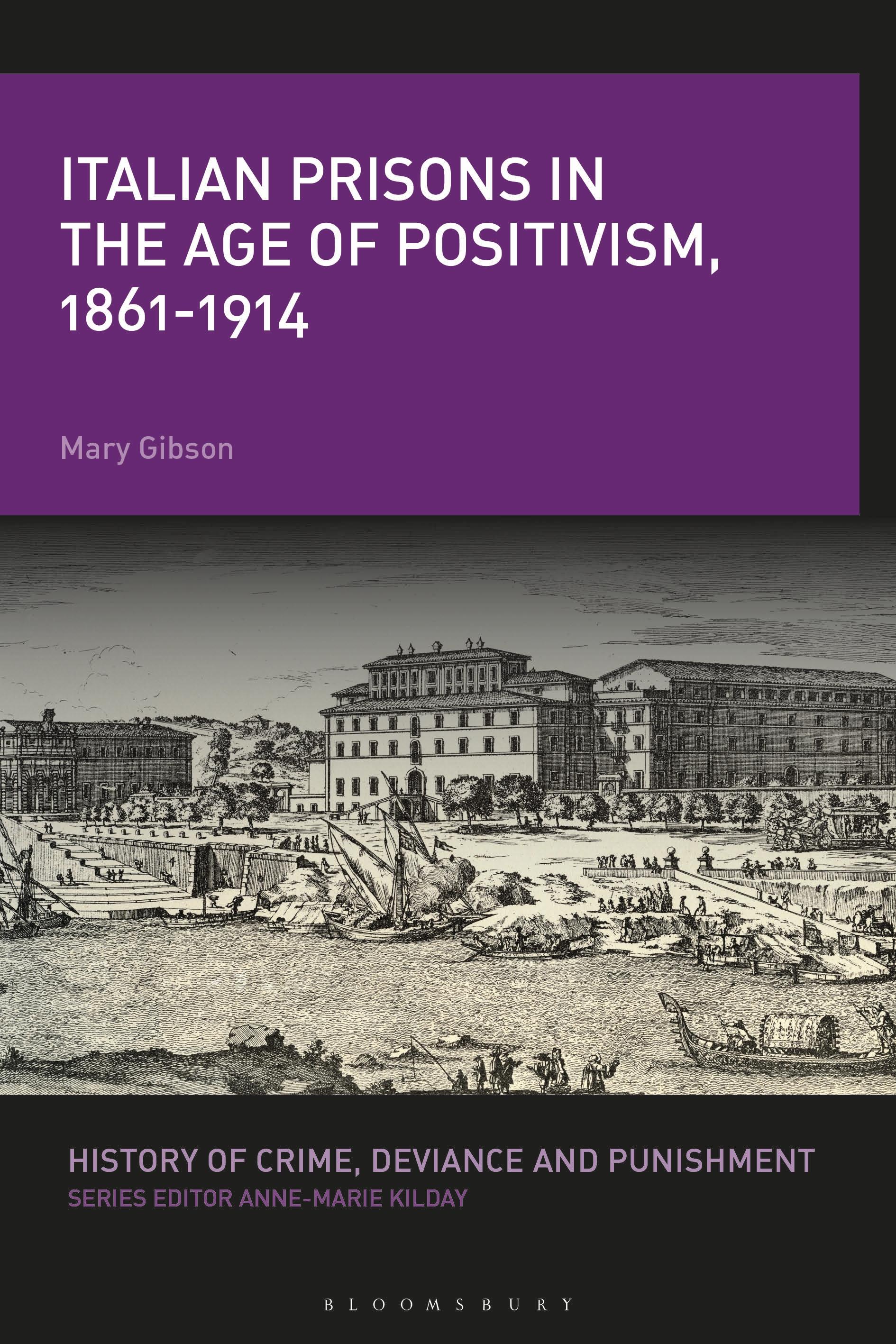
During a period dominated by the biological determinism of Cesare Lombroso, Italy constructed a new prison system that sought to reconcile criminology with nation building and new definitions of citizenship. Italian Prisons in the Age of Positivism, 1861-1914 examines this "second wave" of global prison reform between Italian Unification and World War I, providing fascinating insights into the relationship between changing modes of punishment and the development of the modern Italian state.
Mary Gibson focuses on the correlation between the birth of the prison and the establishment of a liberal government, showing how rehabilitation through work in humanitarian conditions played a key role in the development of a new secular national identity. She also highlights the importance of age and gender for constructing a nuanced chronology of the birth of the prison, demonstrating that whilst imprisonment emerged first as a punishment for women and children, they were often denied "negative" rights, such as equality in penal law and the right to a secular form of punishment. Employing a wealth of hitherto neglected primary sources, such as yearly prison statistics, this cutting-edge study also provides glimpses into the everyday life of inmates in both the new capital of Rome and the nation as a whole.
Italian Prisons in the Age of Positivism, 1861-1914 is a vital study for understanding the birth of the prison in modern Italy and beyond.
Mary Gibson focuses on the correlation between the birth of the prison and the establishment of a liberal government, showing how rehabilitation through work in humanitarian conditions played a key role in the development of a new secular national identity. She also highlights the importance of age and gender for constructing a nuanced chronology of the birth of the prison, demonstrating that whilst imprisonment emerged first as a punishment for women and children, they were often denied "negative" rights, such as equality in penal law and the right to a secular form of punishment. Employing a wealth of hitherto neglected primary sources, such as yearly prison statistics, this cutting-edge study also provides glimpses into the everyday life of inmates in both the new capital of Rome and the nation as a whole.
Italian Prisons in the Age of Positivism, 1861-1914 is a vital study for understanding the birth of the prison in modern Italy and beyond.
Zahle einfach mit Karte, Klarna, Apple Pay oder Google Pay. Nicht zufrieden? Du hast immer ein 14-tägiges Widerrufsrecht. Lies mehr in unseren AGB. Hast du Fragen, schreib uns eine E-Mail an hello@memmo.org.
Memmo macht das Lernen einfacher – wo auch immer du bist. Bei uns findest du deine Kursbücher und smarte Lerntools an einem Ort: Zusammenfassungen, Quizzes, Podcasts und Lernkarten. Und Ted, dein Lernbuddy, beantwortet alles, was du wissen möchtest. Über 50.000 Studierende lernen bereits hier – gemacht, damit du schneller lernst und weniger Stress hast.