
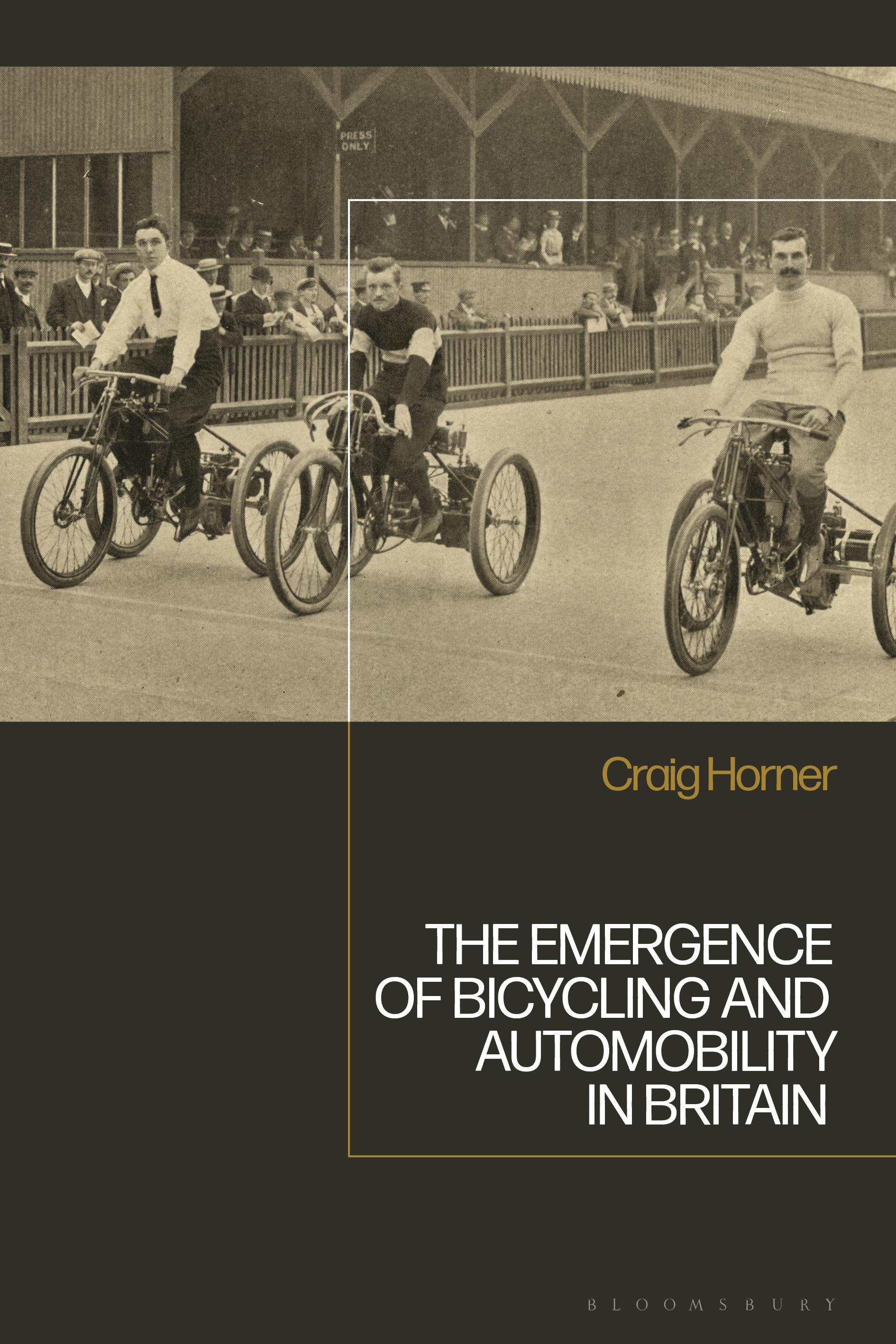
In the late 19th century, bicyling and motoring offered new ways for a hardy minority to travel. Escaping from the 'tyranny' of the train timetables, these entrepreneurs were able to promote private mobility when the road, technology and infrastructure were unequal to the task. With a moribund network out of town, poor roadside accommodation and few services, how could road traction persist and ultimately thrive?
Drawing on a wealth of primary sources, including magazines, newspapers and advice books on stable management, this book explores the emergence and development of bicycling and automobility in Britain, with a focus on the racing driver-cum-entrepreneur SF Edge (1868-1940) and his network. Craig Horner considers the motivations, prejudices and cultures of those who promoted and consumed road traction, providing new insights into social class, leisure, sport and tourism in Britain. In addition, he places early British bicycling and automobility in an international context, providing fruitful comparisons with the movements in France, Germany and the United States.
The Emergence of Bicycling and Automobility in Britain is an excellent resource for scholars and students interested in mobility studies, social and cultural history, and the history of technology.
Drawing on a wealth of primary sources, including magazines, newspapers and advice books on stable management, this book explores the emergence and development of bicycling and automobility in Britain, with a focus on the racing driver-cum-entrepreneur SF Edge (1868-1940) and his network. Craig Horner considers the motivations, prejudices and cultures of those who promoted and consumed road traction, providing new insights into social class, leisure, sport and tourism in Britain. In addition, he places early British bicycling and automobility in an international context, providing fruitful comparisons with the movements in France, Germany and the United States.
The Emergence of Bicycling and Automobility in Britain is an excellent resource for scholars and students interested in mobility studies, social and cultural history, and the history of technology.
Zahle einfach mit Karte, Klarna, Apple Pay oder Google Pay. Nicht zufrieden? Du hast immer ein 14-tägiges Widerrufsrecht. Lies mehr in unseren AGB. Hast du Fragen, schreib uns eine E-Mail an hello@memmo.org.
Memmo macht das Lernen einfacher – wo auch immer du bist. Bei uns findest du deine Kursbücher und smarte Lerntools an einem Ort: Zusammenfassungen, Quizzes, Podcasts und Lernkarten. Und Ted, dein Lernbuddy, beantwortet alles, was du wissen möchtest. Über 50.000 Studierende lernen bereits hier – gemacht, damit du schneller lernst und weniger Stress hast.