
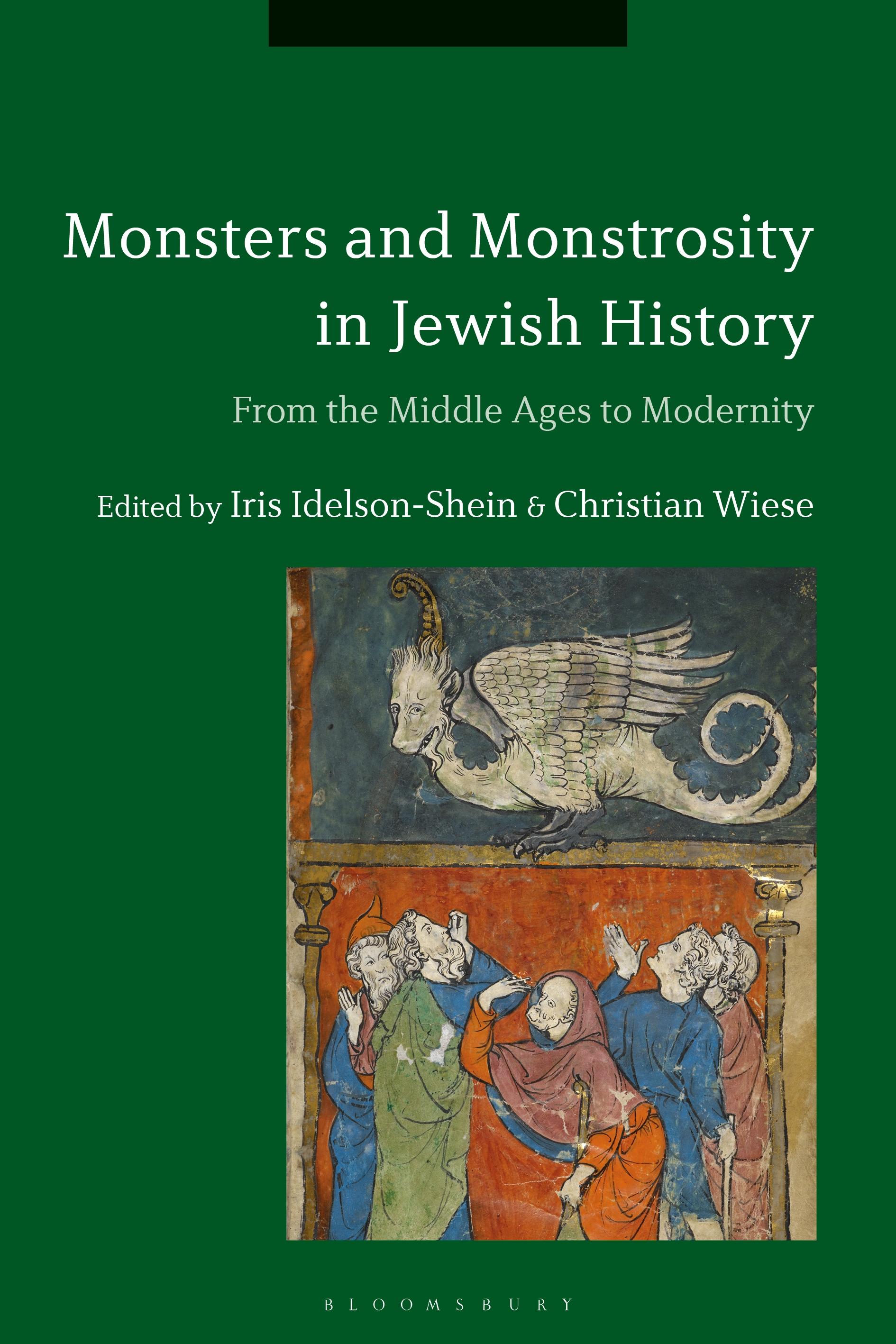
This is the first study of monstrosity in Jewish history from the Middle Ages to modernity. Drawing on Jewish history, literary studies, folklore, art history and the history of science, it examines both the historical depiction of Jews as monsters and the creative use of monstrous beings in Jewish culture.
Jews have occupied a liminal position within European society and culture, being deeply immersed yet outsiders to it. For this reason, they were perceived in terms of otherness and were often represented as monstrous beings. However, at the same time, European Jews invoked, with tantalizing ubiquity, images of magical, terrifying and hybrid beings in their texts, art and folktales. These images were used by Jewish authors and artists to push back against their own identification as monstrous or diabolical and to tackle concerns about religious persecution, assimilation and acculturation, gender and sexuality, science and technology and the rise of antisemitism.
Bringing together an impressive cast of contributors from around the world, this fascinating volume is an invaluable resource for academics, postgraduates and advanced undergraduates interested in Jewish studies, as well as the history of monsters.
Jews have occupied a liminal position within European society and culture, being deeply immersed yet outsiders to it. For this reason, they were perceived in terms of otherness and were often represented as monstrous beings. However, at the same time, European Jews invoked, with tantalizing ubiquity, images of magical, terrifying and hybrid beings in their texts, art and folktales. These images were used by Jewish authors and artists to push back against their own identification as monstrous or diabolical and to tackle concerns about religious persecution, assimilation and acculturation, gender and sexuality, science and technology and the rise of antisemitism.
Bringing together an impressive cast of contributors from around the world, this fascinating volume is an invaluable resource for academics, postgraduates and advanced undergraduates interested in Jewish studies, as well as the history of monsters.
Zahle einfach mit Karte, Klarna, Apple Pay oder Google Pay. Nicht zufrieden? Du hast immer ein 14-tägiges Widerrufsrecht. Lies mehr in unseren AGB. Hast du Fragen, schreib uns eine E-Mail an hello@memmo.org.
Memmo macht das Lernen einfacher – wo auch immer du bist. Bei uns findest du deine Kursbücher und smarte Lerntools an einem Ort: Zusammenfassungen, Quizzes, Podcasts und Lernkarten. Und Ted, dein Lernbuddy, beantwortet alles, was du wissen möchtest. Über 50.000 Studierende lernen bereits hier – gemacht, damit du schneller lernst und weniger Stress hast.