
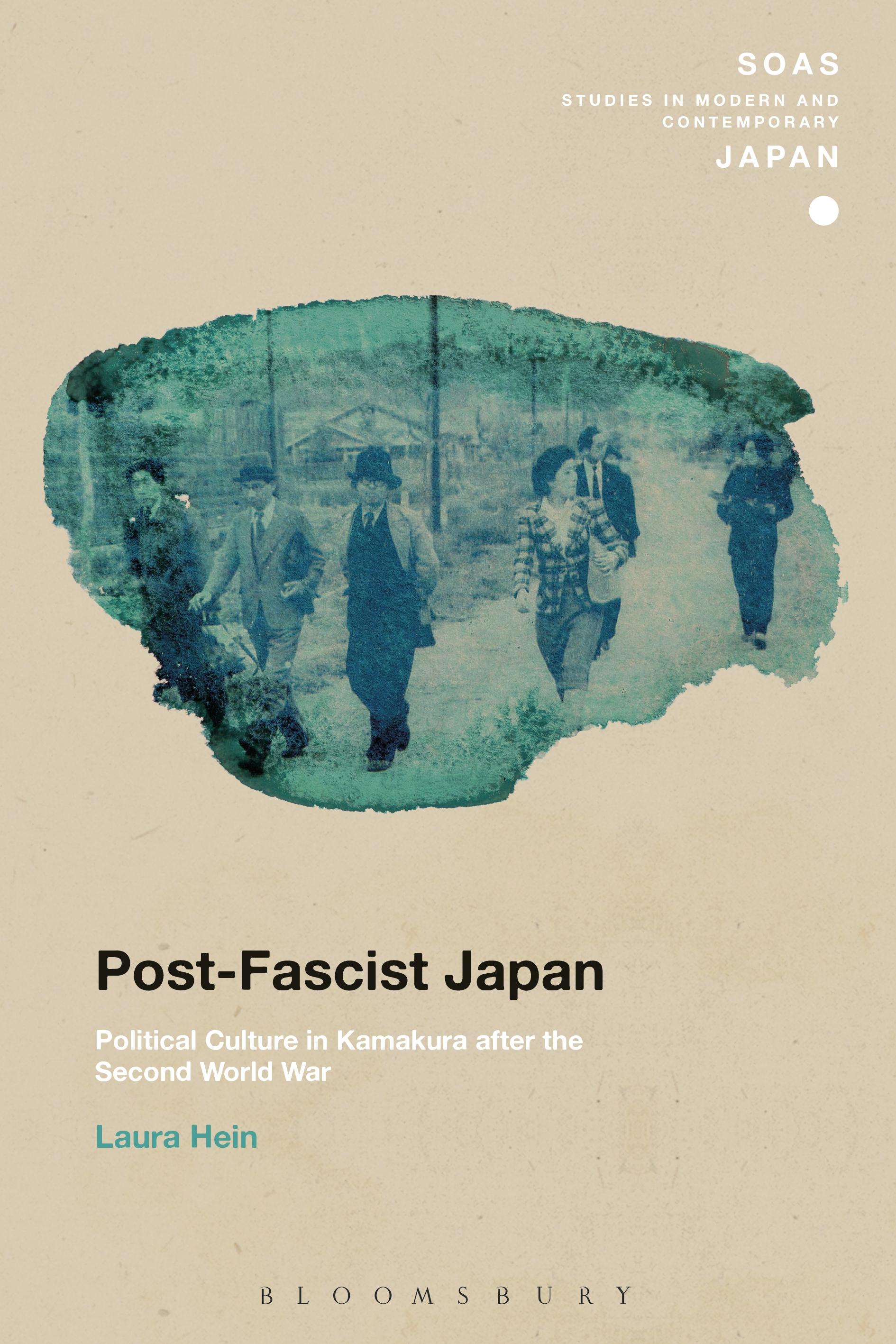
In late 1945 local Japanese turned their energies toward creating new behaviors and institutions that would give young people better skills to combat repression at home and coercion abroad. They rapidly transformed their political culture-policies, institutions, and public opinion-to create a more equitable, democratic and peaceful society.
Post-Fascist Japan explores this phenomenon, focusing on a group of highly educated Japanese based in the city of Kamakura, where the new political culture was particularly visible. The book argues that these leftist elites, many of whom had been seen as 'the enemy' during the war, saw the problem as one of fascism, an ideology that had succeeded because it had addressed real problems. They turned their efforts to overtly political-legal systems but also to ostensibly non-political and community institutions such as universities, art museums, local tourism, and environmental policies, aiming not only for reconciliation over the past but also to reduce the anxieties that had drawn so many towards fascism.
By focusing on people who had an outsized influence on Japan's political culture, Hein's study is local, national, and transnational. She grounds her discussion using specific personalities, showing their ideas about 'post-fascism', how they implemented them and how they interacted with the American occupiers.
Post-Fascist Japan explores this phenomenon, focusing on a group of highly educated Japanese based in the city of Kamakura, where the new political culture was particularly visible. The book argues that these leftist elites, many of whom had been seen as 'the enemy' during the war, saw the problem as one of fascism, an ideology that had succeeded because it had addressed real problems. They turned their efforts to overtly political-legal systems but also to ostensibly non-political and community institutions such as universities, art museums, local tourism, and environmental policies, aiming not only for reconciliation over the past but also to reduce the anxieties that had drawn so many towards fascism.
By focusing on people who had an outsized influence on Japan's political culture, Hein's study is local, national, and transnational. She grounds her discussion using specific personalities, showing their ideas about 'post-fascism', how they implemented them and how they interacted with the American occupiers.
Zahle einfach mit Karte, Klarna, Apple Pay oder Google Pay. Nicht zufrieden? Du hast immer ein 14-tägiges Widerrufsrecht. Lies mehr in unseren AGB. Hast du Fragen, schreib uns eine E-Mail an hello@memmo.org.
Memmo macht das Lernen einfacher – wo auch immer du bist. Bei uns findest du deine Kursbücher und smarte Lerntools an einem Ort: Zusammenfassungen, Quizzes, Podcasts und Lernkarten. Und Ted, dein Lernbuddy, beantwortet alles, was du wissen möchtest. Über 50.000 Studierende lernen bereits hier – gemacht, damit du schneller lernst und weniger Stress hast.