
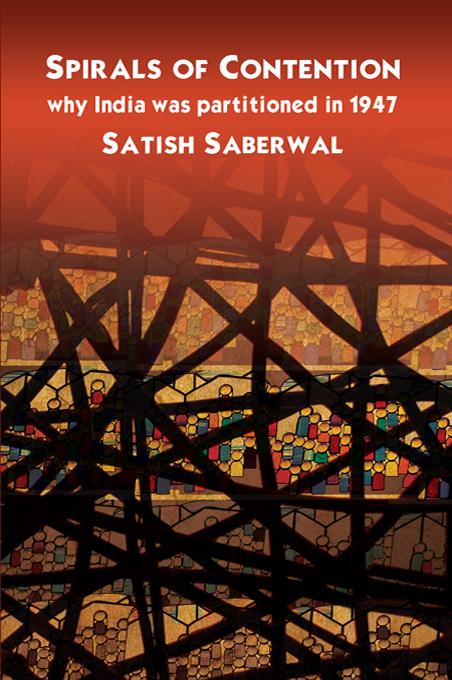
This study examines the social and psychological processes that led to the Partition of the Indian subcontinent in 1947. It recognizes the long-term continuities in the idiom of conflict (as well as cooperation), and shows that, by 1900, the conflicts and animosities were gathering a self-aggravating momentum. The book moves back and forth between evidence and general, or theoretical, understanding.
Separateness between Hindus and Muslims grew reciprocally, with hardening religious identities and the growing frequency of incidents of conflict. These skirmishes had several dimensions: symbolic (desecrating places of worship), societal (conversions), and physical (violence against women). As mutual trust declined, a quarter century of negotiations under diverse auspices failed to yield an agreement, and even the framework of the Partition in 1947 was imposed by the colonial rulers.
A theoretically informed study, this book takes a comparative stance along several axes. Recognizing long-term continuities in the idiom of conflict (as well as of cooperation), it will be of interest to students of conflicts, Partitions, history, sociology, and South Asian studies.
Zahle einfach mit Karte, Klarna, Apple Pay oder Google Pay. Nicht zufrieden? Du hast immer ein 14-tägiges Widerrufsrecht. Lies mehr in unseren AGB. Hast du Fragen, schreib uns eine E-Mail an hello@memmo.org.
Memmo macht das Lernen einfacher – wo auch immer du bist. Bei uns findest du deine Kursbücher und smarte Lerntools an einem Ort: Zusammenfassungen, Quizzes, Podcasts und Lernkarten. Und Ted, dein Lernbuddy, beantwortet alles, was du wissen möchtest. Über 50.000 Studierende lernen bereits hier – gemacht, damit du schneller lernst und weniger Stress hast.